
Dental Floss and Interdental Cleaning: Reaching Where the Brush Cannot

Summary
General information on cleaning the areas a toothbrush cannot reach, correct flossing technique, common mistakes, and the use of interdental brushes and water flossers.
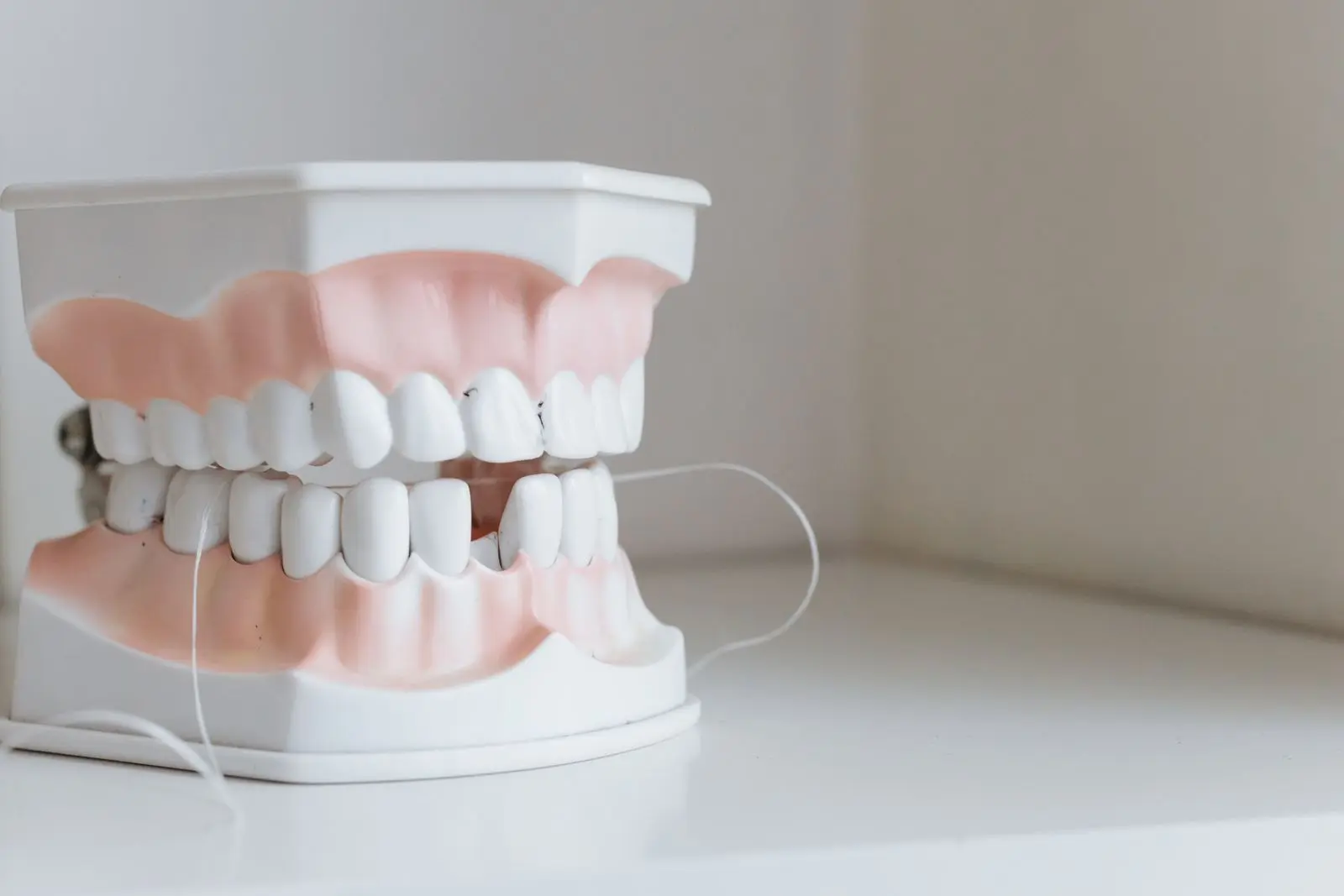
Tooth brushing forms the foundation of daily oral care; however, the bristles of a toothbrush often cannot fully reach the narrow areas where neighboring teeth meet. Because plaque accumulating in these interdental areas can set the stage for both tooth decay and gum problems, interdental cleaning with dental floss and similar tools is regarded as a complementary part of oral care.
Uzm. Dt. Emre Karakaya works on gum health and oral hygiene practices within the scope of periodontology. The headings below are prepared for general information; the methods and tools suitable for an individual are determined through examination, and this content is not a substitute for a personal examination.
Why the Interdental Area Matters
Although a toothbrush is effective in cleaning the front, back and chewing surfaces of the teeth, its bristles often cannot enter the narrow spaces where teeth touch each other. Dental plaque — a sticky layer formed by bacteria and food debris — can build up in these areas; and since the interdental spaces also benefit only to a limited extent from the natural cleansing effect of saliva, plaque holds on more easily here. In areas that remain uncleaned for a long time, interdental caries may develop on the adjacent tooth surfaces, and these are not always noticeable from the outside.
Plaque remaining between the teeth matters not only for tooth decay but also for gum health. Over time, plaque can mineralize and turn into calculus; because these deposits cannot be removed with home care, professional procedures such as dental scaling may come into consideration. Bleeding noticed during brushing or flossing can be one of the signs of ongoing plaque accumulation between the teeth; this topic is discussed in detail in the article on the causes of gum bleeding. The cause and course of such signs vary from person to person.
Correct Flossing Technique Step by Step
When using dental floss, a piece of about 40-45 cm is usually cut and most of it is wrapped around the middle fingers of both hands, leaving a taut section of 3-4 cm between the thumbs and index fingers. The floss is passed gently through the contact point with light back-and-forth movements; it is then wrapped around the tooth surface in a 'C' shape, lowered into the gum groove without forcing, and the surface is cleaned with up-and-down movements. The process is repeated separately for the two tooth surfaces facing the same space, and a clean section of the floss is used for each area.
Common mistakes include rubbing the floss back and forth with a harsh sawing motion and applying sudden pressure to the gum while passing through the contact point; such movements can irritate the gum tissue. Flossing does not replace brushing; the two methods complement each other, and the details of brushing are explained in the article on proper tooth brushing techniques. Those who are new to flossing may notice mild tenderness or bleeding in the first days; if the bleeding continues, it is appropriate to consult the dentist.
Interdental Brushes, Water Flossers and Choosing Between Them
Interdental brushes are small-headed brushes that may be preferred in wide interdental spaces where floss may not be sufficient, in areas with gum recession, under bridge pontics and around implants. Since they are produced in different thicknesses, a size that enters the space without forcing and still contacts the surfaces should be chosen; the appropriate size can be determined with the dentist's recommendation during an examination. Because orthodontic appliances such as brackets and wires can make it difficult to pass conventional floss, interdental brushes or special flosses that can be threaded under the appliance may come into consideration in this situation.
Water flossers (oral irrigators) are devices that can help remove loose debris from between the teeth with a pressurized stream of water; they can be a complementary option for those undergoing orthodontic treatment, people with limited manual dexterity, or those who find conventional floss difficult. Nevertheless, no single tool meets every need on its own; which tool to use and how often depends on the structure of the mouth, the alignment of the teeth and the condition of the gums. Outcomes and suitable methods vary from person to person; this content is for general information and is not a substitute for examination — consult your dentist about the interdental cleaning tools suitable for you.
This content is for informational purposes only and does not replace an examination by a dentist. The process and results vary from person to person.
Write to us with your questions
You can get in touch via WhatsApp, phone or email for information about treatments and the process.