Skip to content
Uzm. Dt. Emre Karakaya — Periodontoloji & İmplant Cerrahisi

Impacted Wisdom Tooth Extraction

Surgical extraction and process information for impacted wisdom teeth.

Impacted Wisdom Tooth Extraction

Impacted or partially impacted wisdom teeth (third molars) may cause various complaints when they cannot fully erupt through the jawbone or gum tissue. Surgically removing these teeth is a commonly performed procedure aimed at protecting oral and dental health.

As a periodontology specialist, Uzm. Dt. Emre Karakaya plans impacted wisdom tooth extraction after an examination and imaging. Every case is unique; the method and process to be applied are evaluated on an individual basis. Please consult your dentist for definitive information.

What Are Impacted Wisdom Teeth?

Wisdom teeth are the third molars, the last teeth to erupt in the mouth, and they usually appear later in life. When there is not enough room in the jawbone, or when the tooth's eruption direction is unfavourable, the tooth may remain partially or fully impacted within the bone or gum tissue.

In partially impacted teeth, part of the gum continues to cover the tooth, while fully impacted teeth may not be visible in the mouth at all. This requires different assessments depending on the tooth's position and its relationship with neighbouring structures.

Why Can Impacted Teeth Cause Problems?

Bacteria can accumulate beneath the gum around partially impacted teeth, and an inflammatory condition called pericoronitis may develop. This can lead to complaints such as pain, swelling and difficulty opening the mouth.

Over time, impacted teeth may press on the neighbouring tooth and contribute to decay or gum problems; in some cases, a cyst may form around the tooth. For this reason, it is important that impacted teeth are regularly evaluated by a dentist.

Imaging and Planning

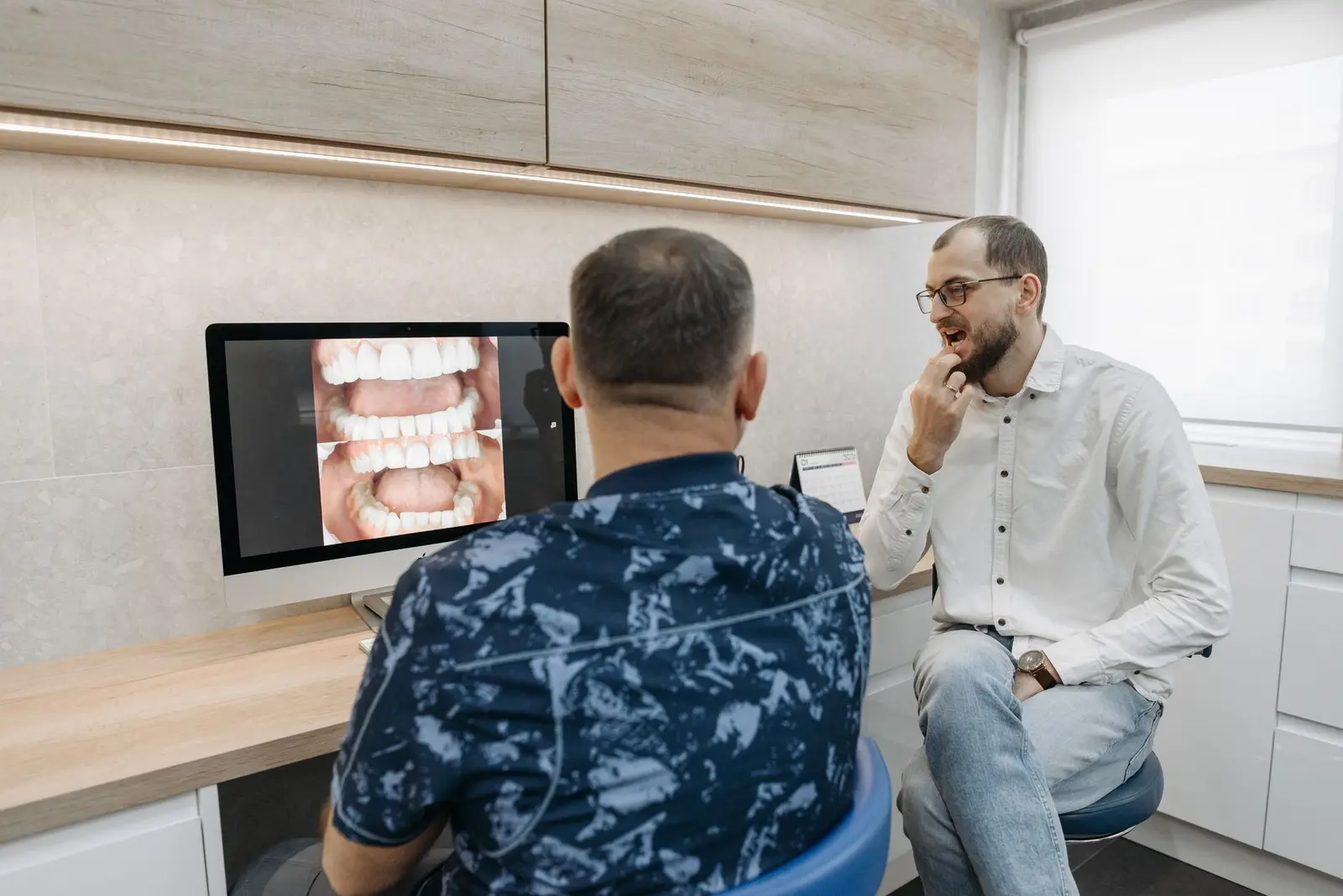
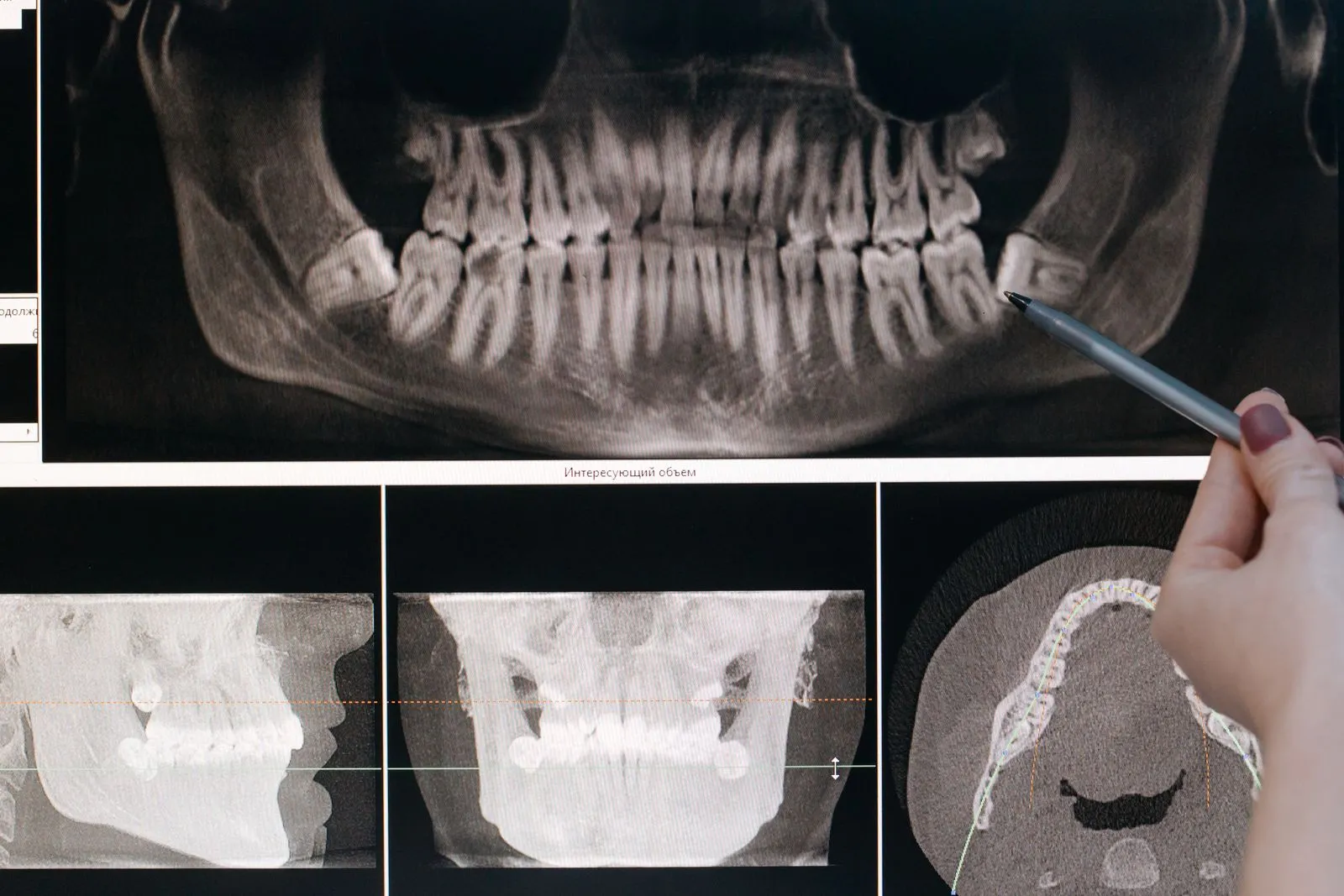
Before an impacted wisdom tooth extraction, a panoramic X-ray is used to evaluate the tooth's position, its roots and its relationship with neighbouring anatomical structures (such as the nerve canal or sinus cavity). In cases where it is considered necessary, three-dimensional imaging (CBCT) may be used for a more detailed assessment.

This evaluation helps the procedure to be planned individually. The method to be applied is determined according to the condition of the tooth and the general health history. An examination is required for definitive information.

Treatment Stages

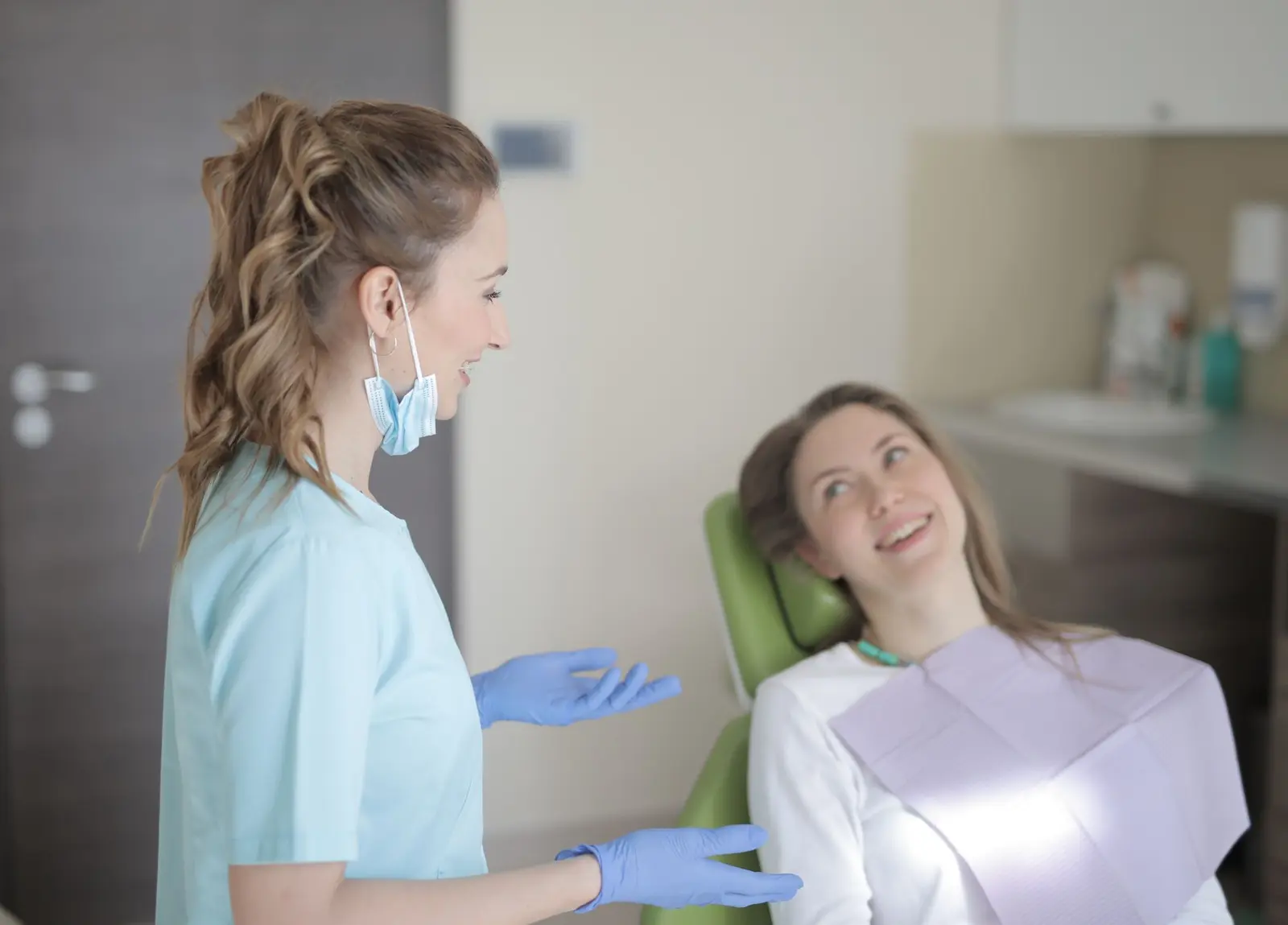
1) Examination and Imaging: The condition of the tooth is assessed with an intraoral examination and the necessary X-ray/imaging. 2) Surgical Planning: The extraction method and process are planned according to the tooth's position. 3) Local Anaesthesia: The treatment area is numbed with local anaesthesia, with the aim of increasing comfort during the procedure.

4) Surgical Extraction: The tooth is removed in line with the plan, and sutures may be placed in the area when needed. 5) Healing and Follow-up: Aftercare recommendations are shared and the healing process is monitored with follow-up appointments. Each stage may vary according to the case.

Healing and Follow-up After Extraction

In the first few days after extraction, mild swelling, tenderness or a feeling of discomfort may be seen; these can be part of the healing process. Following the aftercare instructions recommended by your dentist may help the process to be more comfortable.

The healing time varies from person to person and according to the characteristics of the case. If an unexpected complaint occurs, it is advisable to consult your dentist; follow-up appointments are important for monitoring healing.

Frequently Asked Questions

No. Not every impacted wisdom tooth needs to be removed. The decision is made by the dentist based on the tooth's position, its effect on the surrounding tissues and the examination findings. An examination is required for definitive information.

The extraction is carried out under local anaesthesia; because the area is numbed, the aim is to increase comfort during the procedure. Your dentist will provide the necessary recommendations for any tenderness that may occur afterwards.

The healing time varies from person to person and according to the characteristics of the case. Complaints that are more noticeable in the first few days may ease over time. It is not possible to give an exact duration; your dentist can provide information specific to you.

Soft and lukewarm foods are generally preferred in the first few days; it may be advisable to avoid very hot, hard or potentially irritating foods. Detailed aftercare instructions are shared with you individually by your dentist.

Mild pain and tenderness after the procedure can be a natural part of tissue healing. The intensity and duration of pain vary from person to person. If you experience an unusual or increasing complaint, it is advisable to consult your dentist.

This is evaluated according to the condition of the teeth, the scope of the procedure and the general health history. While it may be suitable in some cases, separate sessions may be preferred in others. Appropriate planning is determined after an examination.

This content is for informational purposes only and does not replace a physician examination. The process and results vary from person to person.

Share

Related Posts

View All