

Skip to content
Uzm. Dt. Emre Karakaya — Periodontoloji & İmplant Cerrahisi

Gum Treatment

Healthy gums are the foundation of healthy teeth.

Gum Treatment

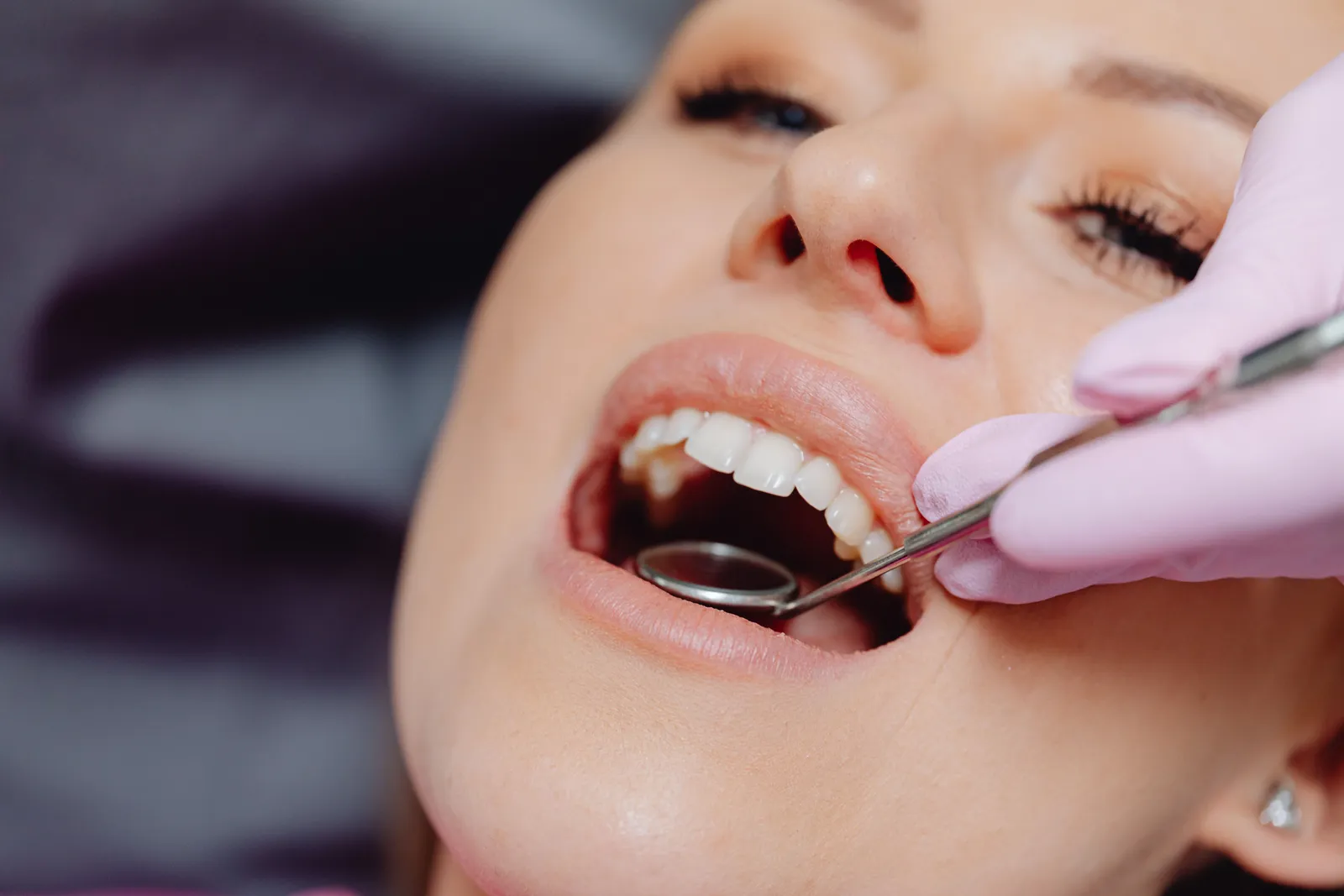
Gum treatment (periodontal treatment) is the field concerned with inflammatory diseases of the gums and the supporting tissues around the teeth. Signs such as bleeding gums, redness, gum recession and bad breath can often point to an underlying gum problem.

As a periodontology specialist, Uzm. Dt. Emre Karakaya evaluates gum diseases at his clinic in Denizli/Merkezefendi while considering the patient's overall oral health. The aim is to create a personalized treatment plan that helps protect the health of the gums and the tissues that hold the teeth in place.

Causes of gum disease

The main cause of gum disease is the bacterial plaque that accumulates on the tooth surface. Plaque that is not cleaned regularly and effectively hardens over time into tartar (calculus); this build-up can trigger an inflammatory response at the gum line. Inadequate oral hygiene is one of the most decisive factors in this process.

Beyond plaque and tartar, smoking, certain systemic conditions (such as diabetes), hormonal changes, some medications and genetic predisposition can also affect the course of gum disease. The presence of these factors varies from person to person, and the treatment plan is determined after examination.

Gingivitis and periodontitis: the difference

Gum diseases are generally addressed in two stages. Gingivitis is the early period in which inflammation is limited to the gum; bleeding and redness may be seen, but the bone surrounding the tooth is not yet affected. This stage is a reversible condition that can be brought under control with appropriate treatment and regular care.

In periodontitis, which arises as inflammation progresses, the bone and supporting tissues that hold the tooth begin to be affected along with the gum. At this stage, gum recession, loosening of the teeth and loss of support may be seen. Early diagnosis is important so that the process can be assessed before it advances to this stage.

Non-surgical periodontal treatment

The foundation of gum treatment is often formed by non-surgical methods. Dental scaling (detartrage) aims to remove the plaque and tartar that build up on the tooth surface and at the gum line. In more advanced situations, root surface planing (curettage), in which tartar and inflamed tissue on the root surface are cleaned and the surface is smoothed, may be applied.

These procedures aim to reduce the inflammatory environment between the gum and the tooth root, creating a suitable basis for the gum to heal. Local anesthesia may be used when needed to reduce discomfort during the procedure. Results vary from person to person; consult your physician for accurate information.

Treatment Stages

Periodontal treatment is generally planned in defined stages. In the first stage, the condition of the gums and supporting tissues is assessed through examination and, when needed, measurements and radiographs. This is followed by the non-surgical stage, in which scaling and, where necessary, root surface planing are carried out; oral hygiene habits are also reviewed during this period.

After a certain healing period, the tissues are re-evaluated. Where inflammation persists or deep pockets remain, surgical periodontal treatments may come into consideration. Once treatment is complete, a regular maintenance (periodontal care) program is recommended to preserve the health that has been achieved. The scope and duration of the stages vary by case.

Gum health, aesthetics and regular care

Healthy gums form a fundamental basis both for the long-term health of the teeth and for the aesthetics of the smile. The color and contour of the gum and the way it frames the teeth affect the overall appearance of oral health. Bringing gum disease under control can contribute to protecting the supporting tissues of the teeth.

Sustaining the effect of periodontal treatment largely depends on post-treatment care. Daily oral hygiene, regular check-ups and professional cleaning at the recommended intervals help maintain gum health. The content of the care program is determined according to the person's condition.

Frequently Asked Questions

Local anesthesia can be applied when needed to reduce discomfort during the procedures, so most patients complete them comfortably. Mild sensitivity may be seen after treatment and usually subsides in a short time. The perception of pain varies from person to person.

Receded gum tissue does not return to its former state on its own. The primary aim of treatment is to bring the inflammation causing the recession under control and to stop the process from progressing. In certain suitable cases, surgical methods for gum recession may be considered; suitability is determined by examination.

The number of sessions varies according to how widespread and severe the gum disease is. In limited cases treatment may be completed in a few sessions, while in widespread cases the mouth may be divided into regions and more than one session planned. The exact plan is made after examination.

The most common signs include bleeding while brushing, redness and swelling of the gums, gum recession and bad breath. In more advanced situations, sensitivity or loosening of the teeth may be seen. When these signs are present, an examination by a physician is recommended.

After treatment, regular and effective oral hygiene plays an important role in maintaining gum health. Following the brushing and interdental cleaning methods your physician recommends, along with the advised check-up and professional cleaning intervals, helps sustain the result. Recommendations vary from person to person.

Untreated gum disease can progress and lead to loss in the bone and supporting tissues that hold the tooth; in advanced stages the risk of tooth loss can increase. Assessing the process at an early stage is important for protecting the supporting tissues. Consult your physician for accurate information.

This content is for informational purposes only and does not replace a physician examination. The process and results vary from person to person.

Share

Related Posts

View All