
Vaping, E-Cigarettes and Gum Health

Summary
The effects of vaping on gum health are still being researched and long-term data remain limited. Nicotine can narrow small blood vessels and may mask gum bleeding; less bleeding should not be read as a sign of health. The effects of the aerosol and flavorings on the oral environment are also being studied, and a feeling of dry mouth may occur. Effects vary from person to person; assessment requires an examination, and telling your dentist about e-cigarette use is recommended.
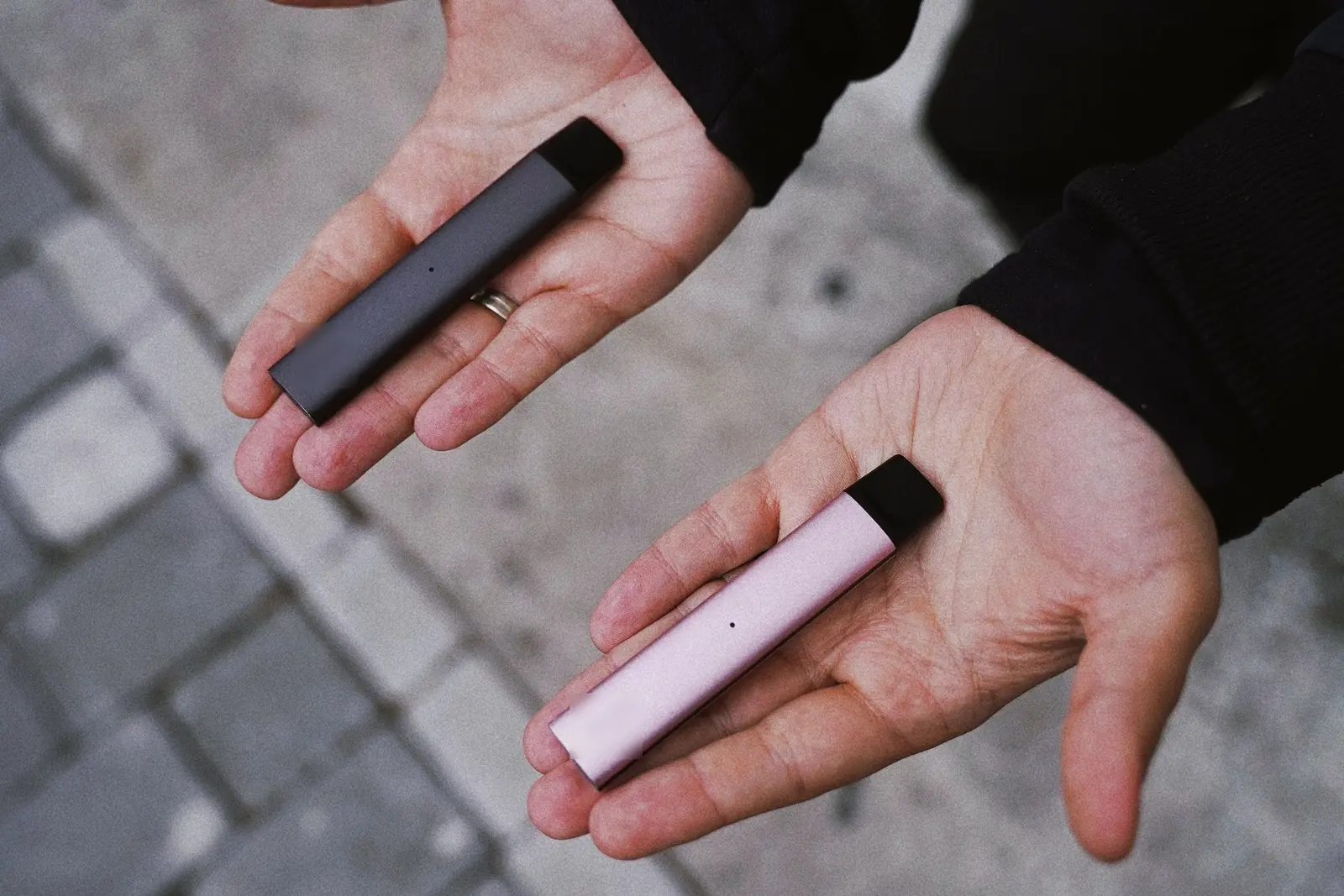
Electronic cigarettes (vapes) and heated tobacco products have become part of daily life for a growing number of people. While their effects on general health are being studied across many fields, their possible impact on the mouth and gums has also become a subject of dental research. Because the gums are among the tissues in direct contact with both nicotine and the inhaled aerosol, the effects of these products on gum tissue are being examined as a question in its own right; for now, long-term data remain limited.
This article outlines the masking effect nicotine can have on gum bleeding, the possible effects of aerosol and flavorings on the oral environment, dry mouth and the protective role of saliva, and why e-cigarette use should be shared with your dentist at an examination. The content is for information purposes; an individual assessment can only be made through an examination.
Nicotine and the Gums: How Bleeding Can Be Masked
A large proportion of e-cigarette liquids contain nicotine, a substance that can have a narrowing effect on small blood vessels. When blood flow in the gum tissue is affected in this way, bleeding — one of the earliest signs of gum inflammation — may appear milder than it actually is. In other words, an inflammatory process may be continuing in the gums while the bleeding that would normally draw attention to it is suppressed by nicotine's effect on the vessels. This is discussed as a factor that may delay noticing the problem and seeing a dentist.
The practical meaning of this picture is that little gum bleeding in someone who vapes, or a decrease in bleeding after switching to e-cigarettes, does not by itself mean the gums are healthy. A similar masking effect is discussed for other nicotine-containing tobacco products as well; the effects of smoking on gum health are covered in a separate article. A decrease in bleeding should not be interpreted as a sign of improvement; gum health should be assessed through an examination rather than by visible signs alone. The picture varies from person to person.
Aerosol, Flavorings and the Oral Environment
In an e-cigarette, tobacco is not burned; the liquid inside the device is heated into an aerosol that is inhaled through the mouth. The carrier liquids and the sweetener and flavoring components of this aerosol come into direct contact with the oral tissues and with saliva. Their effects on the oral mucosa, the gum tissue and the balance of microorganisms known as the oral flora are among today's active research topics. Findings from laboratory studies and short-term clinical observations raise some questions, but long-term user data are still limited and no definite conclusions have been reached.
E-cigarettes are sometimes perceived as a "harmless" option. From the standpoint of gum health, however, such a conclusion cannot be drawn from the available data; the long-term effects of these products on the oral environment are not yet known in full. Research is ongoing and the findings are limited, which makes a cautious approach that avoids firm statements in either direction appropriate. It should also be kept in mind that any effects may vary from person to person and can only be evaluated individually through an examination.
Dry Mouth and the Role of Saliva
Some people who vape describe a feeling of dryness in the mouth. Saliva washes the mouth and helps clear food debris, plays a part in buffering acids, and contributes to maintaining the balance of microorganisms in the mouth through the components it contains. When salivary flow decreases, or feels decreased, these protective functions may weaken. The possible causes of dry mouth, its signs and points to consider in daily life are discussed in detail in the article on dry mouth (xerostomia).
In an environment where saliva's protective effect is reduced, bacterial plaque may accumulate more easily at the gum line, and this may create an unfavorable basis with regard to gum inflammation. That said, studies on the nature of the relationship between vaping and dry mouth, and on how this is reflected in gum health, are still under way; no definite cause-and-effect relationship has been established. Mentioning a feeling of dryness during an examination allows it to be taken into account in the assessment; the cause and significance of dryness may vary from person to person.
Why Your Dentist Should Know
Once gum health has been assessed at the examination, options such as dental scaling or, where inflammation has advanced, periodontal treatment may come onto the agenda; which approach is appropriate is determined through an examination according to the individual situation. Because symptoms can be masked, regular check-ups help a possible inflammatory process to be noticed at an early stage. Guidance on starting or stopping e-cigarette use is beyond the scope of this article; consult your dentist with any questions on the subject.
Bleeding is one of the most important early signs of gum disease, and because nicotine can suppress this sign, the condition of the gums may look milder than it is in someone who vapes. For this reason, it matters that the dentist is aware of e-cigarette or heated tobacco use during an examination, both for interpreting the findings correctly and for planning the intervals between check-ups. Information that may be useful to share includes the following:
- Use of e-cigarettes or heated tobacco products, and roughly how long they have been used
- How often they are used and whether the liquid contains nicotine
- Whether cigarettes or other tobacco products are used alongside them
- Dry mouth, bleeding or any other changes noticed in the gums
Overall
The relationship between e-cigarettes and gum health is one of the current topics of dental research. What can be said today is limited: nicotine's effect on the blood vessels may mask gum bleeding, the effects of aerosol and flavorings on the oral environment are being investigated, and a feeling of dry mouth may be seen in some users. Because long-term data are limited, no definite cause-and-effect relationship has been established; nor can it be concluded from the available data that these products are "harmless" to the gums.
A decrease in bleeding is not always a sign of health; in people who vape, it may make an inflammation that continues underneath less visible. Gum health can only be assessed reliably through an examination, and possible effects vary from person to person. This content has been prepared for general information purposes and does not replace an individual assessment; consult your dentist with any questions about your gum health.
Questions About This Article
Not on its own. Nicotine can narrow small blood vessels and make bleeding appear reduced, so an ongoing inflammation may be masked. A decrease in bleeding should not be read as a sign of health; the state of the gums is assessed through an examination. The picture varies from person to person; consult your dentist.
There is no definite answer to this question today. The effects of the aerosol and of nicotine on the oral environment are being researched; long-term data are limited and no definite cause-and-effect relationship has been established. Nor can a conclusion of "harmless" be drawn from the available data. Your gum health is evaluated through an examination.
Yes, that would be appropriate. Because nicotine can suppress signs such as bleeding, this information is taken into account when interpreting findings and planning treatment. Sharing details such as how often and how long you have vaped supports the assessment; individual recommendations are made by your dentist after an examination.
This content is for informational purposes only and does not replace an examination by a dentist. The process and results vary from person to person.
Write to us with your questions
You can get in touch via WhatsApp, phone or email for information about treatments and the process.