
Digital Planning and Guided Surgery in Implant Treatment
What do digital planning and guided surgery mean in implant treatment? A general guide to three-dimensional imaging, virtual planning and surgical guides.
Read MoreA fixed, natural-looking treatment option for missing teeth
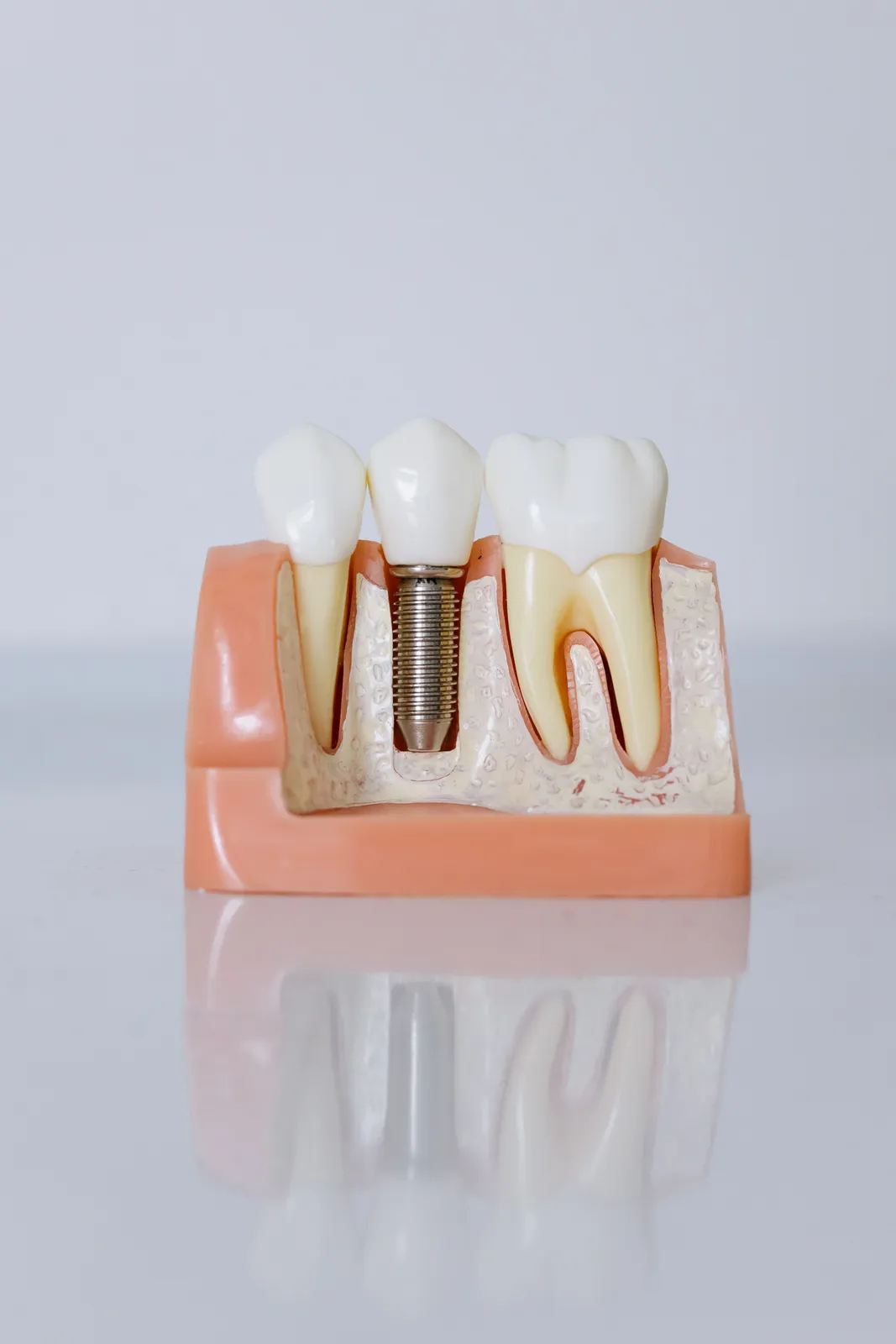
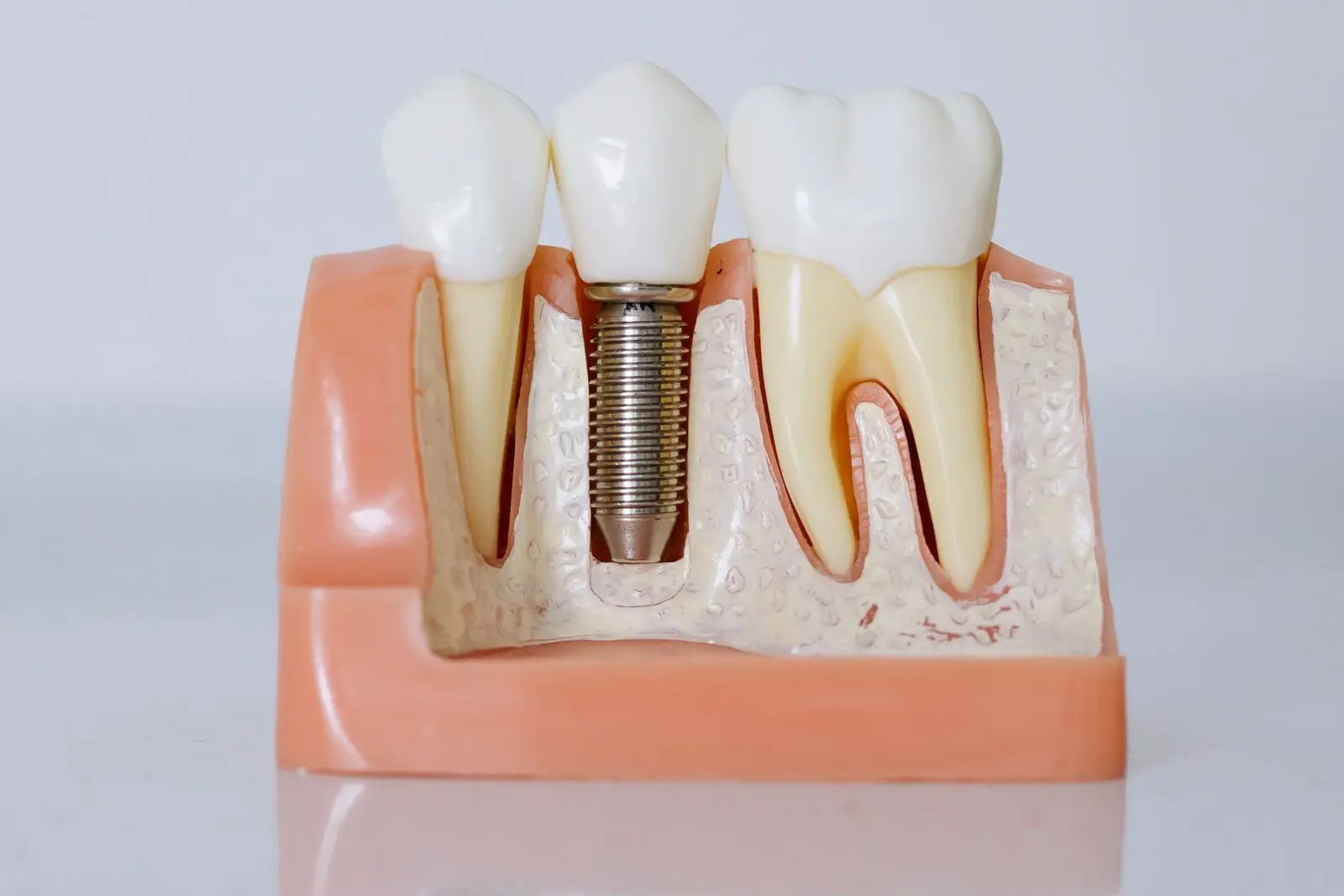
A dental implant is a titanium-based, biocompatible screw placed in the jawbone to replace the root of a lost tooth. With the crown or prosthesis fitted on top, it offers a solution close to a natural tooth in both chewing function and appearance. It can be planned for situations ranging from a single missing tooth to several missing teeth, without touching the neighbouring teeth.
The foundation of a sound implant process is correct planning. The structure of the jawbone is assessed through a detailed clinical examination and radiological imaging; additional procedures may be planned where bone is insufficient. With a periodontology approach, the health of the gum and supporting tissues around the implant is considered at every stage.
A dental implant is a titanium-based screw that mimics the root of the missing tooth and is placed in the jawbone. During a process called osseointegration, it fuses with the bone to form a solid foundation; a fixed or removable prosthesis can then be placed on this foundation.
The crown or prosthesis fitted on the implant aims for a result close to a natural tooth in terms of appearance and chewing function. The method to be used is determined individually, according to the number of missing teeth, the condition of the jawbone and overall oral health.
One of the most important stages that shapes the outcome in implant treatment is planning. Alongside the clinical examination, the height, width and density of the jawbone are evaluated using radiological imaging such as a panoramic film or three-dimensional tomography (CBCT).
Where the amount of bone is not sufficient, additional support procedures may come into consideration. In addition, the periodontal health of the gum and surrounding tissues is carefully addressed during planning because of its bearing on the long-term condition of the implant. The definitive plan is formed after examination and imaging.
Implant treatment is carried out as a transparent, staged process. It generally consists of five stages; the duration of each stage may vary according to the person's oral and bone structure.
Implant surgery can be planned for a range of situations, from a single missing tooth to multiple missing teeth. Fixed prostheses can be placed on implants, and in cases of several missing teeth, implant-supported removable prostheses may also be an option.
A separate plan is made for situations where the jawbone is insufficient. In suitable cases, digital surgical planning can help determine the implant position in advance. The periodontal care of the gum and tissues around the implant is an integral part of the process.
When no teeth remain in a jaw, a fixed superstructure supported by several implants and not removed by the patient can be planned. The number of implants needed is decided by assessing the condition of the jaw, bone volume, the planned superstructure design and the opposing jaw together.
In the upper jaw, leaving the palate open may be considered depending on the design. In such designs, keeping the superstructure cleanable and accessible between units is part of the planning from the outset; the process and care routine are determined after an examination.
After the implant is placed, the osseointegration period begins. During this period, following the dietary and oral care instructions recommended by your dentist, avoiding smoking and attending check-up appointments support healing.
The long-term condition of implants largely depends on the health of the surrounding gum. Regular periodontal care and correct oral hygiene help protect the tissues around the implant. Inflammatory conditions that can develop in the tissues around the implant (peri-implantitis) are monitored through regular check-ups. The healing process and outcomes vary from person to person; consult your dentist for accurate information.
A short informational overview of the stages and process of dental implant treatment. For information only; an individual assessment is made through examination.
Implant treatment consists of preliminary examination and imaging, surgical planning, placement of the implant screw in the jawbone, the healing (osseointegration) period, and finally the prosthesis or crown application. The total process varies according to the person's bone structure.
The total duration, including the healing period, varies according to the person's bone structure and any additional procedures that may be required. Osseointegration usually takes a few months. The exact timeline is planned after examination and imaging.
No general lifespan can be given for an implant; it varies from person to person. Regular care, check-ups and the periodontal health around the implant are decisive in how well it maintains its function.
It can be applied to most adults whose general health and jawbone structure are suitable. Preparatory procedures may be required in some cases. Suitability is determined after examination and radiological imaging.
In the first days, following the dietary and oral care instructions recommended by your dentist, avoiding smoking and attending check-up appointments positively affect the healing process. Healing varies from person to person.
Untreated tooth loss can cause the neighbouring teeth to shift, lead to chewing problems and, over time, resorption of the jawbone. For this reason, it is important to have the situation evaluated.
This content is for informational purposes only and does not replace an examination by a dentist. The process and results vary from person to person.
Planning this treatment as a visitor to Turkey? The visit planner sets out how many days in Denizli it typically needs.
What do digital planning and guided surgery mean in implant treatment? A general guide to three-dimensional imaging, virtual planning and surgical guides.
Read More
A guide covering every stage of dental implant treatment: assessment and imaging, solutions for bone deficiency, the surgical process, the prosthetic period and long-term care.
Read More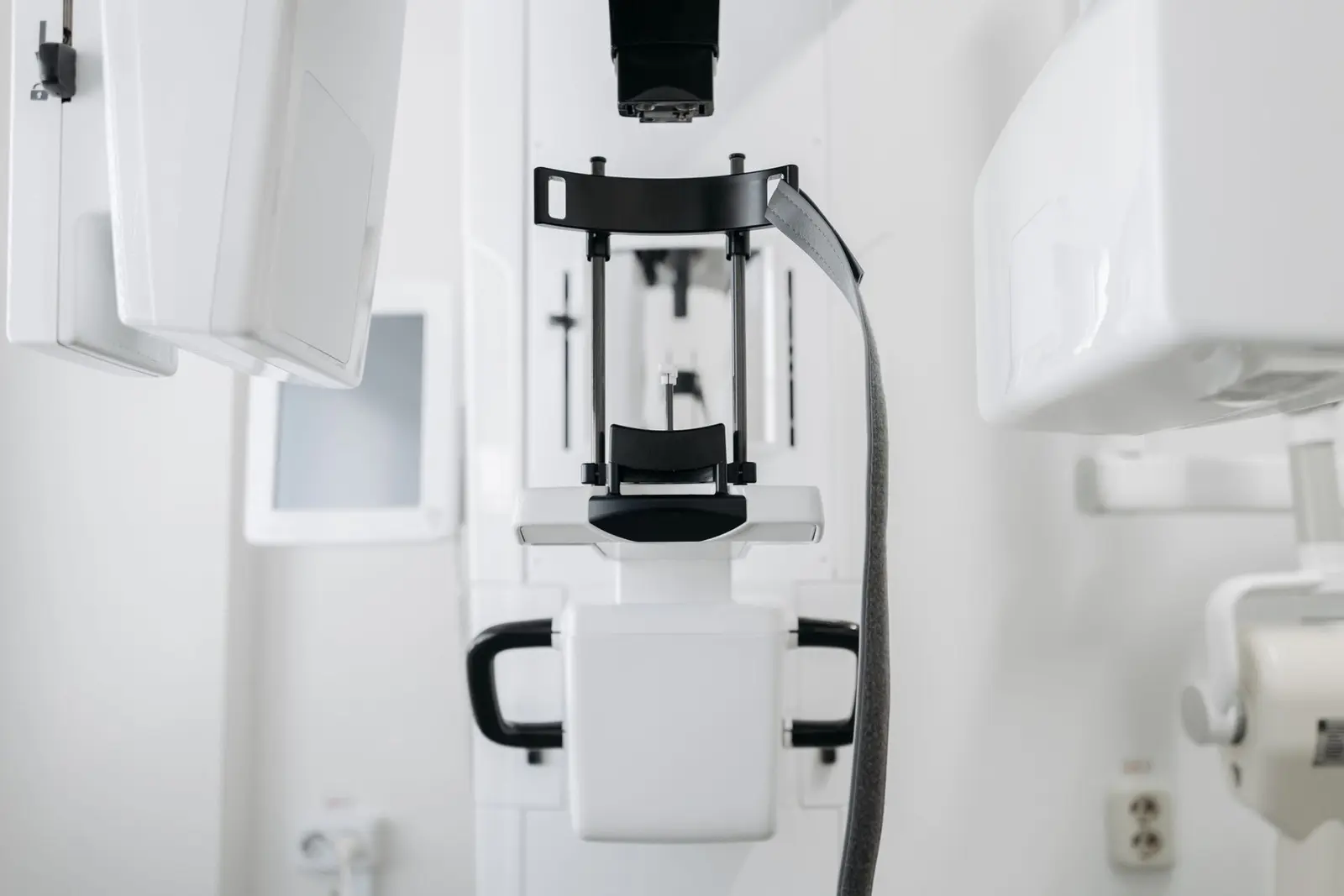
What do panoramic X-rays and cone-beam computed tomography (CBCT) show, and in which situations are they considered? General information on their scope, differences and radiation dose.
Read More