
Peri-implantitis: Inflammatory Disease of the Tissues Around Implants

Summary
Peri-implantitis is a disease in which inflammation of the tissues around a dental implant progresses to loss of the supporting bone; the earlier stage without bone loss is called peri-implant mucositis. It can often advance without noticeable pain; bleeding, redness and increased probing depth are among the main signs. The distinction is made through clinical and radiographic evaluation; the course varies from person to person, so consult your dentist.
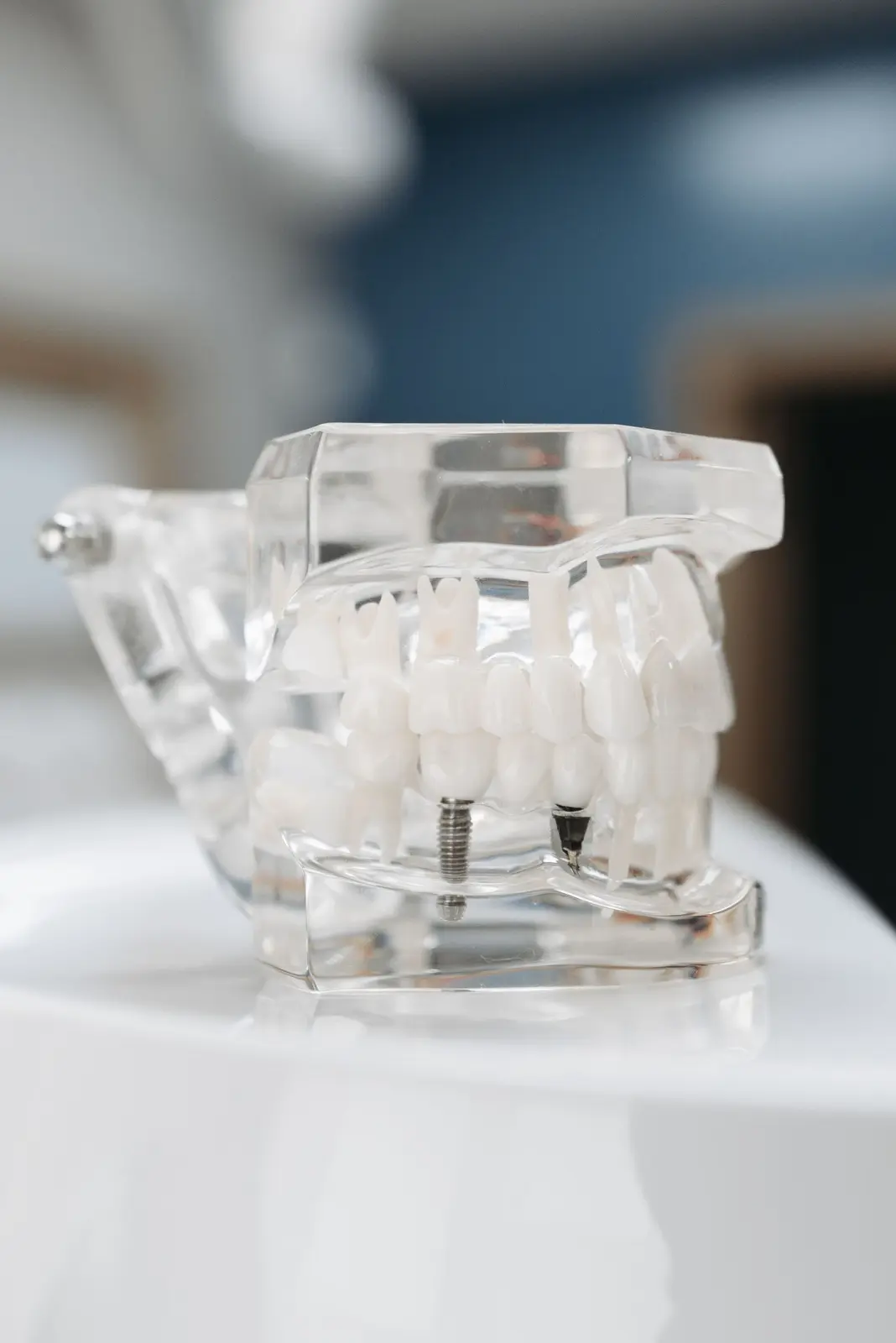
Dental implants are evaluated together with the gum and bone tissues that surround them, just like natural teeth. Inflammatory conditions developing in these tissues are considered on a spectrum that ranges from the milder peri-implant mucositis to peri-implantitis, which progresses with bone loss. Peri-implant tissue health forms the implant-related side of the specialty of periodontology.
Uzm. Dt. Emre Karakaya works on the health of the tissues around implants and the evaluation of inflammatory conditions that may develop in these tissues within the scope of periodontology. This article has been prepared for general information only; diagnosis and treatment decisions are determined through examination, and the content is not a substitute for a personal examination.
What Are Peri-implant Mucositis and Peri-implantitis?
Peri-implant mucositis is an inflammatory condition of the soft tissue surrounding an implant that may present with redness, mild swelling and bleeding on probing, without accompanying bone loss. Peri-implantitis describes the situation in which this condition progresses and leads to loss of the bone supporting the implant. The distinction between the two is made through clinical and radiographic evaluation.
These two conditions follow a logic similar to gingivitis and periodontitis around natural teeth: mucositis corresponds broadly to gingivitis, while peri-implantitis corresponds to periodontitis. However, since the structure of the tissues around an implant differs from that of a natural tooth, the rate and course of progression of the inflammation may vary. The placement of the implant and its relationship with the surrounding tissues are planned within the scope of implant surgery; monitoring the health of these tissues afterwards carries a separate importance.
Signs and Risk Factors
Around an implant, bleeding during brushing or spontaneously, redness and tenderness of the gum, an increase in probing depth and, in some cases, gum recession or discharge may be observed. Since peri-implantitis can often progress without noticeable pain, the condition may have advanced before the signs are recognized. The possible causes of bleeding around natural teeth are discussed in the article on the causes of bleeding gums; bleeding around an implant likewise requires evaluation.
Risk factors include plaque accumulation around the implant, smoking, a history of periodontitis, irregular check-ups and inadequate oral care. In addition, certain systemic conditions and factors related to the fit of the prosthesis may also contribute to the condition. Which factors come to the fore varies from person to person and is assessed during examination.
Evaluation, Management and the Importance of Early Recognition
In the evaluation, the tissues around the implant are examined with probing; bleeding, pocket depth and, when needed, the bone level are followed with radiographs. At an early stage, the condition can often be addressed with professional cleaning, a review of oral care habits and close follow-up; in advanced situations, further methods within the scope of gum treatment may come onto the agenda. Which approach is appropriate is determined according to the clinical and radiographic findings.
Early recognition is important so that inflammation around the implant can be addressed before it progresses to bone loss; for this reason, regular check-ups and daily cleaning habits come to the fore. General points on home care are covered in the article on dental implant aftercare. Outcomes and the course of the condition vary from person to person; this content is for general information — consult your dentist about your individual situation.
Questions About This Article
It can often progress without noticeable pain; bleeding on brushing, redness and an increase in probing depth around the implant are the more common findings. The absence of pain does not mean the condition is mild, which is why regular check-ups matter.
In mucositis the inflammation is limited to the soft tissue around the implant and there is no bone loss; in peri-implantitis, loss has developed in the bone supporting the implant. The distinction is made through clinical and radiographic examination.
Recurrent bleeding while brushing can be an early sign of inflammation in the tissues around the implant. It is appropriate to maintain your oral care and consult your dentist without delay; the assessment is made through examination.
This content is for informational purposes only and does not replace an examination by a dentist. The process and results vary from person to person.
Reading this while planning treatment in Turkey? See the Denizli visit planner and the dental tourism guides.
Write to us with your questions
You can get in touch via WhatsApp, phone or email for information about treatments and the process.