
Dental Implant Aftercare: What to Keep in Mind

Summary
Dental implant aftercare covers protecting the surgical site in the first days, gentle but regular oral hygiene during healing, and periodic dental check-ups in the long term. Following the dentist's instructions and cleaning with a soft toothbrush and recommended auxiliary tools support the health of the tissues around the implant. When to resume brushing and the frequency of check-ups vary from person to person and are determined through examination.
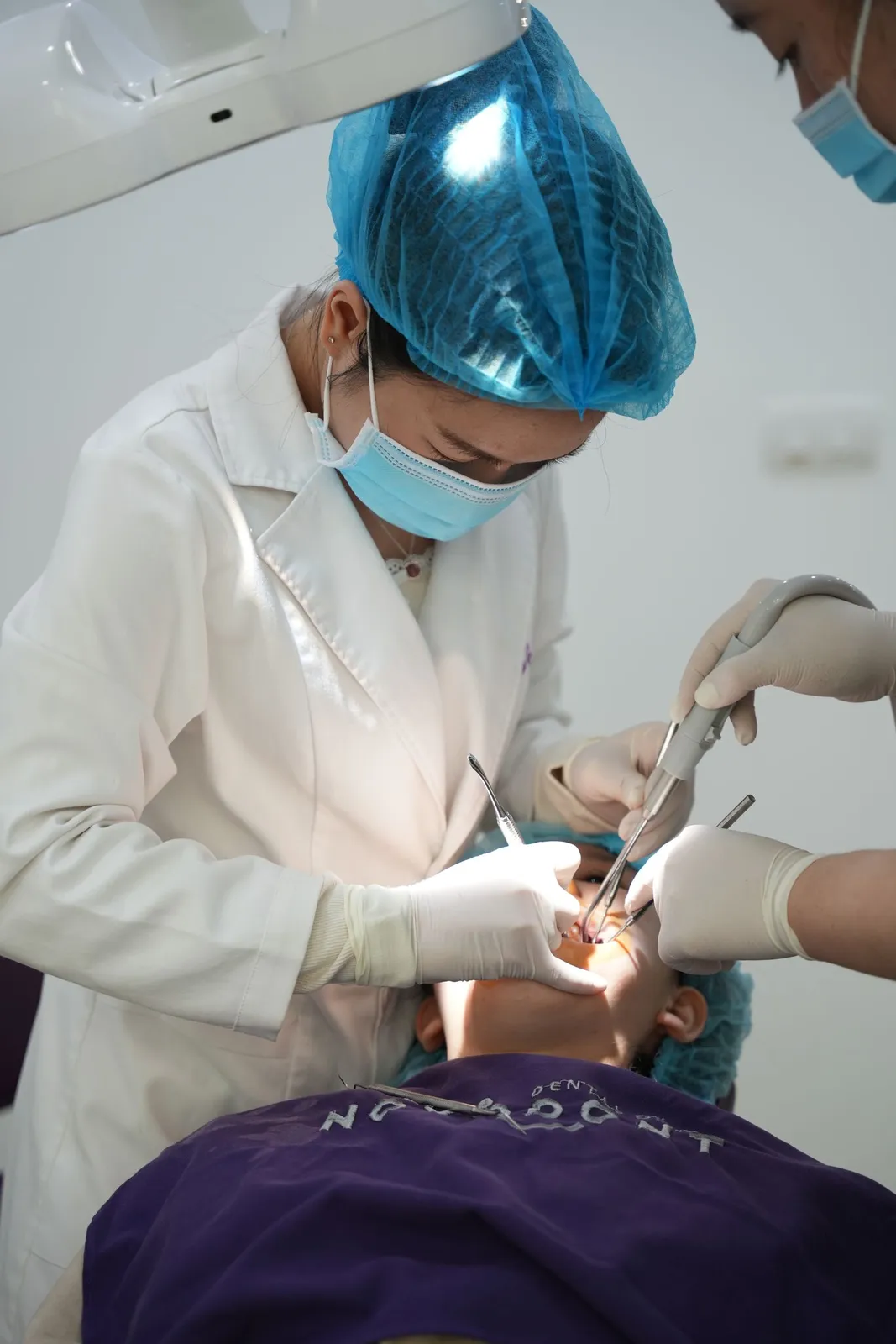
After a dental implant is placed, healthy healing depends both on protecting the surgical site and on maintaining regular oral care. Implant aftercare covers a period that extends from the points to watch in the first days to long-term check-ups, and it aims to support the implant remaining in harmony with the surrounding tissues.
Uzm. Dt. Emre Karakaya works on the evaluation of the tissues around implants and the follow-up of the healing process within the scope of periodontology and implant applications. The headings below are prepared for general information; individual recommendations are determined through examination, and this content is not a substitute for a personal examination.
What to Watch in the First Days
In the first days after the implant is placed, mild swelling, tenderness or a change in color may be seen at the surgical site; their course varies from person to person. During this period it is important to follow the dentist's instructions, to use the recommended medications regularly, and to follow the guidance on hot and cold applications. In the first hours after the procedure, avoiding pressure on the area as well as hard and very hot foods is generally recommended.
Because smoking and alcohol can adversely affect the healing process, limiting them during this period may be advised; the details vary from person to person. How the surgical site should be protected and what to keep in mind if sutures are present are explained by the dentist within the scope of implant surgery. In case of unexpectedly increasing pain or prolonged swelling, it is appropriate to consult the dentist.
Oral Hygiene During Healing
Maintaining oral hygiene during the healing period is important for keeping the tissues around the implant healthy; however, the surgical site should be treated gently in the first days. Continuing to brush with a soft toothbrush at the timing recommended by the dentist, and using antiseptic mouth rinses when advised, may be considered. The brushing technique and the time to begin are determined on an individual basis.
Auxiliary tools such as interdental brushes or special dental floss may be used for cleaning the implant area under the dentist's guidance. The healing period is one of the general stages of implant treatment, and the process as a whole is discussed in the article on the dental implant treatment process. How oral care should be carried out varies from person to person and is clarified through examination.
Peri-implant Tissue Health
The health of the gum and bone tissue surrounding the implant is one of the determining factors for the long-term course of the implant. Plaque accumulation and inadequate cleaning can lead to an inflammatory picture in the tissues around the implant (peri-implant mucositis; peri-implantitis in an advanced condition). Early recognition of such situations is closely related to regular check-ups.
Preserving gum health has a shared importance for both natural teeth and implants; when needed, evaluations within the scope of gum treatment may be included in the plan. When signs such as redness, bleeding or tenderness at the gum line are observed, it is appropriate to consult the dentist. The cause and course of these signs vary from person to person.
Long-term Care and Check-ups
The long-term health of implants is closely related to regular home care and periodic dental check-ups. Daily brushing, interdental cleaning and professional evaluations carried out at the recommended intervals help in monitoring the tissues around the implant. The frequency of check-ups is determined according to the person's oral health condition.
During check-ups, the tissues around the implant, the fit of the prosthesis and general oral hygiene may be evaluated; a radiographic examination may be performed when needed. Regular follow-up can contribute to addressing possible problems at an early stage. The healing process and outcomes vary from person to person; this content is for general information and is not a substitute for examination — consult your dentist for accurate information.
This content is for informational purposes only and does not replace an examination by a dentist. The process and results vary from person to person.
Reading this while planning treatment in Turkey? See the Denizli visit planner and the dental tourism guides.
Write to us with your questions
You can get in touch via WhatsApp, phone or email for information about treatments and the process.