
How Does the Dental Implant Treatment Process Work?

Summary
Dental implant treatment generally proceeds in four main stages: planning with an examination and radiographic assessment, surgical placement of the implant into the jawbone under local anesthesia, a healing period in which the implant fuses with the bone (osseointegration), and the prosthetic stage where the crown is prepared. Healing can often take several months; timing and planning vary from person to person, so consulting your dentist is recommended.
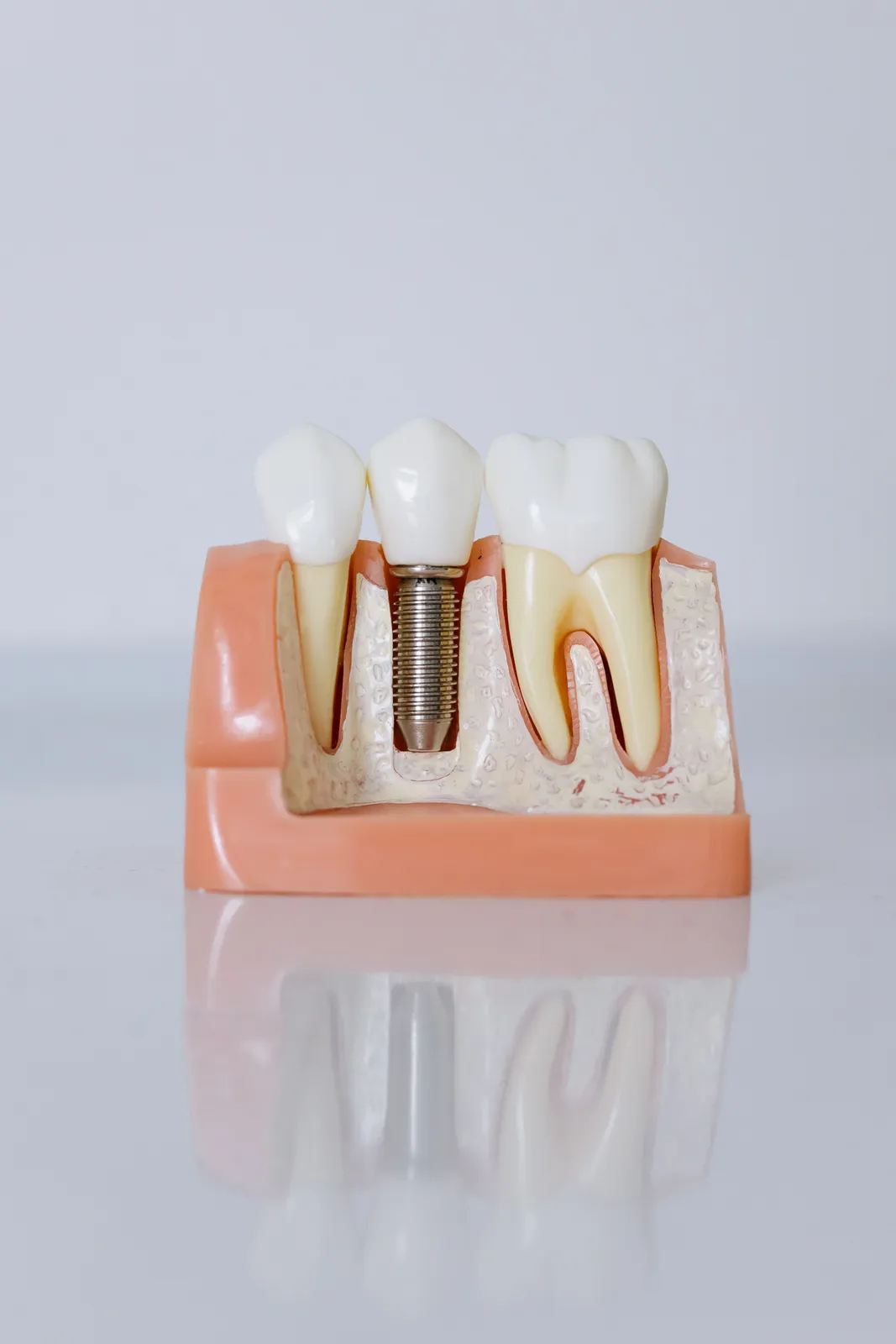
A dental implant is a small, usually titanium-based screw-shaped structure placed within the jawbone and intended to take on the function of a natural tooth root. Together with the prosthesis prepared on top of it, the aim is to restore the role of the missing tooth.
This article covers the general stages of implant treatment — assessment, surgical placement, healing and the prosthetic period — for informational purposes. The content is for general information only; an individual assessment is made through examination, and consulting your dentist for accurate information is recommended.
Assessment and Planning
Implant treatment begins with an intraoral examination and a radiographic evaluation. At this stage, the amount and density of the jawbone, the condition of the gums and neighboring anatomical structures are examined. A panoramic X-ray forms the first step, while cone-beam computed tomography (CBCT) may be used when the bone volume and structures such as the nerve canal and sinus cavity need to be seen in three dimensions.
Whether an implant is suitable, how many are needed and how the treatment will be planned vary from person to person; these details are determined only after examination. Because gum health matters for the long-term course of an implant, adjusting the periodontal (gum) condition first may be included in the plan when needed.
Surgical Placement and Healing
Placing the implant into the jawbone is a surgical procedure usually performed under local anesthesia. During the procedure, care is taken to protect the surrounding bone, gums and neighboring structures. After placement, a healing period is needed for the implant to fuse with the bone tissue.
This fusion process, called osseointegration, can generally take several months; its duration varies according to bone structure and individual healing characteristics. During this period it is important to follow the dentist's recommendations and oral hygiene instructions. The course of healing varies from person to person, and a definite duration cannot be guaranteed in advance.
The Prosthetic Stage and Care
Once healing is complete, the prosthesis (crown) that will form the visible part of the tooth is prepared and placed on the implant. At this stage an impression is taken and the restoration is planned to fit the person's oral structure. The number of sessions required and the details of the process differ from person to person.
The long-term health of implants is closely related to regular oral care and the preservation of gum health; therefore regular brushing, interdental cleaning and periodic check-ups are recommended. The healing process and outcomes vary from person to person. This content is for general information and is not a substitute for examination; consult your dentist for accurate information.
Questions About This Article
A definite timetable cannot be given in advance. The fusion of the implant with the bone (osseointegration) can generally take several months, and this varies with bone structure and individual healing characteristics. The number of prosthetic sessions also differs from person to person; consult your dentist for accurate information.
Placing the implant into the jawbone is a surgical procedure usually performed under local anesthesia. During the procedure, care is taken to protect the surrounding bone, gums and neighboring structures. Details may vary depending on the person and the plan; the suitable approach is determined through examination.
Assessment usually begins with a panoramic X-ray. When bone volume and structures such as the nerve canal or sinus cavity need to be seen in three dimensions, cone-beam computed tomography (CBCT) may be used. Which method is needed varies from person to person and is assessed by your dentist during examination.
Suitability varies from person to person; the amount and density of the jawbone, the condition of the gums and neighboring anatomical structures are evaluated together. Because gum health matters for the long-term course of an implant, adjusting the gum condition first may be included in the plan when needed. The decision is made through examination.
This content is for informational purposes only and does not replace an examination by a dentist. The process and results vary from person to person.
Reading this while planning treatment in Turkey? See the Denizli visit planner and the dental tourism guides.
Write to us with your questions
You can get in touch via WhatsApp, phone or email for information about treatments and the process.