
Digital Planning and Guided Surgery in Implant Treatment

Summary
In implant treatment, digital planning covers three-dimensional assessment of bone volume and neighbouring anatomical structures with dental tomography, and working out the implant position in software with the planned prosthesis in mind. A surgical guide is a custom-made part used to transfer this plan into the mouth and is not needed in every case. Digital tools do not replace a clinical examination; the appropriate approach is determined by the dentist.
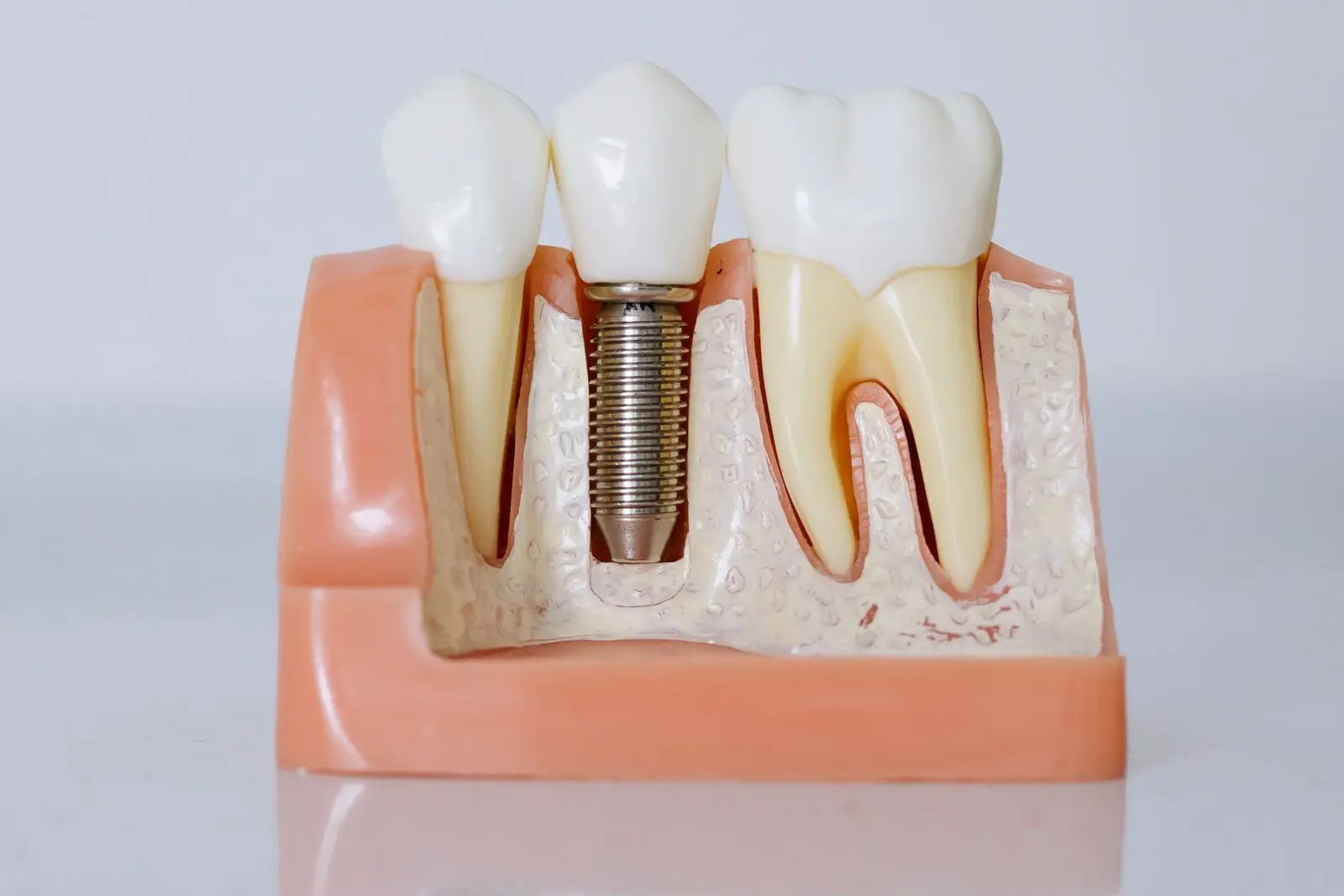
When implant treatment is being planned, a range of digital tools can be used today alongside the clinical examination. Three-dimensional imaging methods, planning software and custom-made surgical guides are the main examples. These approaches, referred to as digital planning and guided surgery, allow the area where an implant is being considered to be examined in detail before surgery and the placement to be worked out in advance. Knowing what these concepts mean can make conversations with the dentist about the treatment process easier to follow.
This article outlines the place of three-dimensional imaging in implant planning, virtual planning in software, the concept of a surgical guide, and what digital tools do and do not change. The content is for information purposes; an individual assessment can only be made through an examination.
Three-Dimensional Imaging: The Basis of Planning
One of the first steps in implant planning is examining the area where the implant is being considered using imaging methods. While two-dimensional films provide a general overview of the jaws and teeth, dental tomography allows the jawbone to be examined three-dimensionally and in cross-sections. In this way, the height, width and volume of the bone, the course of the nerve canal in the lower jaw and the position of the sinus cavity in the upper jaw can be assessed in three dimensions. The scope and differences of the two methods are discussed separately in the article on panoramic X-ray and dental tomography.
Three-dimensional imaging is not an obligatory step before every implant. Which imaging method is needed is determined by the dentist, taking into account the area being planned, the examination findings and the person's anatomical features. In some situations two-dimensional films may provide sufficient information, while three-dimensional examination may be preferred for areas close to neighbouring anatomical structures. Like the treatment plan itself, the imaging decision is individual.
Virtual Planning in Software
One concept that stands out in virtual planning is prosthetically driven planning. Here the aim is not simply to place the implant where the bone appears suitable, but to determine the placement based on the position of the prosthesis, that is, the tooth planned for the end of treatment. In this way, the implant position is considered together with the function and position of the tooth that will sit on it. How the planning proceeds and which stages it involves vary from person to person; this assessment is made through an examination.
The three-dimensional data obtained with tomography can be transferred to planning software and examined in a virtual environment. There, the dentist can work out the position, angle and depth of the implant before surgery, and review different options on screen to build a plan suited to the anatomy of the area. The following points are usually considered together during virtual planning:
- Reviewing bone height, width and volume together with implant dimensions
- Measuring the distance to neighbouring structures such as the nerve canal in the lower jaw and the sinus in the upper jaw
- Working out the position, angle and depth of the implant in a virtual environment
- Reviewing the planned prosthesis position together with the implant placement
What Is a Surgical Guide?
A surgical guide is a custom-made part that serves to transfer the plan prepared in software into the mouth. It is usually designed to sit on the teeth or tissues, and the sleeves on it convey the position, angle and depth defined in the virtual plan to the dentist during surgery. In this respect, the guide acts as a bridge between the digital plan and the surgical procedure.
A surgical guide is not needed in every case. Whether one will be used is assessed by the dentist, taking into account the anatomy of the area, the number of missing teeth, the bone structure and the nature of the planning. Even when a guide is not used, the dentist can still draw on the information obtained from imaging and virtual planning. The approach within implant surgery is determined for each person through an examination.
What Digital Planning Changes, and What It Does Not
The main possibility digital planning offers is that the area can be examined three-dimensionally before surgery and the implant placement can be worked out in advance. The position of anatomical structures can be seen at the planning stage, and possible options can be reviewed on screen. Three-dimensional images can also provide visual support when the dentist explains treatment options. All of these are functional contributions; they do not determine the course of treatment on their own.
On the other hand, digital tools do not replace the clinical examination or the dentist's assessment. Matters such as gum health, oral hygiene, general health and medical history are evaluated through examination and conversation; planning software is only one part of this evaluation. The stages of treatment and the healing process vary from person to person; the general outline is discussed in the article on the implant treatment process. No planning tool amounts to a commitment to a particular result.
Overall
Digital planning in implant treatment is a set of approaches covering three-dimensional imaging, virtual planning and, where needed, the use of a surgical guide. These tools allow bone volume and neighbouring anatomical structures to be examined before surgery, and the implant position to be worked out in advance with the planned prosthesis position in mind. Which tools will be used varies according to the features of each case.
No digital tool, including a surgical guide, produces a treatment decision on its own; the decision is made by the dentist, weighing the examination findings and the person's overall situation together. This content has been prepared for general information purposes and does not replace an individual assessment; consult your dentist with your questions about implant treatment and the planning process.
Questions About This Article
No, a surgical guide is not needed in every case. Whether one is used is assessed by the dentist, considering the anatomy of the area, the number of missing teeth, the bone structure and the nature of the planning. Even without a guide, information from imaging and planning can still be drawn on.
No. No planning method determines in advance how treatment will turn out. Digital tools make it possible to examine and plan before surgery; the course of treatment and the healing process vary from person to person. An individual assessment can only be made through an examination.
Which imaging method is needed is determined by the dentist, based on the area being planned, the examination findings and the person's anatomical features. In some situations two-dimensional films may be sufficient, while in others three-dimensional examination may be preferred. Consult your dentist for accurate information.
This content is for informational purposes only and does not replace an examination by a dentist. The process and results vary from person to person.
Reading this while planning treatment in Turkey? See the Denizli visit planner and the dental tourism guides.
Write to us with your questions
You can get in touch via WhatsApp, phone or email for information about treatments and the process.