
Implants with Insufficient Bone: Grafting and Sinus Lifting

Summary
When jawbone volume is insufficient for an implant, additional procedures such as grafting (bone augmentation) and sinus floor elevation may be considered to support the bone tissue. Bone condition is assessed with clinical examination and panoramic or cone beam (CBCT) imaging; whether an additional procedure is needed is determined from these findings. The method and healing time vary from person to person; consult your dentist for definitive planning.
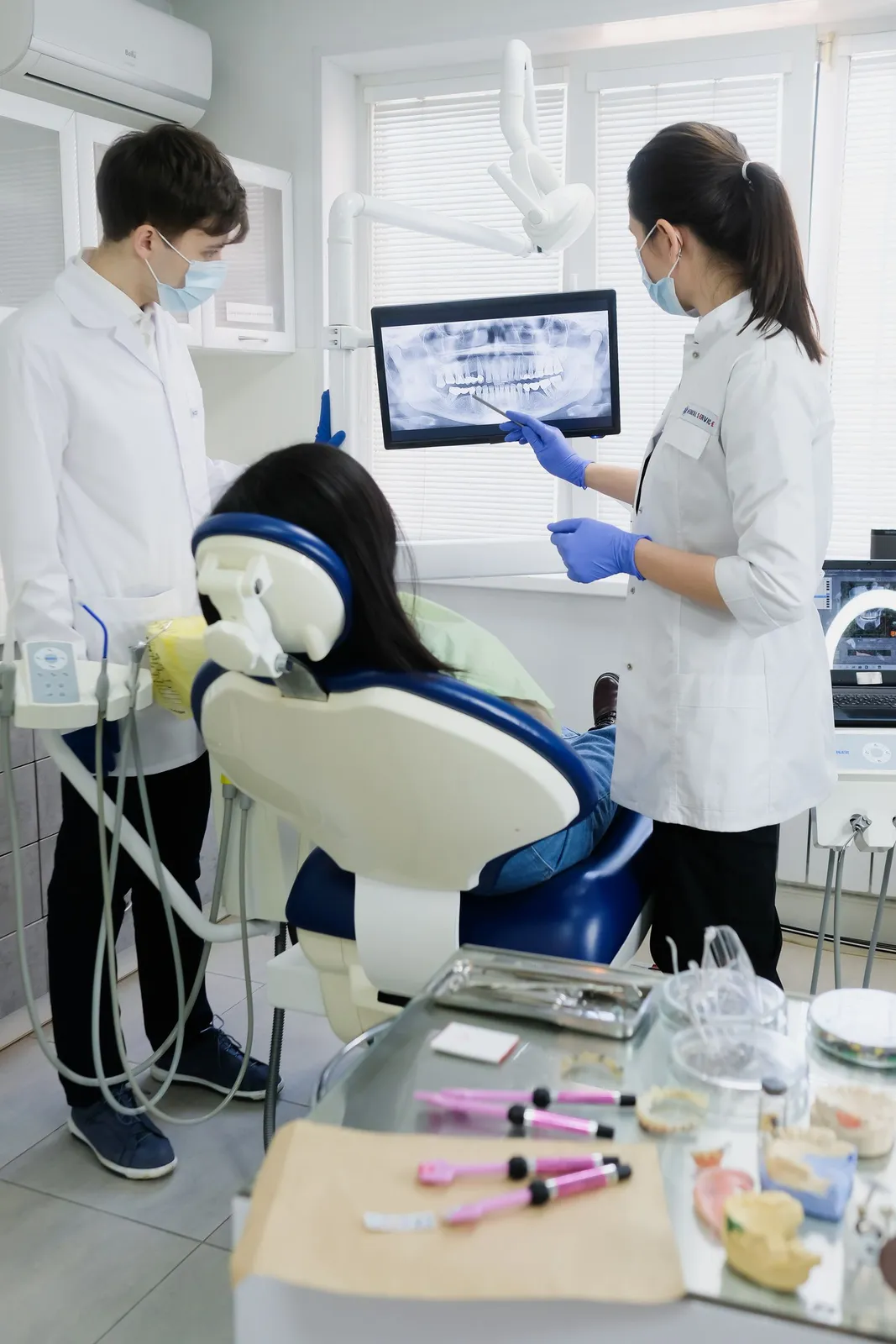
In dental implant applications, the presence of a sufficient amount and quality of jawbone in the area where the implant will be placed is considered one of the fundamental starting points of treatment planning. In situations where bone volume is inadequate, additional procedures such as grafting (bone augmentation) and sinus floor elevation may come into consideration. This content addresses why adequate bone is important, how bone insufficiency is assessed, and the general framework of these procedures.
Uzm. Dt. Emre Karakaya, within the scope of his work in periodontology and oral surgery, is involved in the assessment of cases of bone insufficiency. The headings below are intended for general information and are not a substitute for a personal examination.
Why Adequate Bone Is Needed for Implants
A dental implant is defined as a structure placed within the jawbone that is expected to fuse with the bone tissue over time (osseointegration). For this fusion to be achievable, there generally needs to be enough bone height and width to surround the implant. In areas where bone volume is not sufficient, the positioning and long-term stability of the implant may be planned differently.
Losses in jawbone volume can arise for reasons such as resorption of the bone over time after tooth extraction, long-term tooth loss, gum diseases, or enlargement of the sinus cavity in the upper jaw. For this reason, the condition of the existing bone is evaluated in detail before implant surgery. Whether additional procedures are needed is determined according to this picture, which varies from person to person.
How Bone Insufficiency Is Assessed
In assessing the condition of the bone, radiological imaging methods are used together with clinical examination. While a panoramic radiograph provides a general overview, cone beam computed tomography (CBCT) may be preferred in situations that require three-dimensional evaluation. These imaging methods can help examine bone height and width as well as the distance to anatomical structures such as the sinus cavity and the lower jaw nerve (mandibular canal).
The measurements obtained are used to evaluate whether the implant can be appropriately positioned in the planned area. Whether procedures such as grafting or sinus floor elevation are needed also comes into consideration as a result of this evaluation. Imaging findings and the treatment plan vary from person to person and are considered together with the examination.
About Grafting and Sinus Floor Elevation
Grafting is defined as a procedure that aims to support bone tissue through graft materials used in areas where bone volume is inadequate. The materials used may be from the person's own bone (autograft), from a suitable donor source, or of synthetic origin. The choice of material and the method to be applied are planned according to the condition of the area and the evaluation findings.
Sinus floor elevation (sinus lifting) is a procedure that may come into consideration particularly in the posterior region of the upper jaw, in situations where the sinus cavity limits bone height. In the procedure, the sinus membrane is carefully lifted upward and graft material may be placed into the space that is created. Which of the different techniques referred to as open and closed is suitable is determined according to the amount of existing bone and the clinical evaluation.
The Process and Healing
After grafting and sinus floor elevation procedures, a healing period is anticipated for the graft to mature and integrate with the bone. The length of this period may vary according to the method applied, the condition of the area, and individual healing characteristics. In some cases grafting and implant placement may be planned in the same session, while in others they may be planned as separate stages. The general flow of the steps is also addressed under the heading the dental implant treatment process.
During the healing period, paying attention to oral hygiene, following the recommendations given by the dentist, and not missing follow-up appointments are generally considered important. Situations such as pain and swelling may differ from person to person. The information here is intended for general information; consult your dentist for an accurate assessment and planning suitable for you.
This content is for informational purposes only and does not replace an examination by a dentist. The process and results vary from person to person.
Reading this while planning treatment in Turkey? See the Denizli visit planner and the dental tourism guides.
Write to us with your questions
You can get in touch via WhatsApp, phone or email for information about treatments and the process.