
Implant-Supported Fixed Prosthesis for Full-Arch Tooth Loss

Summary
An implant-supported fixed prosthesis for full-arch tooth loss is a superstructure screwed onto implants placed in the jaw and not removed by the patient. The number of implants, the bone volume and the design of the superstructure are planned individually through clinical examination and three-dimensional imaging. This approach may not suit every patient; the suitable option is determined through examination, so consult your dentist.
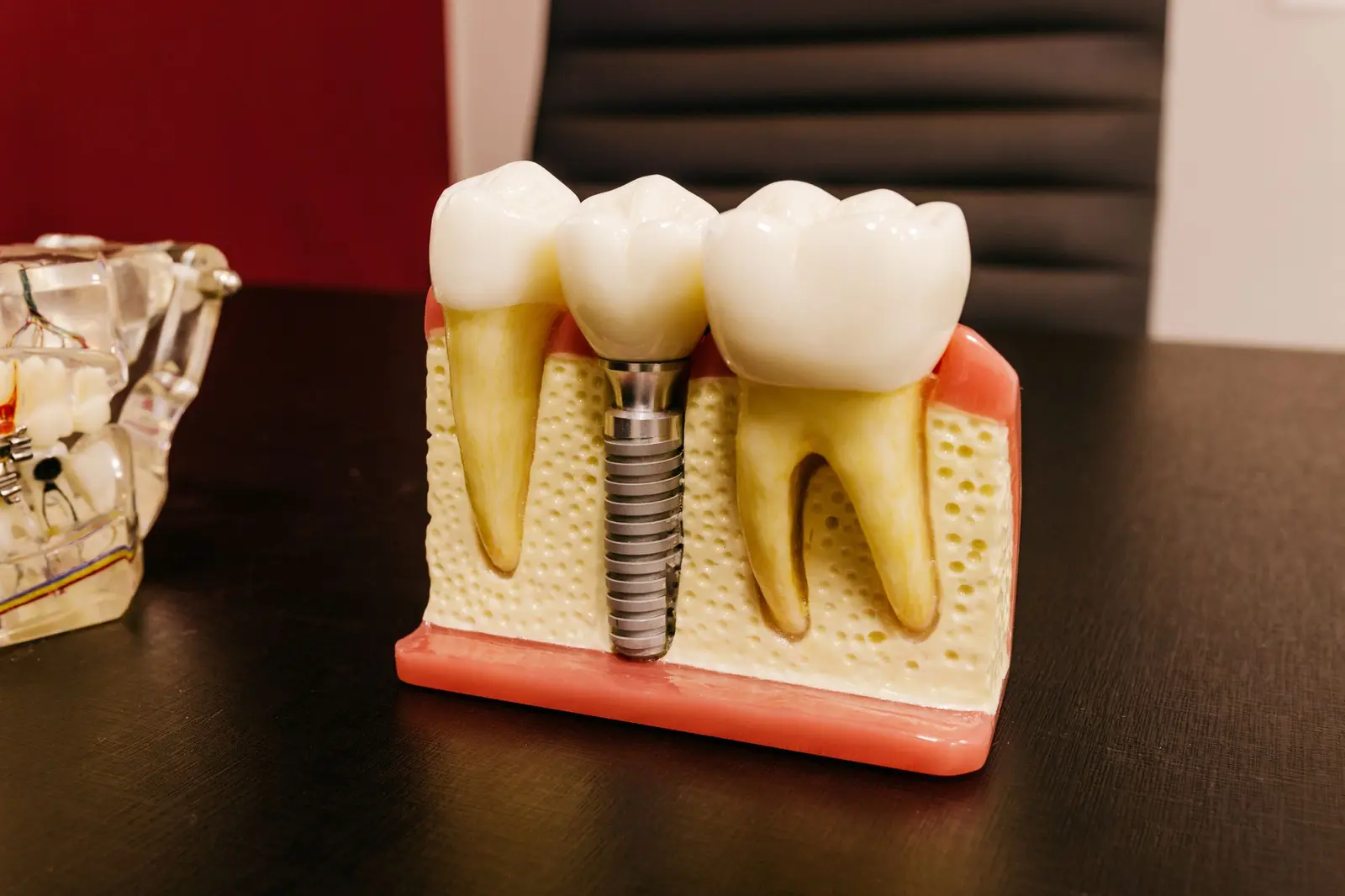
When every tooth in one jaw has been lost, the options are not one approach but several: removable dentures, implant-supported removable dentures and fixed superstructures screwed onto implants.
This article covers only one of them: how an implant-supported fixed prosthesis is planned. The wider framework of implant surgery is covered separately; your own plan is set by your clinician.
What Does a Fixed Full-Arch Prosthesis Mean?
A fixed prosthesis is a superstructure screwed onto implants in the jaw that the patient does not take out. Only the clinician removes it for checks and cleaning.
In the upper jaw, designs found suitable may leave much of the palate uncovered, which can feel different for taste and speech. That design does not suit every patient.
How Many Implants Are Needed?
Giving a number before an examination would be unsound. The count depends on the jaw involved, the bone volume available, the planned superstructure and the opposing teeth.
Planning takes shape through clinical examination, three-dimensional imaging and assessment on models. Two patients of similar age and complaints may still receive different plans.
Differences Between the Upper and Lower Jaw
The lower jaw bone is generally denser. Upper jaw bone can be more porous, which may affect implant positioning and healing.
In the posterior upper jaw, the sinus cavity can limit usable bone height. Where height is insufficient, procedures such as sinus lifting may come into question after imaging.
If Bone Volume Is Not Sufficient
In jaws long without teeth, bone volume can decrease. Bone grafting may then be planned before the implants are placed or in the same session.
Grafting is not required in every patient; radiographic assessment determines that. Where a graft is used, treatment may take longer, which is discussed at the outset.
The Temporary Prosthesis Stage
In cases found suitable, a temporary prosthesis may be planned during the surgical stage. It offers a transition while healing continues; it does not replace the final prosthesis and may not be found suitable for every patient.
The final prosthesis is prepared once healing around the implants is complete. How long that takes varies with the person and the procedures involved, so no timetable is set beforehand.
The Role of the Gums and Peri-implant Tissue
Implants do not decay, but the gum and bone around them can be affected by inflammatory processes. Keeping these tissues healthy is an inseparable part of full-arch planning.
Cleanability, and access to interdental spaces with brushes and aids, is considered at the design stage. Where cleaning is difficult, the risk of peri-implant inflammation may increase.
Daily Care and Follow-up Routine
Because the superstructure is not removed by the patient, daily cleaning relies on interdental brushes, water-based aids and the methods your clinician recommends; further detail appears in care after implant treatment.
Regular check-ups assess the screw connections, the bite and the surrounding tissues. The interval is set by the clinician and may differ from person to person.
How the Assessment Begins
For full-arch tooth loss, a fixed prosthesis is one approach that may be preferred in patients found suitable, not one for everyone. Bone structure, gum health and expectations are weighed together.
This content is for general information and does not replace an examination. To learn which options might be considered in your case, a consultation beginning with clinical examination and radiographic review is recommended.
Questions About This Article
No — a fixed prosthesis is attached to the implants with screws and is not taken out by the patient. Only the dentist removes it, when needed, for checks and cleaning. Daily cleaning is done in the mouth with interdental brushes, water-based aids and the methods your dentist recommends.
In the upper jaw, designs found suitable may leave much of the palate uncovered, which can feel different in terms of taste and speech habits. However, the same design cannot be assumed to suit every patient; the design appropriate for you is determined through examination.
In cases found suitable, a temporary prosthesis may be planned during the surgical stage to provide a transition in function and appearance while healing continues. It may not be suitable for everyone and does not replace the final prosthesis, which is prepared once healing around the implants is complete; timing varies from person to person.
Implants themselves do not decay; however, the gum and bone tissue around them can be affected by inflammatory processes. In areas that are difficult to clean, the risk of peri-implant inflammation may increase, so daily cleaning habits and regular check-ups are important; the follow-up interval may differ from person to person.
This content is for informational purposes only and does not replace an examination by a dentist. The process and results vary from person to person.
Reading this while planning treatment in Turkey? See the Denizli visit planner and the dental tourism guides.
Write to us with your questions
You can get in touch via WhatsApp, phone or email for information about treatments and the process.