
What Is Sinus Lifting and When Is It Needed?

Summary
Sinus lifting (sinus floor elevation) is a surgical procedure that raises the maxillary sinus floor and places graft material into the space created when bone height is insufficient for an implant in the posterior upper jaw. Whether it is needed is determined through clinical examination and three-dimensional tomography; the open or closed technique depends on the existing bone. Healing and implant timing vary from person to person; consult your dentist.
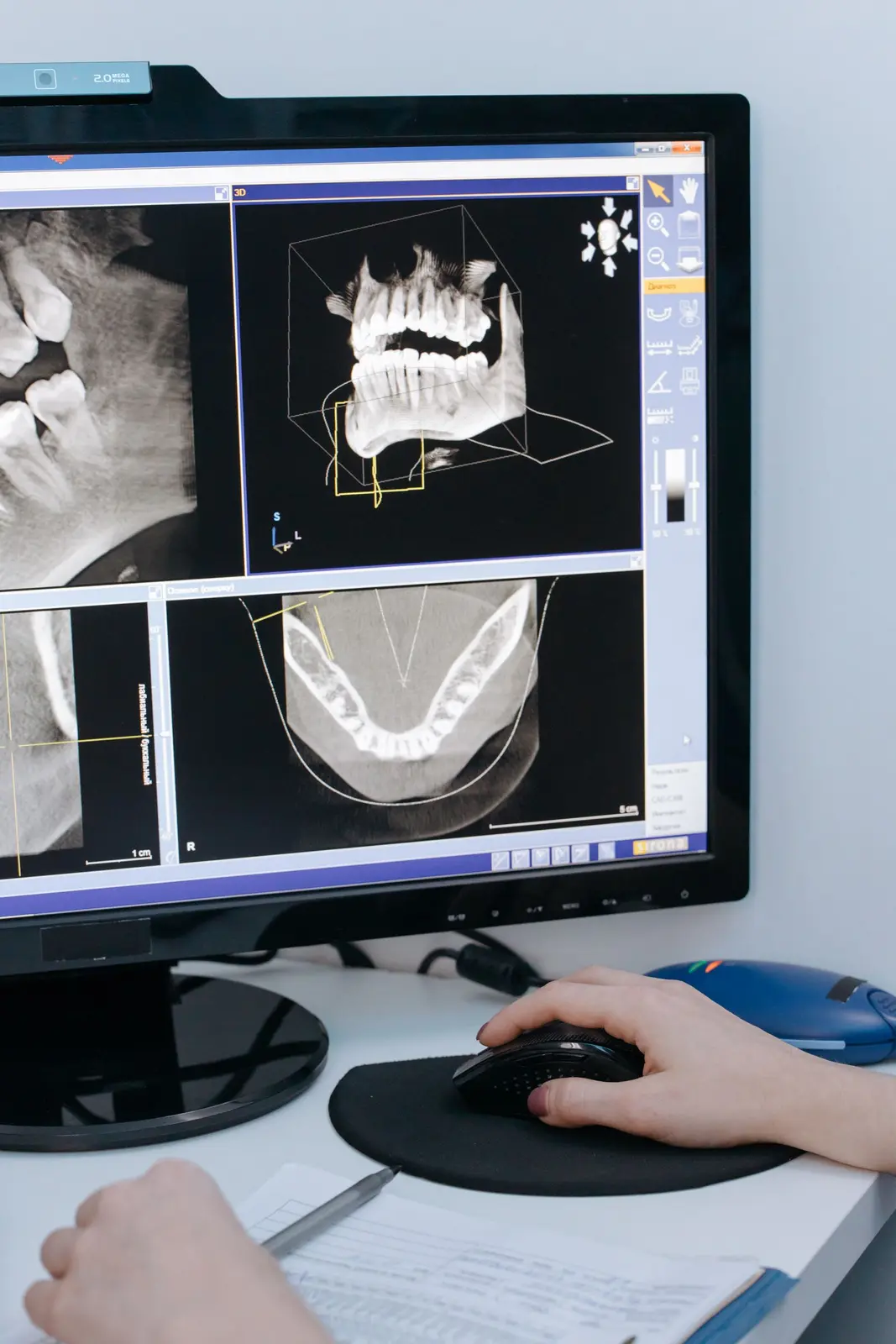
Sinus lifting (sinus floor elevation) is a surgical procedure that comes into consideration when the existing bone height is insufficient for an implant planned in the posterior region of the upper jaw. The floor of the air-filled cavity known as the maxillary sinus is gently raised, graft material is placed into the space created, and in this way an increase in the bone height available for the implant is aimed for.
Uzm. Dt. Emre Karakaya deals with advanced surgical evaluations, including sinus floor elevation, within the scope of periodontology and implant applications. This article outlines the relationship between the maxillary sinus and implants, the open and closed techniques, and the healing process in general terms; the content is for information purposes only and is not a substitute for a personal examination.
The Maxillary Sinus and Implants: Why Does Bone Height Decrease?
The maxillary sinuses are air-filled cavities located on both sides of the nasal cavity, adjacent to the roots of the upper molar teeth. When teeth in this region are lost, the jawbone gradually enters a process of thinning and volume loss (resorption); during the same period the sinus cavity may expand downwards (pneumatization), meaning the sinus floor may descend. The combination of these two factors can significantly reduce the bone height available for an implant.
For an implant to be adequately supported within the jawbone, a certain bone height and volume are required; these values vary from person to person and from region to region. When the height in the posterior upper jaw is found to be insufficient, the option of sinus floor elevation may be evaluated as part of implant surgery planning. Whether such a procedure is needed is determined by examining the clinical findings together with three-dimensional tomography images.
Open (Lateral Window) and Closed (Crestal) Techniques
In the open technique, the sinus area is reached through a small window opened in the side wall of the upper jaw; the sinus membrane is carefully lifted and graft material is placed into the space created. This approach is generally preferred when the bone height has decreased markedly. In the closed technique, the procedure is carried out through the same access route while the implant site is being prepared, and the sinus floor is raised by a more limited amount; under suitable conditions the implant may be placed in the same session.
Which technique is appropriate varies according to the existing bone height, the sinus anatomy and the general health condition. The graft materials that may be used and the ways bone formation is supported are discussed in more detail in the article on bone grafting before implants. The choice of technique does not in itself imply a ranking of superiority; the decision is made by the dentist based on the examination findings.
Healing, Graft Maturation and Implant Timing
After sinus lifting, the maturation of the graft material and the formation of new bone tissue take time; although this period is often expressed as several months, it varies according to the person and the method used. During the healing period it is important to follow the dentist's guidance on matters such as sneezing, nose blowing and pressure changes. Follow-up appointments and images taken when needed help in monitoring the course of healing.
Whether the implant is placed in the same session or after the graft has matured is planned according to the existing bone height and the findings during the procedure. The steps extending from the examination to the prosthetic stage are discussed as a whole in the article on the dental implant treatment process. The healing time and outcomes vary from person to person; this content has been prepared for general information — consult your dentist for a definitive evaluation.
Questions About This Article
In some cases it is possible; particularly with the closed technique, the implant may be placed in the same session under suitable conditions. Whether the implant is placed in the same session or after the graft has matured is planned according to the existing bone height and the findings during the procedure; consult your dentist.
During the healing period it is important to follow the dentist's guidance on matters such as sneezing, nose blowing and pressure changes. Attending follow-up appointments and images taken when needed help in monitoring the course of healing. Recommendations may vary according to your situation; consult your dentist for details.
When an implant is planned in the posterior upper jaw, the existing bone height is assessed through clinical examination together with three-dimensional tomography images. Where the bone height is found to be insufficient, sinus floor elevation may come into consideration. The need varies from person to person and is determined by examination.
This content is for informational purposes only and does not replace an examination by a dentist. The process and results vary from person to person.
Reading this while planning treatment in Turkey? See the Denizli visit planner and the dental tourism guides.
Write to us with your questions
You can get in touch via WhatsApp, phone or email for information about treatments and the process.