
What Is Crown Lengthening and When Is It Considered?

Summary
Crown lengthening is a periodontal procedure in which the gum tissue and, when needed, the bone around the tooth are reshaped to increase the visible surface of the tooth. It may be considered to adjust the gum line for aesthetic reasons or to expose sound tooth structure before a restoration. Whether it is suitable is determined through clinical and, when needed, radiographic examination; the process and results vary from person to person.
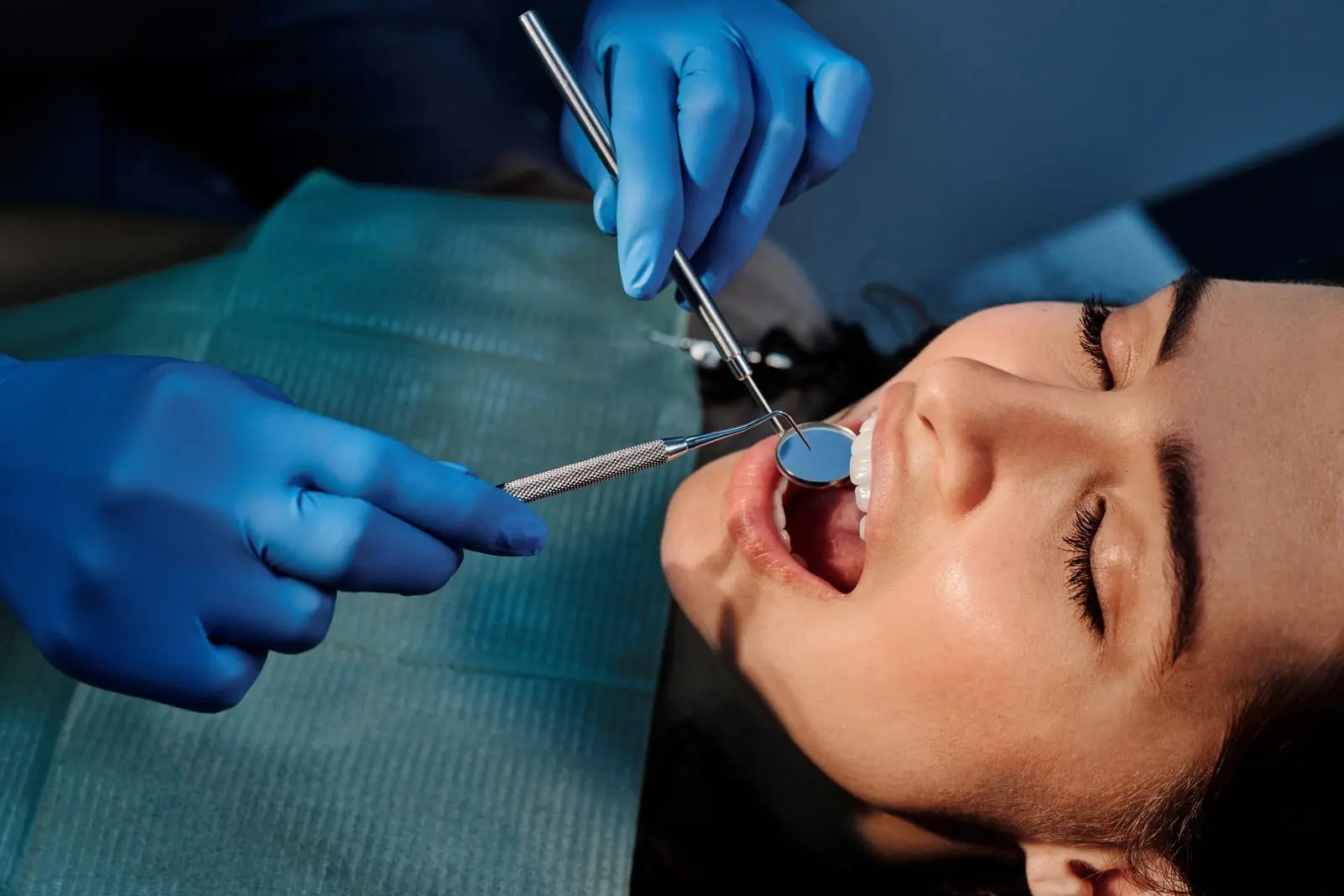
Crown lengthening is a periodontal procedure that aims to increase the visible surface of a tooth by reshaping the gum tissue and, when necessary, the bone that supports it. In this way, sound tooth structure lying below the gum line can be reached, or the length and proportions of teeth that appear short can be reconsidered by adjusting the position of the gum line.
Uzm. Dt. Emre Karakaya deals with the evaluation of the gums and surrounding tissues and the planning of applications such as crown lengthening within the scope of his work in periodontology. This article has been prepared for general information; whether the procedure is suitable for a given person can only be determined through clinical and, when needed, radiographic examination, and this content is not a substitute for a personal examination.
When Does Crown Lengthening Come Up?
Teeth appearing shorter than expected does not always mean that the teeth themselves are short; in some cases the gum tissue covers part of the tooth surface, and the teeth are perceived as if they have not fully emerged. Excessive gum display while smiling may accompany a similar picture; the possible causes of this appearance and the approaches to it are discussed in detail in the article on gummy smile.
A second group of situations arises when sound tooth structure remains below the gum line, for example because the tooth has fractured or decay has progressed under the gum. For a restoration such as a crown or filling to be placed in a healthy way, a sufficient amount of tooth structure may need to be made visible. Crown lengthening carried out for this purpose can be planned as part of the preparation before a restoration; whether it is needed is evaluated through examination.
Aesthetic and Functional Purposes
When crown lengthening is performed for aesthetic reasons, the main goal is for the gum line to form a more balanced relationship with the teeth and the lip line. Adjusting the level of the gums can be considered as one component of smile design planning, because not only the teeth but also the appearance of the gums plays a role in how balanced a smile is perceived to be.
In functionally oriented crown lengthening, the priority is to gain enough tooth structure for the restoration to hold onto and to allow the margin of the restoration to be finished in a position that does not compromise gum health. This relationship between the health and appearance of the gums is also considered within the concept of pink aesthetics. Which purpose is in the foreground and how the planning takes shape vary according to the person's needs.
Outline of the Procedure and Healing
Crown lengthening is generally performed under local anesthesia. Depending on the plan, only the gum tissue may be reshaped, or a limited adjustment may also be made to the bone surrounding the tooth along with the gum. Which approach is appropriate is determined through examination and, when needed, radiographic evaluation, taking into account factors such as gum thickness, bone level and the intended result.
Mild tenderness may be seen in the area after the procedure; the course of healing varies from person to person. During this period it is important to maintain oral hygiene as recommended by the dentist, to clean the area gently and to attend follow-up appointments regularly. Since it may take time for the gum level to settle, planned permanent restorations are generally considered after healing is complete. Crown lengthening is one of the applications evaluated within the scope of gum treatment. Outcomes vary from person to person; to learn whether the procedure is suitable for you and to receive individual information, consult your dentist.
Questions About This Article
The procedure is generally performed under local anesthesia, and the aim is that no pain is felt during it. Mild tenderness may be seen for a few days afterwards. Comfort during healing varies from person to person; if you notice unexpectedly severe pain, consult your dentist.
Surface healing is mostly completed within the first weeks, while it may take longer for the gum level to fully settle. Permanent restorations are generally planned after this settling is complete. The duration varies from person to person; your dentist determines the schedule through follow-up examinations.
In the front region it is considered mostly to adjust the gum line, and in the back region generally as preparation before a restoration. Suitability is determined through examination, considering gum thickness, bone level and the condition of the tooth together.
Since the gum level is expected to settle, permanent crowns or veneers are generally considered after healing is complete; a temporary restoration may be used in the meantime. Timing varies by person and is evaluated by your dentist.
This content is for informational purposes only and does not replace an examination by a dentist. The process and results vary from person to person.
Reading this while planning treatment in Turkey? See the Denizli visit planner and the dental tourism guides.
Write to us with your questions
You can get in touch via WhatsApp, phone or email for information about treatments and the process.