
What Is a Gummy Smile?

Summary
General information about what a gummy smile is, its possible causes, how it is evaluated, and a periodontal-health-based approach.
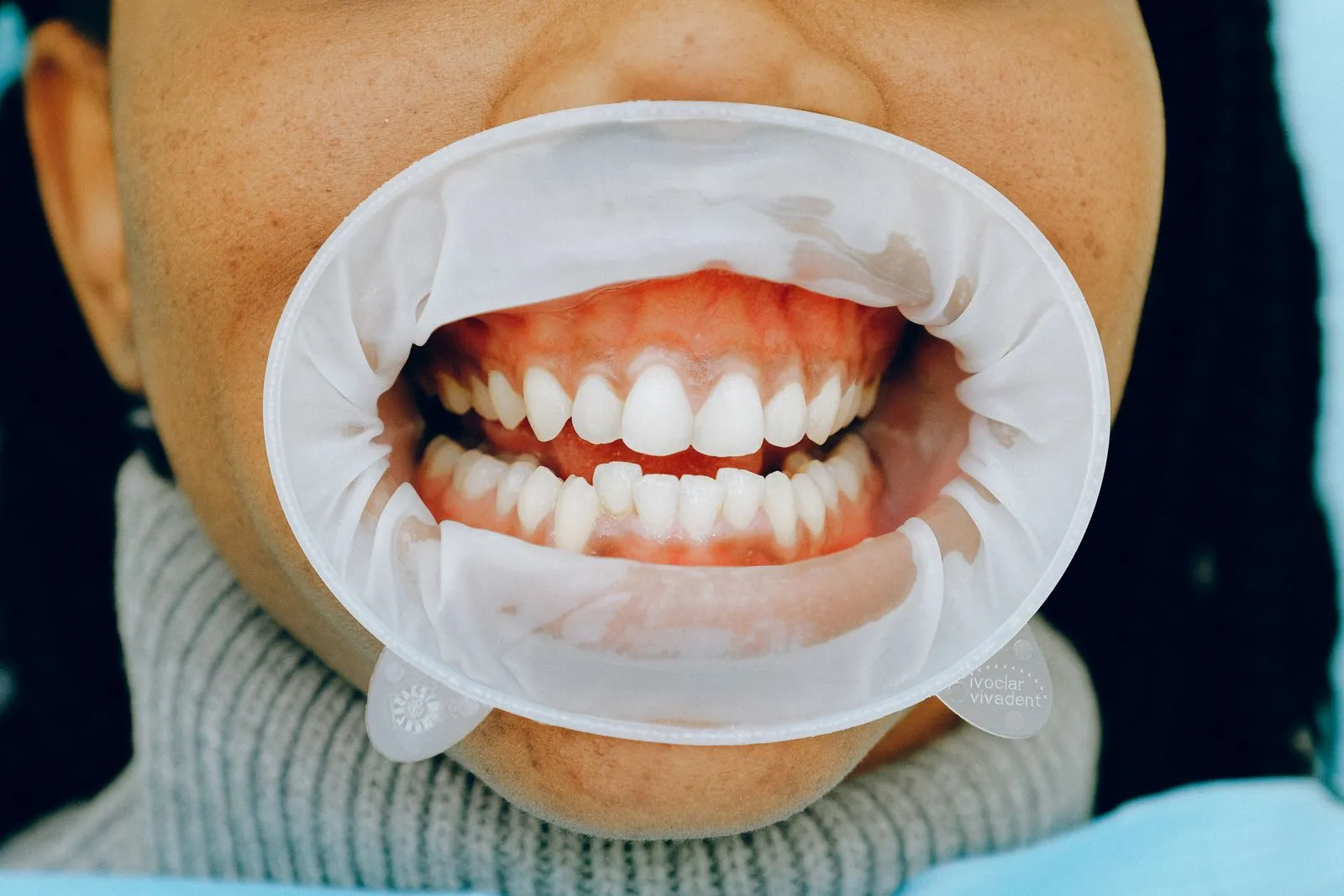
A gummy smile is a term used to describe a situation in which the portion of gum above the upper teeth becomes more visible than usual during smiling. This appearance is often related not to a single factor but to the combined assessment of several elements, such as gum level, tooth size, upper-lip movement and jaw relationship.
Uzm. Dt. Emre Karakaya, within his work in the field of periodontology, is concerned with evaluating the gum level and the tissues that become visible during a smile. The headings below have been prepared for general information and are not a substitute for a personal examination.
What Is a Gummy Smile?
A gummy smile shows itself when a noticeable band of gum tissue becomes visible alongside the teeth at the moment of smiling. How much visible gum is considered usual varies from person to person and is assessed together with facial proportions, lip structure and the way a person smiles. For this reason, a gummy smile is described not as a disease in itself but as a type of appearance.
The harmony between the teeth, the gums and the lips during a smile is evaluated as a whole; this holistic perspective is closely related to the topics addressed under smile design. Because the prominence of a gummy smile varies from person to person, defining the situation only becomes clear through a clinical examination.
Possible Causes
Several possible factors may lie behind a gummy smile. In some cases the gum may cover the tooth surface more than usual (delayed or altered passive eruption), so that the teeth appear short while the proportion of gum seems increased. Another possibility is that the actual size of the teeth is short, or that they appear clinically short due to wear.
The amount of movement of the upper lip during smiling is also among the factors that affect the proportion of visible gum; in some people the lip moves higher and can expose more of the gum. In addition, the vertical development of the upper jaw and the jaw relationship may contribute to the picture. Which of these factors is predominant varies from person to person and can only be determined through a detailed examination.
How Is It Evaluated?
Evaluation begins with a clinical examination of the smile line, the amount of visible gum and the proportions of the teeth. The position of the gum margin, the length of the teeth, lip mobility and the relationship with the upper jaw are reviewed as a whole. When necessary, measurements may be taken to understand the relationship between the gum and the underlying bone, and radiographic assessment may be used if deemed appropriate.
The harmony of the gums with the teeth is assessed together with criteria such as colour, contour and symmetry; the role of the gum tissue within the smile is addressed in more detail under pink esthetics in smile design. The findings obtained are specific to each individual, and the outcome of the evaluation can only be established through examination.
A Periodontal-Health-Based Approach
In every assessment related to the gum tissue, the priority is to review gum health. The presence of conditions such as gum inflammation, plaque accumulation or gum recession may also affect the appearance of the gums within the smile. For this reason, having stable gum health is generally regarded as a fundamental step before any planning related to appearance.
Evaluating gum health and, when necessary, carrying out the process of gum treatment aims to maintain healthy and balanced gum tissue. Approaches to a gummy smile vary from person to person; which options are appropriate and what path will be followed are determined only through a clinical examination. This content is intended for general information, and it is recommended that you consult your dentist for accurate information.
This content is for informational purposes only and does not replace an examination by a dentist. The process and results vary from person to person.
Write to us with your questions
You can get in touch via WhatsApp, phone or email for information about treatments and the process.