
Gum Recession: Causes and Approach

Summary
Gum recession is the gum margin moving back toward the root, exposing part of the root; its main causes include traumatic habits such as brushing with a hard brush or excessive pressure, anatomical features like thin gum tissue, and periodontal disease. Bruxism, poorly fitting restorations and tobacco use may also contribute. The cause and extent vary from person to person and are determined through a dentist's examination.
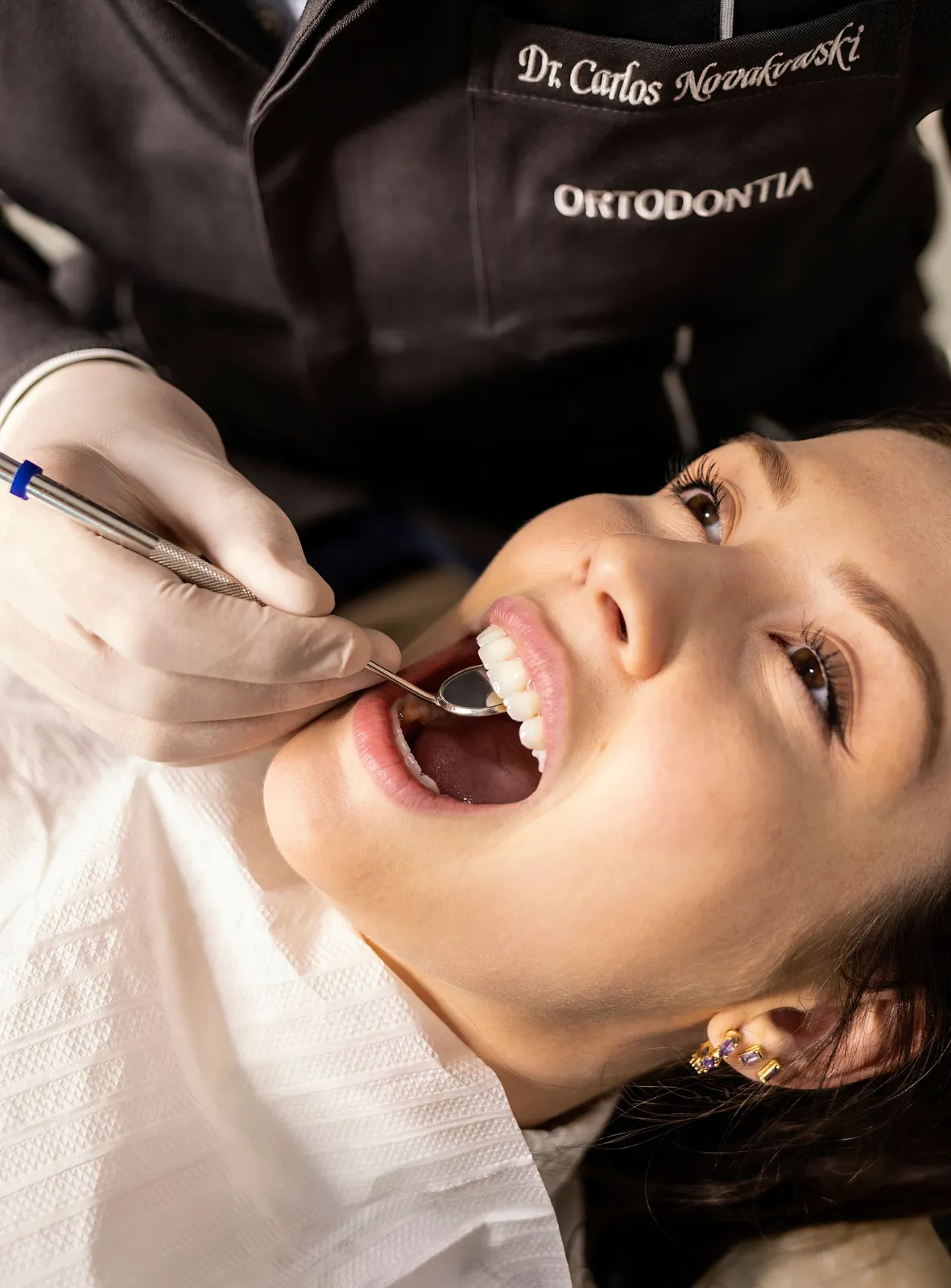
Gum recession (gingival recession) is a condition in which the gum tissue moves back from its normal position on the tooth surface toward the root, exposing part of the tooth root. This change usually progresses slowly and may become noticeable over time.
The headings below are intended for general information and are not a substitute for a personal examination. As part of his work in periodontology, Uzm. Dt. Emre Karakaya deals with the assessment of gum recession and the approach to its causes, and this content addresses the topic in general terms.
What Is Gum Recession?
In a healthy mouth, the gum forms a protective covering over the tooth root and the supporting tissues beneath it. In gum recession, the margin of this tissue moves back toward the root and may expose the border between the enamel and the root (the cemento-enamel junction). As a result, the tooth may appear longer than it is, and the root surface is directly exposed to the oral environment.
Recession may be limited to a single tooth or may involve several teeth. Its rate of progression and extent vary from person to person; for this reason, the scope of the situation can only be determined through clinical examination and, when needed, radiographic assessment.
Main Causes
More than one factor is often involved behind gum recession. Traumatic habits such as using a hard-bristled brush and brushing with excessive pressure in a horizontal direction can gradually push the gum margin back. Anatomical features—such as thin gum tissue (thin biotype), a tooth positioned outside the arch, and pulling from lip and cheek attachments (frenulum)—may also predispose a region to recession.
Another important group of causes involves inflammatory diseases that affect the gums and supporting tissues; periodontal disease, which progresses with the accumulation of tartar and bacterial plaque, can lead to loss of supporting tissue and to gum recession. Recognizing gum inflammation early is important in this respect, and the related warning signs are outlined in general terms in the article on the symptoms of gum disease. In addition, factors such as teeth grinding (bruxism), poorly fitting denture or filling margins, and tobacco use may contribute to the picture.
Signs and Possible Consequences
A frequently reported sign of gum recession is sensitivity to cold, hot, or sweet stimuli due to the exposed root surface. Teeth appearing longer than usual, irregularity along the gum margin, and notching on the root surface may also be observed. The severity of symptoms varies from person to person, and not every instance of recession leads to a noticeable complaint.
The exposed root surface is less protected against external factors than enamel; this can raise the risk of root decay and progressive tissue loss. When recession becomes pronounced on the front teeth, it may also cause aesthetic concern, and in this respect it can be associated with smile design assessments. The scope and prioritization of possible consequences are specific to the individual and are determined by examination.
Approach and Prevention
The first step in approaching gum recession is identifying the factors that contribute to it; reviewing brushing habits, ensuring control of plaque and tartar, and addressing any inflammatory process where present are considered within this scope. In inflammation-related situations, gum treatment options aimed at restoring gum health are planned according to the dentist's examination findings. In some cases, surgical approaches intended to cover the exposed root surface may come into consideration; suitability varies from person to person.
For prevention, brushing with a soft-bristled brush using an appropriate technique and without applying excessive pressure, maintaining regular oral care, and attending check-ups at the recommended intervals are generally important. Managing contributing factors such as bruxism and poorly fitting restorations may also be part of the process. This content is intended for general information; consult your dentist for an individual assessment and accurate information.
This content is for informational purposes only and does not replace an examination by a dentist. The process and results vary from person to person.
Write to us with your questions
You can get in touch via WhatsApp, phone or email for information about treatments and the process.