
The Oral Microbiome and Gum Health

Summary
Hundreds of microbial species live together in the mouth; most are harmless, and in health this community remains largely in balance. Current research views gum disease not as the work of a single microbe but as the result of plaque build-up disturbing this ecological balance, known as dysbiosis. The aim is to protect the balance rather than eliminate bacteria; the picture varies from person to person, and an examination by a dentist is recommended for individual assessment.
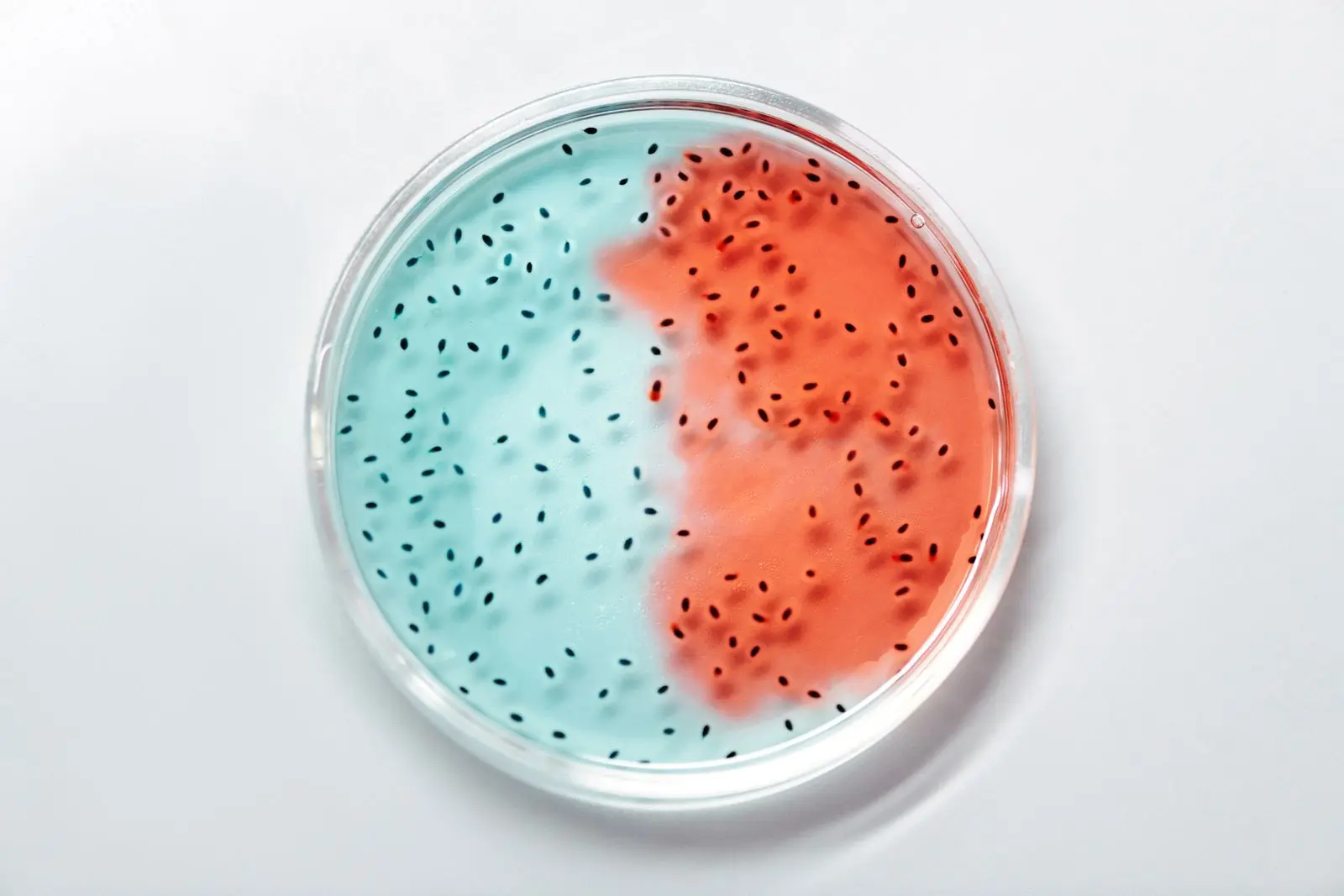
The word bacteria is usually associated with disease, yet most of the microorganisms living in the mouth do not cause illness. Hundreds of different microbial species coexist on the tooth surfaces, the tongue, the inner cheeks and along the gum line, and this community is known as the oral microbiome. In a healthy mouth the community is largely in balance, with species interacting constantly both with one another and with the oral tissues. In recent years, a substantial part of research on gum health has focused less on individual microbes and more on this community as a whole and on its balance.
This article outlines the concept of the oral microbiome, the state of imbalance known as dysbiosis, the factors that can affect microbial balance, and the current research picture on probiotics and products described as “microbiome friendly”. The content is for information purposes; an individual assessment can only be made through an examination.
What Is the Oral Microbiome?
The oral microbiome refers to the community of microorganisms living in the mouth — mainly bacteria, together with fungi, viruses and other microbes. This community is not the same everywhere in the mouth: the tooth surface, the back of the tongue, the inner cheek and the groove along the gum line each offer their own conditions and act as distinct habitats hosting different species. Saliva is an important regulator of this environment; it washes the surfaces, buffers acids and, through the components it contains, contributes to microbial balance.
In health, the great majority of these species are harmless; the community itself may even act as a natural barrier that makes it harder for outside microorganisms to settle in the mouth. The composition of the microbiome varies noticeably from person to person, and there is no single definition of a “healthy microbiome” that applies to everyone. Current approaches therefore look at the overall balance of the community rather than at the presence or absence of particular species. How this balance should be assessed remains a subject of ongoing research.
Balance and Dysbiosis: From Plaque to Gum Disease
The bacterial plaque that builds up on the tooth surface is one of the visible forms the microbiome takes. When plaque is not removed regularly, its structure changes over time: as the layer thickens, less oxygen reaches its deeper parts, and the environment may become more favourable for species that can support an inflammatory response at the gum line. This shift in the composition of the community is called dysbiosis. Current research approaches treat gum disease not as the work of a single microbe but as the outcome of plaque build-up disturbing the ecological balance.
Dysbiosis and the inflammatory response of the gum tissue are considered part of a cycle that can feed itself: a changed community may trigger inflammation, while an inflamed environment can in turn create favourable conditions for certain species. Signs that may accompany changes in microbial balance include bleeding gums and bad breath. Research into the details of these processes continues; which picture develops and how it progresses varies from person to person, and a definite assessment can only be made through an examination.
Factors That Can Affect Microbial Balance
How much weight each of these factors carries varies from person to person; even in two people with similar habits, the oral environment may follow a different course. The effects of diet on the gums are discussed separately in nutrition and gum health. For people who experience dry mouth or use regular medication, it is appropriate to share this with the dentist; which factor stands out and what kind of approach is needed are assessed through an examination.
The oral microbiome is not a static structure; daily habits, dietary patterns and general health can all influence the composition of the community. Some of these factors act indirectly by changing the conditions of the oral environment, such as its acidity or the flow of saliva. These influences usually work together rather than alone, and their effects can accumulate over time to shape the structure of the community. The main factors examined in research for their relationship with microbial balance can be listed as follows:
- Oral hygiene: Regular brushing and cleaning between the teeth may help limit plaque build-up and shifts within the community.
- Diet: Frequent consumption of sugary and processed foods can create favourable conditions for acid-producing species to multiply.
- Smoking: By altering the oral environment, it can affect both the composition of the community and the response of the gum tissue.
- Dry mouth: Reduced saliva can weaken the natural cleansing and buffering functions that support balance.
- Certain systemic conditions: Diseases such as diabetes and the side effects of some medications can indirectly affect the oral environment.
Probiotics and “Microbiome Friendly” Products
As the concept of the microbiome has become popular, probiotic lozenges, oral care products described as “microbiome friendly” and similar items have also come to the fore. Research in this area is still at an early stage: findings on which species, in what form and for how long might produce a lasting effect in the mouth are limited, and methods differ considerably between studies. It is therefore not always easy to tell whether a phrase such as “microbiome friendly” rests on a scientific standard or on marketing language, and a cautious attitude towards such claims is warranted.
On current knowledge, the aim is not to “reset” the bacteria in the mouth but to protect the balance. The established way of doing this is mechanical cleaning: regular brushing, cleaning between the teeth and, for hardened deposits, dental scaling performed by a dentist help keep plaque build-up under control. Where gum inflammation has advanced, periodontal treatment options are considered after an examination. If you are thinking of using a probiotic product, it is advisable to ask your dentist whether it is suitable for you.
Overall
The oral microbiome offers a framework that shifts the view of gum health from individual microbes to the community as a whole and to its balance. Within this framework, gum disease is treated as the outcome of plaque build-up disturbing the ecological balance; however, research into the composition of the microbiome, the development of dysbiosis and their relationship with general health is ongoing, and many questions remain unanswered. The factors that affect the balance, and the weight each of them carries, vary from person to person.
This content has been prepared for general information purposes and does not replace an individual assessment. Consult your dentist about your oral hygiene habits, any products you are considering, or complaints concerning your gums; the approach suitable for you can only be determined through an examination.
Questions About This Article
No; most of the microorganisms in the mouth are harmless, and in health the community is in balance. The aim is not to eliminate bacteria but to protect this balance by limiting plaque build-up through regular cleaning. The care routine that suits you varies from person to person; asking your dentist is recommended.
Research on the place of probiotics in oral health is ongoing and the available findings are limited; no definite protective effect has been established. These products do not replace brushing and cleaning between the teeth. If you are considering using one, it is advisable to consult your dentist first.
Long-term use of antibacterial mouthwash may affect the microbial balance in the mouth. Products of this kind are therefore generally used for a limited period and on a dentist's recommendation. Whether a mouthwash is needed, and for how long, varies by person and is assessed through an examination.
This content is for informational purposes only and does not replace an examination by a dentist. The process and results vary from person to person.
Write to us with your questions
You can get in touch via WhatsApp, phone or email for information about treatments and the process.