
Recovery After Tooth Extraction and Points to Watch

Summary
General information about the first 24 hours after a tooth extraction, protecting the blood clot, dry socket, nutrition, oral hygiene and suture control.
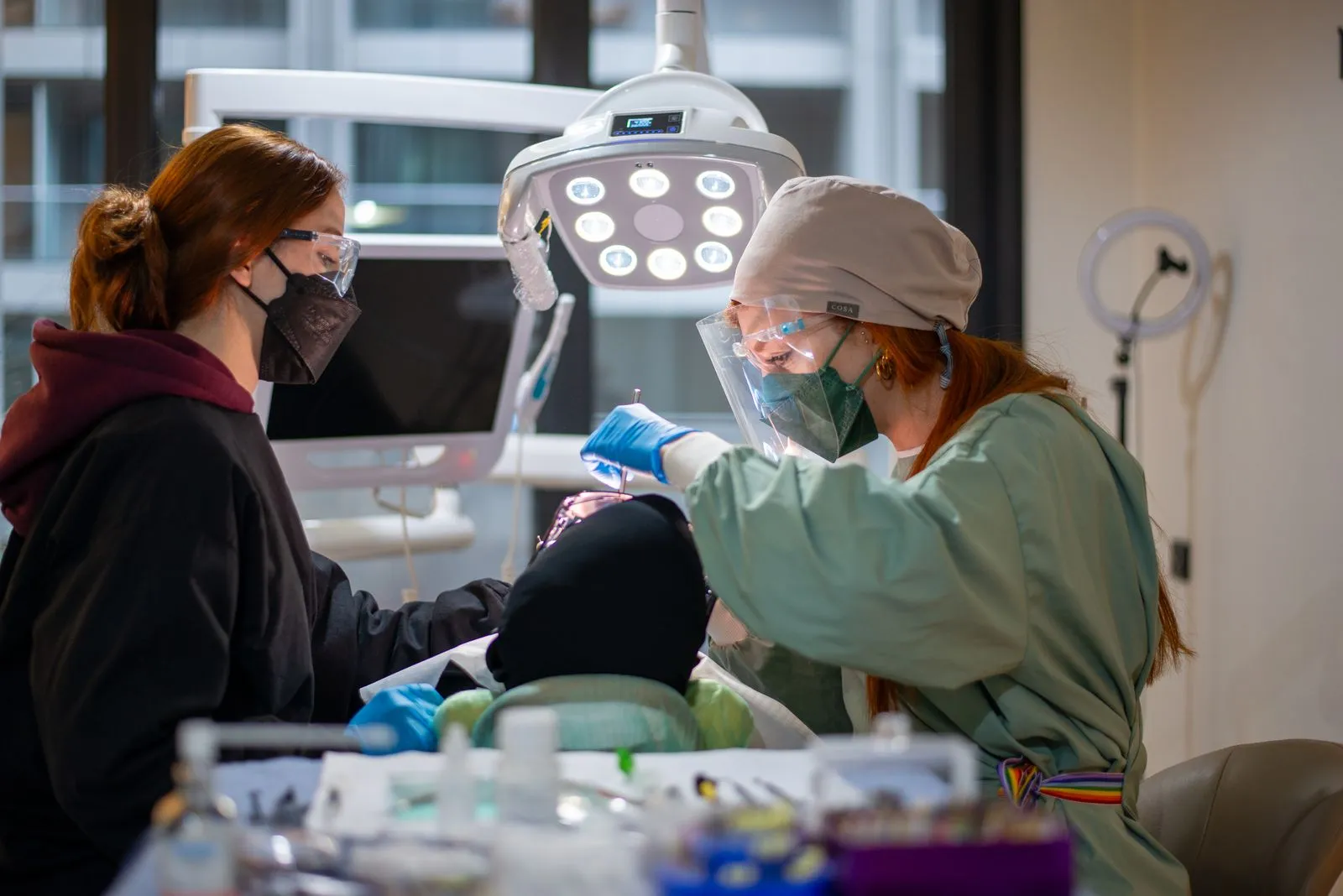
Recovery after a tooth extraction is a process that begins with protecting the blood clot that forms in the socket and continues as the tissues are gradually repaired. Simple care measures applied in the first few days can support the general course of healing; however, the pace and course of this process vary from person to person.
Uzm. Dt. Emre Karakaya deals with post-extraction care as part of his work in oral surgery and gum health. The headings below are intended for general information and are not a substitute for a personal examination.
The First 24 Hours After Extraction
Immediately after the extraction, a sterile gauze pad is placed over the socket to help control bleeding, and gentle pressure is usually applied by biting on it for a certain period. Slight bleeding or oozing in the first hours is considered normal; how often the gauze should be changed and how long pressure is applied are determined after examination, based on the clinician's instructions.
During the first 24 hours, it is often recommended to avoid habits that can create pressure changes in the area, such as spitting, vigorous rinsing, hot drinks and drinking through a straw. The instructions given by the clinician form the basis for managing pain and swelling; the possible effects of factors such as smoking and heavy physical activity on healing are assessed on an individual basis.
Protecting the Clot and Dry Socket
The blood clot that forms inside the socket after extraction covers the underlying bone and nerve endings, forming the foundation of healing. If this clot becomes dislodged or breaks down at an early stage, the alveolar bone may be left exposed, and a condition called dry socket (alveolar osteitis) can develop. Dry socket may present with pain that typically increases a few days after the extraction and can radiate towards the ear.
The risk of dry socket may depend on many factors and can come up more frequently with certain types of extraction; this topic is also addressed in the context of impacted wisdom tooth extraction, particularly involving the lower third molars. If a distinct and increasing pain is felt, the condition of the clot can only be assessed through an examination; therefore, rather than waiting for it to resolve on its own, consulting the clinician is recommended.
Nutrition and Oral Hygiene
In the first days, soft, lukewarm or cool foods may be preferred; it is often recommended to avoid very hot, hard or small-grained foods that can lodge in the area. Chewing on the opposite side of the extraction site as much as possible can help protect the socket, and adequate fluid intake is one of the factors that support the overall healing process.
Maintaining oral hygiene is important; however, on the first day it may be advised to avoid vigorous brushing and rinsing that directly contacts the extraction area. After the first 24 hours, gentle rinses with lukewarm salt water may be recommended if the clinician considers it appropriate. Continuing the tooth-brushing routine away from the area can help reduce plaque build-up and the risk of possible infection.
Follow-up and Suture Control
After some extractions, sutures may be placed at the edges of the socket; whether the suture used is of a self-dissolving type and when it is to be removed depend on the procedure and are indicated by the clinician. A follow-up appointment is planned to observe the course of healing and to remove the sutures when necessary. During this period, it may be advised to avoid excessive contact of the tongue and fingers with the suture area.
Unlike swelling and tenderness, which are expected to decrease over time, symptoms such as increasing pain, high fever, swelling that makes swallowing difficult or prolonged bleeding warrant consulting the clinician. Healing may follow a different course particularly after the extraction of impacted teeth; general information on this subject is covered in the article on impacted wisdom teeth. Results vary from person to person; consult your dentist for accurate information.
This content is for informational purposes only and does not replace an examination by a dentist. The process and results vary from person to person.
Reading this while planning treatment in Turkey? See the Denizli visit planner and the dental tourism guides.
Write to us with your questions
You can get in touch via WhatsApp, phone or email for information about treatments and the process.