
What to Know About Impacted Wisdom Teeth

Summary
General information on why a wisdom tooth may remain impacted, when extraction comes into consideration, and the points worth keeping in mind after surgical removal.
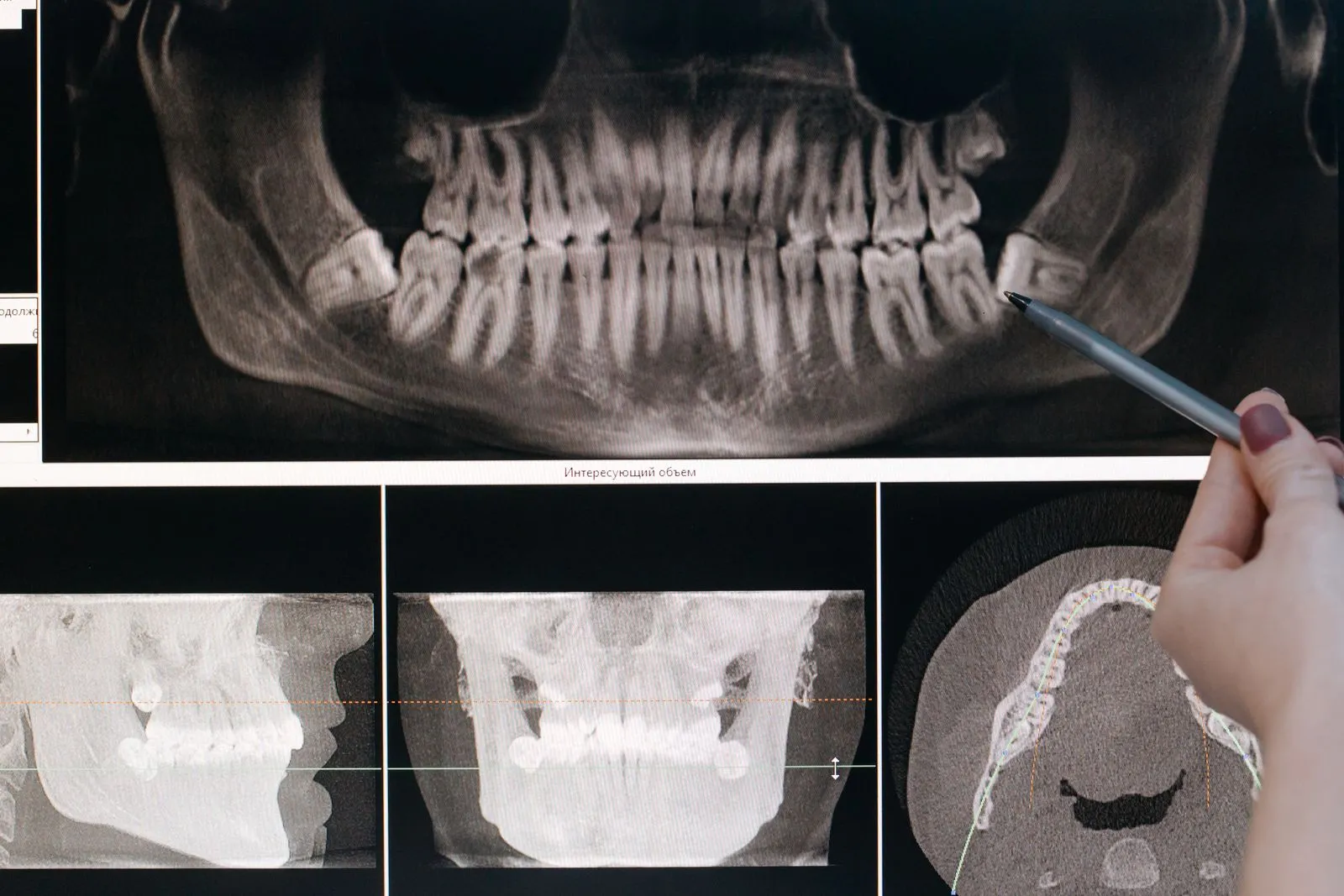
Wisdom teeth (the third molars) are the last teeth to erupt in the mouth and usually begin to seek their place in the jawbone during late adolescence and early adulthood. When there is not enough space in the jaw structure, or when the direction of eruption is unfavorable, these teeth may remain partly or completely within the jawbone and gum; this condition is referred to as an impacted tooth.
The sections below outline, in a general framework, why a wisdom tooth may remain impacted, the situations in which extraction may come up, and the points worth keeping in mind after the surgical extraction process. This content is for information only; an individual assessment is made through examination and, where needed, radiographic evaluation.
Why Does a Wisdom Tooth Stay Impacted?
One of the most common reasons for impaction is the absence of enough space in the jawbone for the tooth to erupt fully. Located at the very back of the dental arch, the wisdom tooth may fail to complete its eruption because it becomes caught against the teeth in front of it, the jawbone, or the gum. In this case, the tooth may remain within the bone in various positions, such as upright, angled, or horizontal.
While a wisdom tooth can sometimes stay silent for years without any symptoms, in partly erupted teeth a closed pocket may form between the gum and the tooth. The accumulation of food and bacteria in this area can create the conditions for inflammation around the gum (pericoronitis). Whether symptoms are present and how the tooth relates to the surrounding tissues vary from person to person; a clear assessment can only be made through examination and radiographic evaluation.
When Does Extraction Come Into Consideration?
Not every impacted wisdom tooth necessarily needs to be extracted. Some teeth that cause no symptoms and appear to carry a low risk of harming the surrounding tissues may be monitored with regular check-ups. The decision is made individually, evaluating the position of the tooth, the symptoms, and the radiographic findings together.
Extraction may come up in cases of recurrent gum inflammation, decay or pressure-related damage to the neighboring tooth in front, the development of a cyst-like formation around the tooth, recurrent pain, or situations where cleaning cannot be maintained. In the assessment, a panoramic X-ray may be used, and when needed, cone-beam computed tomography (CBCT) can help show in three dimensions how the tooth relates to neighboring structures such as the nerve canal. The approach to be taken is determined following examination.
The Surgical Extraction Process and Points to Watch Afterward
The extraction of impacted teeth is a surgical procedure usually performed under local anesthesia. During the procedure the gum is accessed, and when needed the bone covering the tooth and the tooth itself may be divided into sections to make removal easier; the area is then cleaned and, where necessary, sutured. Particularly in the lower jaw, care is taken regarding the tooth's relationship with the nerve structures, in light of the radiographic evaluation carried out beforehand.
In the first days after the procedure, it is normal for swelling, mild pain or bruising to occur in the area. During this period, applying cold as recommended by the clinician, choosing soft foods, and paying attention to oral hygiene are advised. Avoiding vigorous rinsing, sucking motions, and smoking on the first day is important for protecting the blood clot. The healing process and suture check vary from person to person; because outcomes can differ, you should consult your dentist for accurate information.
This content is for informational purposes only and does not replace an examination by a dentist. The process and results vary from person to person.
Reading this while planning treatment in Turkey? See the Denizli visit planner and the dental tourism guides.
Write to us with your questions
You can get in touch via WhatsApp, phone or email for information about treatments and the process.