
Preparing for Impacted Tooth Extraction

Summary
General information on preparing for impacted tooth extraction: sharing your medications and health history, practical preparation for the day and planning ahead for recovery.
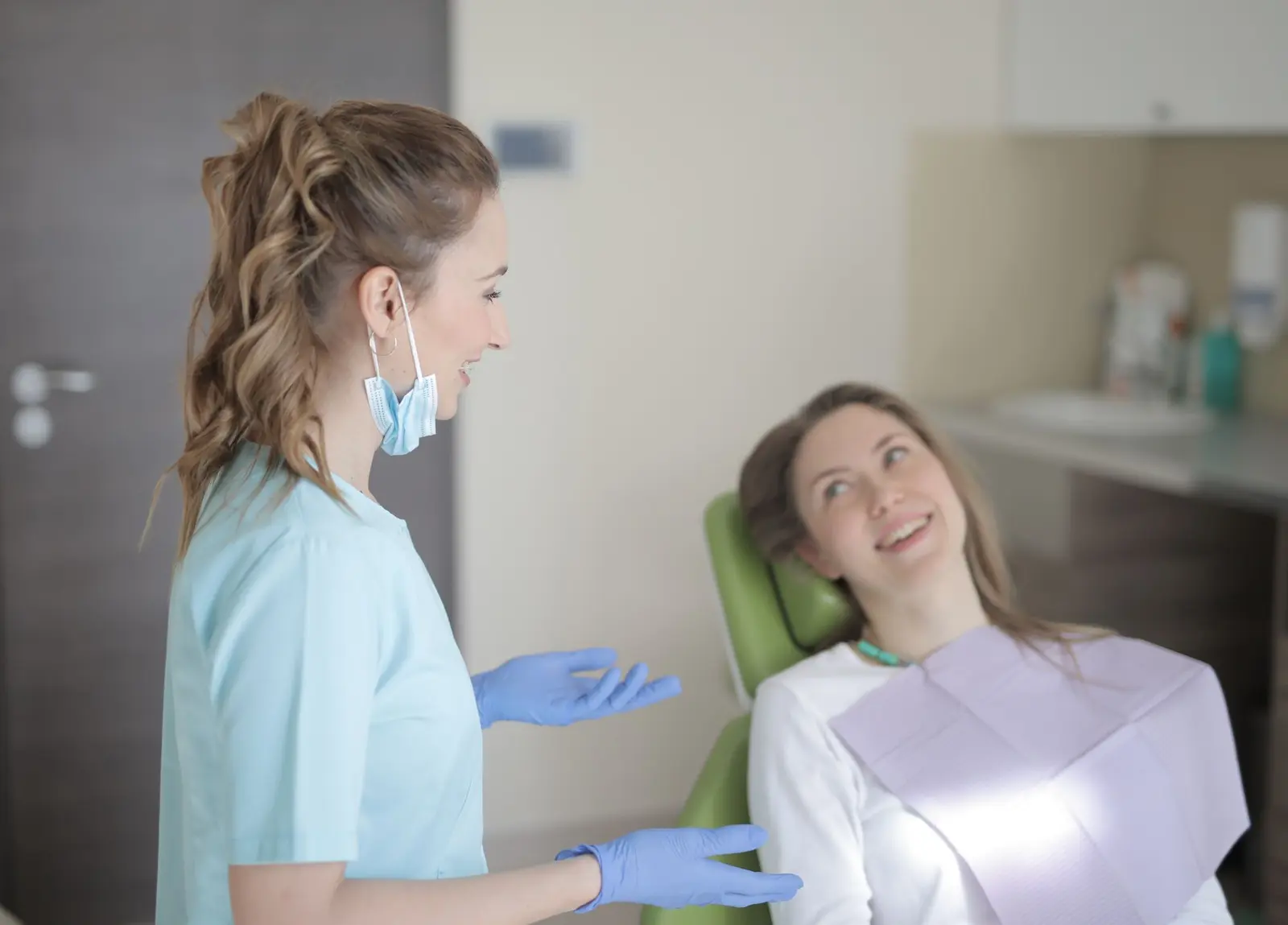
When impacted tooth extraction comes up, most of the attention goes to aftercare; yet small preparations made beforehand can also help the process go more smoothly. From the information you share with your clinician to how you plan the day itself, thinking ahead reduces uncertainty and makes the rest period easier.
This article outlines, in general terms, how to prepare before impacted tooth extraction; the period afterward is the subject of the article on healing after extraction. The headings below are for information purposes; in every matter, the instructions given by your own clinician take precedence.
Sharing Your Medications and Health History
It is important to tell your clinician about all the medicines you take regularly — including blood thinners, medication for chronic conditions, herbal supplements, over-the-counter painkillers and vitamins. Some medicines can affect surgical planning; however, never stop a medicine or change its dose on your own. Any adjustment considered necessary is planned between your dentist and the physician who follows you.
Chronic conditions such as diabetes, cardiovascular disease or blood pressure problems, along with any known allergies, should also be mentioned before the assessment. This does not mean the procedure cannot be done; it allows your clinician to plan it according to your overall health. Bringing a written, up-to-date list of your medicines helps ensure nothing is forgotten.
Practical Preparation for the Day of the Procedure
On the day itself, follow your clinician's instructions about eating, drinking and medication; since these vary from person to person and procedure to procedure, what your own clinician tells you matters more than general advice. Coming in comfortable clothing and brushing your teeth beforehand also help the day go more easily.
Although the procedure is usually performed under local anesthesia, you may feel tired afterward; having a companion with you if possible and keeping the rest of your day free of demanding plans are recommended. Questions such as driving or returning to work can be discussed with your clinician in advance.
Getting Ready for the Recovery Period
Because soft and lukewarm foods are preferred in the first days after extraction, having soup, yogurt and purées ready at home is a practical convenience, and an ice pack or gel compress for cold application can be part of the same preparation — so you do not have to deal with tiring errands right after the procedure.
If you smoke, discuss this with your clinician beforehand; smoking can negatively affect wound healing in the mouth and increase the likelihood of problems afterward. The subject is covered in detail in the article on smoking and gum health. Preparation differs from patient to patient; consult your clinician for information specific to you.
Possible Situations Discussed Before the Procedure
When a surgical procedure is planned, the situations that may be encountered are discussed alongside the usual course. Pain that increases when it would be expected to settle can be seen where the clot has not been maintained; to reduce this possibility, rinsing, suction movements and smoking are to be avoided on the first day. Swelling and temporary limitation in opening the mouth may also be seen depending on the scope of the procedure, and cold application with rest are simple steps recommended in this period.
In the lower jaw, where roots lie close to the nerve canal, a temporary change in sensation may be noticed in the lip or chin area afterwards. Imaging is carried out so that this possibility can be assessed in advance, and a three-dimensional examination is requested when needed; planning follows that information. None of these situations is inevitable; the aim is that you know beforehand which finding is expected and which should be reported.
This content is for informational purposes only and does not replace an examination by a dentist. The process and results vary from person to person.
Reading this while planning treatment in Turkey? See the Denizli visit planner and the dental tourism guides.
Write to us with your questions
You can get in touch via WhatsApp, phone or email for information about treatments and the process.