
The Relationship Between Diabetes and Gum Health

Summary
General information about the two-way relationship between diabetes and gum health, how blood-sugar control affects the gums, oral care for people with diabetes and the importance of regular check-ups.
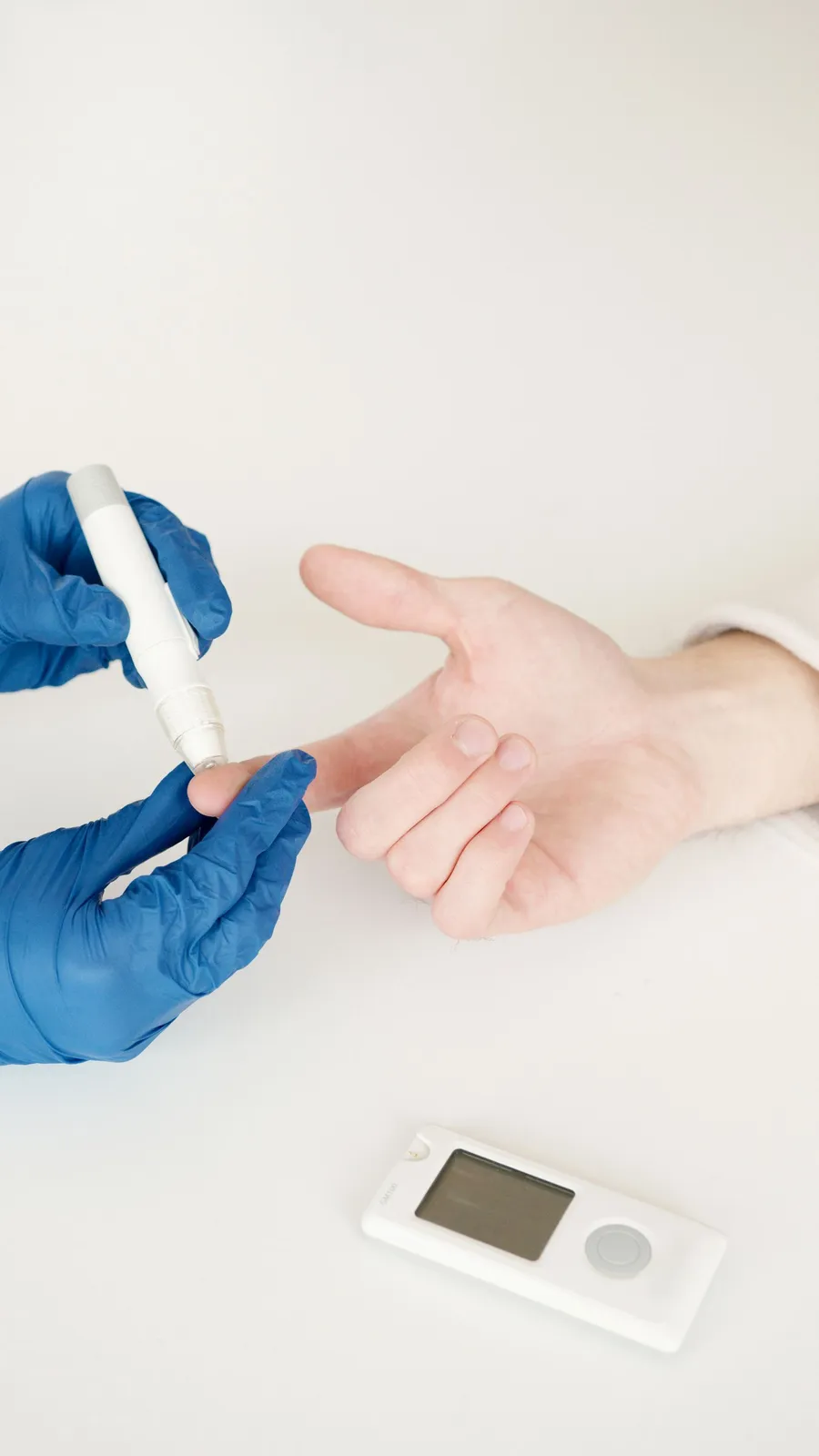
Diabetes is a chronic metabolic condition marked by difficulties in regulating blood-sugar levels, and it is regarded as a factor that can affect oral health, particularly the gum tissues. The interaction between gum disease and diabetes is a subject that is frequently discussed in light of current knowledge. This relationship covers both the possible effects of blood-sugar control on gum health and the possible effects of gum inflammation on blood-sugar balance.
Uzm. Dt. Emre Karakaya, as part of his work in the field of periodontology, is concerned with the effects of systemic conditions on gum health. The headings below have been prepared for general information and are not a substitute for a personal examination; each individual's situation is determined through a dentist's assessment.
The Link Between Diabetes and Gum Health
When blood sugar remains high over a long period in diabetes, it can affect the body's response to infections and its tissue-healing processes. In the mouth, this is associated with the gum tissues becoming more susceptible to bacterial plaque. When blood-sugar control is not adequately achieved, the likelihood of gum inflammation (gingivitis) and its advanced form, periodontitis, may increase; however, this varies from person to person.
Because high blood sugar can lead to changes in small blood vessels and in the functioning of immune cells, the support and defence reaching the gums may be weakened. For this reason, monitoring gum health in people with diabetes is considered part of overall health follow-up. Individual risk level, however, can only be determined through examination.
A Two-way Interaction
The relationship between diabetes and gum health is not one-directional. Just as blood-sugar control can affect the gum tissues, it is thought that long-standing and untreated gum inflammation may in turn increase the overall inflammatory burden in the body and unfavourably affect blood-sugar balance. This two-way interaction calls for oral health and metabolic health to be considered together.
Because advanced gum inflammation can cause damage to the supporting tissues surrounding the teeth, an appropriate assessment and, where necessary, a course of gum treatment may be planned. Whether bringing gum inflammation under control contributes to blood-sugar management varies from person to person and requires a dentist's assessment.
Oral Care for People with Diabetes
For people with diabetes, oral care is based on regular and effective tooth brushing together with cleaning between the teeth. Because conditions such as dry mouth (xerostomia) can be more pronounced in some individuals, arranging daily care habits in line with a dentist's recommendations is important. Keeping blood sugar in balance is also counted among the factors that contribute to protecting oral health.
Noticing changes such as redness or swelling of the gums, or bleeding during brushing, can be a guide for early assessment; general information on this subject is addressed under the symptoms of gum disease. The presence and significance of any symptoms, however, can only be clarified through examination.
The Importance of Regular Check-ups
In people with diabetes, regular dental check-ups are considered important for monitoring changes in gum health and for early intervention where needed. The frequency of check-ups may vary according to factors such as the person's blood-sugar status, gum health and general medical history, and is determined by the dentist. The sharing of information between the dentist and the physician managing diabetes follow-up can also contribute to the process being carried out in an integrated way.
This content is intended for general information and does not constitute a diagnosis or treatment recommendation. Results and the appropriate care plan vary from person to person; consult your dentist for accurate information.
This content is for informational purposes only and does not replace an examination by a dentist. The process and results vary from person to person.
Related Treatments
Write to us with your questions
You can get in touch via WhatsApp, phone or email for information about treatments and the process.