
Why Is Dental Scaling Important?

Summary
General information on how tartar forms, its effect on gum health, how often scaling may be performed, and aftercare.
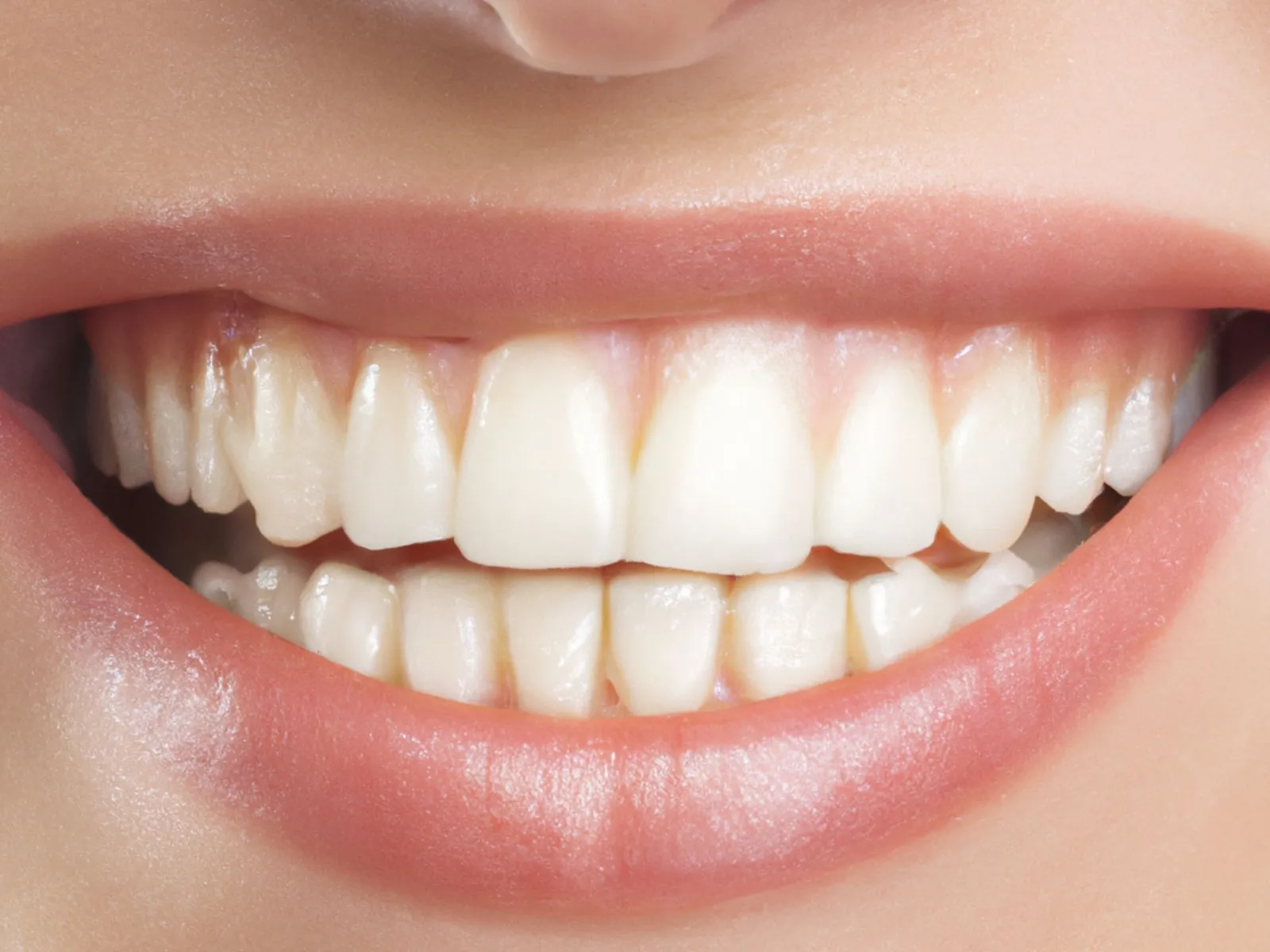
Dental scaling is a procedure that aims to remove the hard deposits (tartar) that build up on tooth surfaces and along the gum line using appropriate instruments, and it is considered one of the fundamental steps in protecting gum health. The headings below are intended for general information and are not a substitute for a personal examination.
As part of his work in periodontology, Uzm. Dt. Emre Karakaya deals with the assessment of gum health and the dental scaling process. This content outlines, in general terms, how tartar forms, its effects on the gums, and aftercare following cleaning.
How Does Tartar Form?
A thin, sticky layer made up of bacteria and components of saliva (bacterial plaque / biofilm) continuously builds up in the mouth. This plaque can largely be removed with regular and effective brushing. However, in areas that are not cleaned adequately, plaque can over time harden with the minerals in saliva and turn into tartar (calculus).
Unlike plaque, tartar has a hard structure and cannot be removed with home-care methods such as a brush or dental floss. It tends to accumulate more often along the gum line, on the surfaces where adjacent teeth face each other, and behind the lower front teeth. Because its surface is rough, it can make it easier for new plaque to adhere to it; for this reason, its removal is important for gum health.
The Effect of Tartar on Gum Health
Tartar and the plaque that accumulates on it can lead to a bacterial build-up along the gum line and trigger an inflammatory response in the gums. Initially this may appear as gum inflammation (gingivitis), which can show itself with signs such as redness, mild swelling and bleeding during brushing. Symptoms vary from person to person.
When plaque and tartar accumulation continues over a long period, the inflammatory process can progress toward the gums and the tissues that support the tooth. This more advanced stage is called periodontitis and may be associated with gum recession and loss in the supporting tissue. Regular removal of tartar is one of the fundamental steps in managing this process. An individual assessment is made through examination.
How Often Should It Be Done and Aftercare
How often dental scaling should be performed varies from person to person. Factors such as oral hygiene habits, the condition of the gums, and the tendency for plaque and tartar to build up play a role in determining this frequency. As a general approach, regular dental check-ups are recommended; the appropriate interval is assessed individually after examination.
After cleaning, temporary sensitivity may be felt along the gum line; this usually eases within a short time. To help maintain the results and the healing process, daily oral care remains important: brushing regularly with the correct technique, cleaning between the teeth, and the care habits recommended by your dentist support this process. Consult your dentist for accurate information and a care plan suited to you.
This content is for informational purposes only and does not replace an examination by a dentist. The process and results vary from person to person.
Write to us with your questions
You can get in touch via WhatsApp, phone or email for information about treatments and the process.