
Why Do Teeth Become Loose in Adults?

Summary
The most common cause of loose teeth in adults is periodontal tissue loss that develops as gum disease progresses; trauma, unbalanced bite forces and clenching or grinding habits (bruxism) can also lead to mobility. Loosening of a permanent tooth is not an expected process, and its underlying cause needs to be investigated. The cause, its degree and the appropriate approach vary from person to person; a definitive assessment requires a clinical examination.
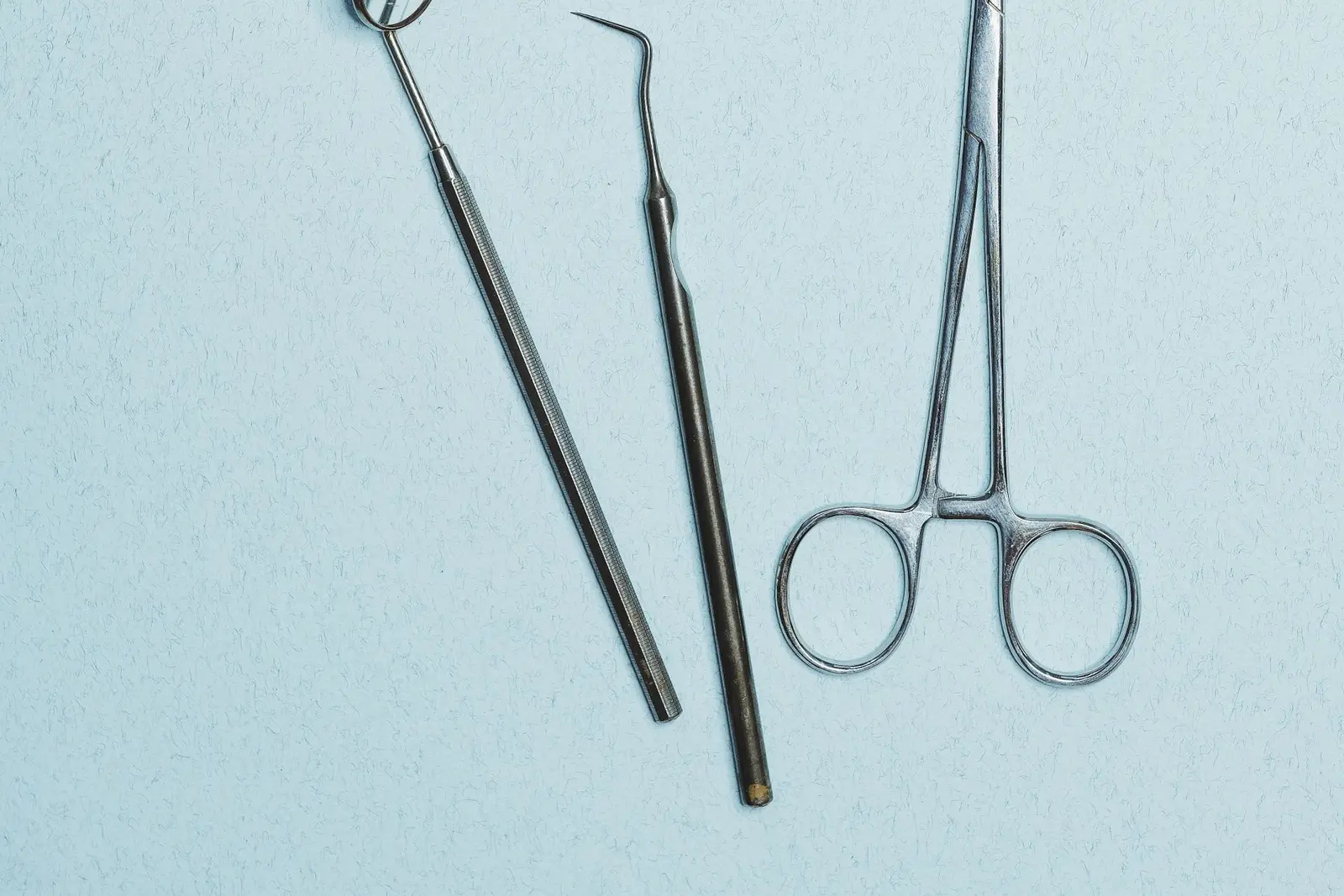
Noticing that a tooth feels loose is often unsettling for an adult. Unlike the natural loosening of baby teeth in childhood, mobility in permanent teeth is not an expected process; it usually appears as a sign of a problem in the tissues that hold the tooth in place. It may affect a single tooth or several; in both cases the cause needs to be investigated.
This article outlines the main causes of tooth mobility in adults, how the assessment is carried out and the general framework of treatment. The content is for information purposes; the cause of the mobility and the appropriate approach can only be determined through a clinical examination.
The structures that hold teeth in place
Each tooth is supported in its socket by four main structures: the gum, the cementum covering the root surface, the periodontal ligament connecting the tooth to the bone, and the alveolar bone surrounding it. Together these are known as the periodontium, and they keep the tooth stable under chewing forces.
Even a healthy tooth has a natural, barely perceptible degree of movement, made possible by the flexible structure of the periodontal ligament. Mobility that can actually be felt suggests that this natural limit has been exceeded — in other words, that something may have changed in the supporting tissues. Loosening is therefore treated not as a disease in itself but as a sign whose underlying cause needs to be looked into.
The most common cause: periodontal tissue loss
The most common cause of loose teeth in adults is the periodontal tissue loss that develops as gum disease progresses. Bacterial plaque and tartar accumulating on the tooth surface can sustain an inflammatory process at the gum line; over time this process may advance from the gum towards the bone holding the tooth, reducing its support. Factors such as smoking and diabetes are among the risk factors that can influence how this process unfolds.
As bone support decreases, the tooth may become more mobile under chewing forces. Signs such as bleeding, redness and gum recession often appear before any loosening; this picture is covered in detail in the symptoms of gum disease. Left untreated, periodontal disease can progress as far as tooth loss.
Trauma, bite forces and bruxism
Even when the supporting tissues are healthy, mobility can develop when the forces on a tooth exceed the usual range, either temporarily or over a longer period. Acute trauma such as a fall or a blow, or an unbalanced bite caused for instance by a filling or crown left high, can increase the load on a single tooth. In such cases the mobility may lessen over time once the source of the force is removed, though this is a process that calls for follow-up by a dentist.
Clenching and grinding habits (bruxism) also place prolonged forces of varying direction on the teeth. These forces may lead to mobility on their own, and in a tooth that has already lost periodontal support they can increase the existing movement. Distinguishing force-related mobility from mobility due to tissue loss requires clinical assessment.
Assessment by the dentist: examination and X-rays
The first step in assessing a loose tooth is a periodontal examination. The dentist measures the depth of the gum pockets with a special instrument (a periodontal probe), evaluates the condition of the gums and grades the degree of mobility. Findings related to the bite and to clenching habits are also part of this assessment. Mobility is usually recorded in grades; this record also provides a basis for monitoring change after treatment.
X-ray images show the level of the bone around the tooth and the extent of any loss; more detailed imaging may be requested where needed. When loosening is noticed, informing the clinic without waiting for the next routine visit is appropriate; an early assessment matters for addressing the situation before it advances.
The treatment approach in outline
Where the cause is periodontal tissue loss, the approach is based on periodontal treatment; the aim is to reduce the inflammatory environment at the gum line through methods such as scaling and root planing. In selected cases, splinting — supporting mobile teeth by joining them to neighbouring teeth — may be considered; whether it is suitable depends on the amount of tissue loss and the overall condition of the teeth, as judged by the dentist. Where bruxism is involved, appliances designed to protect the teeth from night-time forces may also be considered, and reviewing the bite can form part of the planning.
There is no single answer to whether a loose tooth can be kept; it depends on the level of loss in the supporting tissues, the degree of mobility and overall oral health. Where a tooth cannot be preserved, how the resulting gap will be addressed is planned separately; at that stage the treatment options for missing teeth, including implants, are considered together.
In Summary
Tooth mobility is a sign that can arise from different causes, from periodontal tissue loss to trauma, bite forces and bruxism. Its cause, its degree and the appropriate approach vary from person to person; a similar degree of movement can mean different things in two different people. Assessing the sign early matters, as it allows the situation to be considered while more options remain open.
This content has been prepared for general information purposes and does not replace a clinical examination; for accurate information and an individual assessment of a loose tooth, consult your dentist.
Questions About This Article
There is no single answer; whether the tooth can be preserved depends on the level of loss in the supporting tissues, the degree of mobility and overall oral health. An early assessment allows the options to be considered while more of them remain open; consult your dentist for accurate information.
Where the mobility is force-related — a filling left high or a blow, for instance — it may lessen over time once the source of the force is removed, though this calls for follow-up by a dentist. Where the cause is periodontal tissue loss, the approach is based on periodontal treatment; the distinction requires clinical assessment.
Splinting means supporting mobile teeth by joining them to neighbouring teeth. It is not applied in every case; whether it is suitable depends on the amount of tissue loss and the overall condition of the teeth, as judged by the dentist.
Where periodontal tissue loss is involved, signs such as bleeding, redness and gum recession often appear before any loosening. Having such signs assessed early matters, as it allows the situation to be addressed before it advances; consult your dentist for an examination.
This content is for informational purposes only and does not replace an examination by a dentist. The process and results vary from person to person.
Write to us with your questions
You can get in touch via WhatsApp, phone or email for information about treatments and the process.