
At-Home Tartar Removal Devices: What They Do and Do Not Do

Summary
General information on what at-home tartar removal devices reach on the visible surface, what stays below the gum line and how clinical scaling differs.
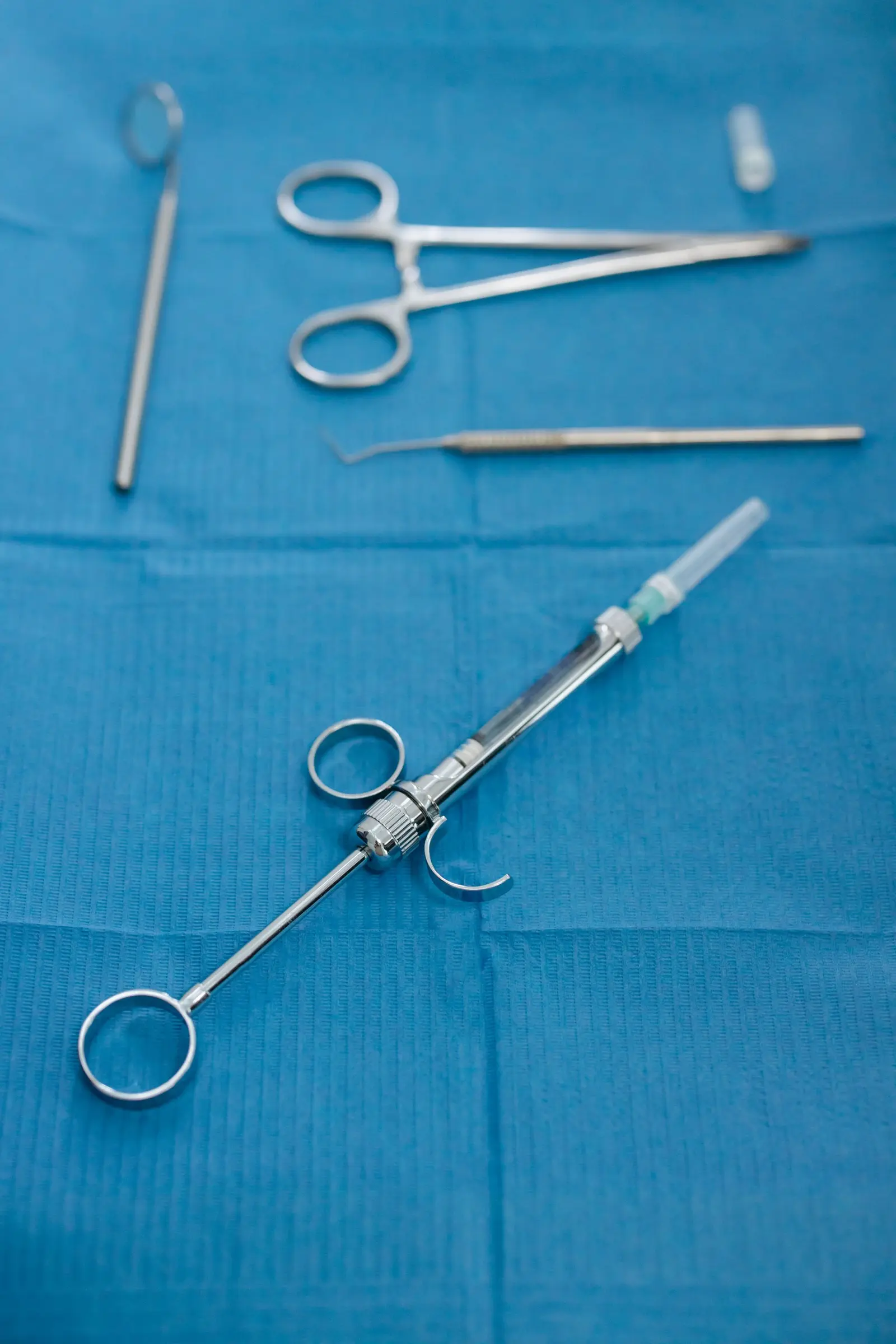
Rechargeable tartar removal devices and metal scalers are widely searched for. The interest makes sense: many people would like to deal with the hard deposit on their teeth at home.
The aim here is not to dismiss these products, but to describe what they do and do not do. Why tartar removal is treated as a clinical procedure is outlined in the sections below.
Why Brushing Does Not Remove Tartar
Plaque is a soft, sticky bacterial film that builds up through the day and can be removed by brushing and interdental cleaning. The trouble starts when it is left in place.
Minerals in saliva settle into the film and gradually harden it. The resulting deposit, dental calculus, attaches firmly to the tooth surface, and brush filaments then pass over it without lifting it.
What Happens With Home Devices?
These devices usually work with vibrating tips or metal scalers and may remove part of the deposit on the visible surface. Surface staining and hard deposit, however, are not the same thing.
What you see in a mirror is a small share of the total tooth surface in the mouth. Deposit between the teeth, in the back regions and on the tongue side cannot be judged by eye.
Below the Gum Line: Where Devices Cannot Reach
The deposit that matters most periodontally sits below the gum margin, inside the pocket. It is not visible; its presence and depth are assessed during an examination with a periodontal probe.
Home devices are not designed to reach that area in a controlled way. When subgingival deposit stays, inflammation can continue, and a picture calling for gum treatment may go unnoticed for longer.
What Can Happen With Self-Scaling
During uncontrolled scraping with a metal tip, scratching can be seen on the enamel or on root surfaces exposed by gum recession. A roughened surface may favour new plaque accumulation.
Contact with the gum margin can cause trauma and bleeding there. Removing only part of the deposit may also create a false sense of reassurance while the underlying situation continues.
Where Do Water Flossers and Interdental Aids Fit?
Water flossers and interdental brushes are often discussed alongside these devices, but they do not detach hardened deposit. Their role is different: by contributing to daily plaque control, they can help reduce the basis on which new calculus forms.
What can realistically be done at home is slowing the change from plaque into calculus, and that rests on regular brushing and interdental cleaning.
What Is Done Differently at the Clinic?
In the clinic, ultrasonic instruments and hand instruments are used together. Deposit below the gum margin is reached in a controlled way, with pocket depth measured and tips selected for the region.
Afterwards the response of the gum tissue is assessed again and a further session is planned if needed. That reassessment is a step home use cannot provide.
An Examination for Assessment
If these devices are on your mind, knowing the current situation in your mouth comes first: where the deposit sits, and whether anything remains below the gum margin, can only be seen at an examination.
If you notice bleeding, deposit or sensitivity at the gum margin, you can request an appointment for an assessment. This content is for general information; advice for your own situation comes from your clinician.
This content is for informational purposes only and does not replace an examination by a dentist. The process and results vary from person to person.
Write to us with your questions
You can get in touch via WhatsApp, phone or email for information about treatments and the process.