
Recovery and Follow-up After Jaw Cyst Surgery

Summary
General information on the first days after jaw cyst surgery, suture checks, discussing the pathology result with your clinician and the radiographic follow-up schedule.
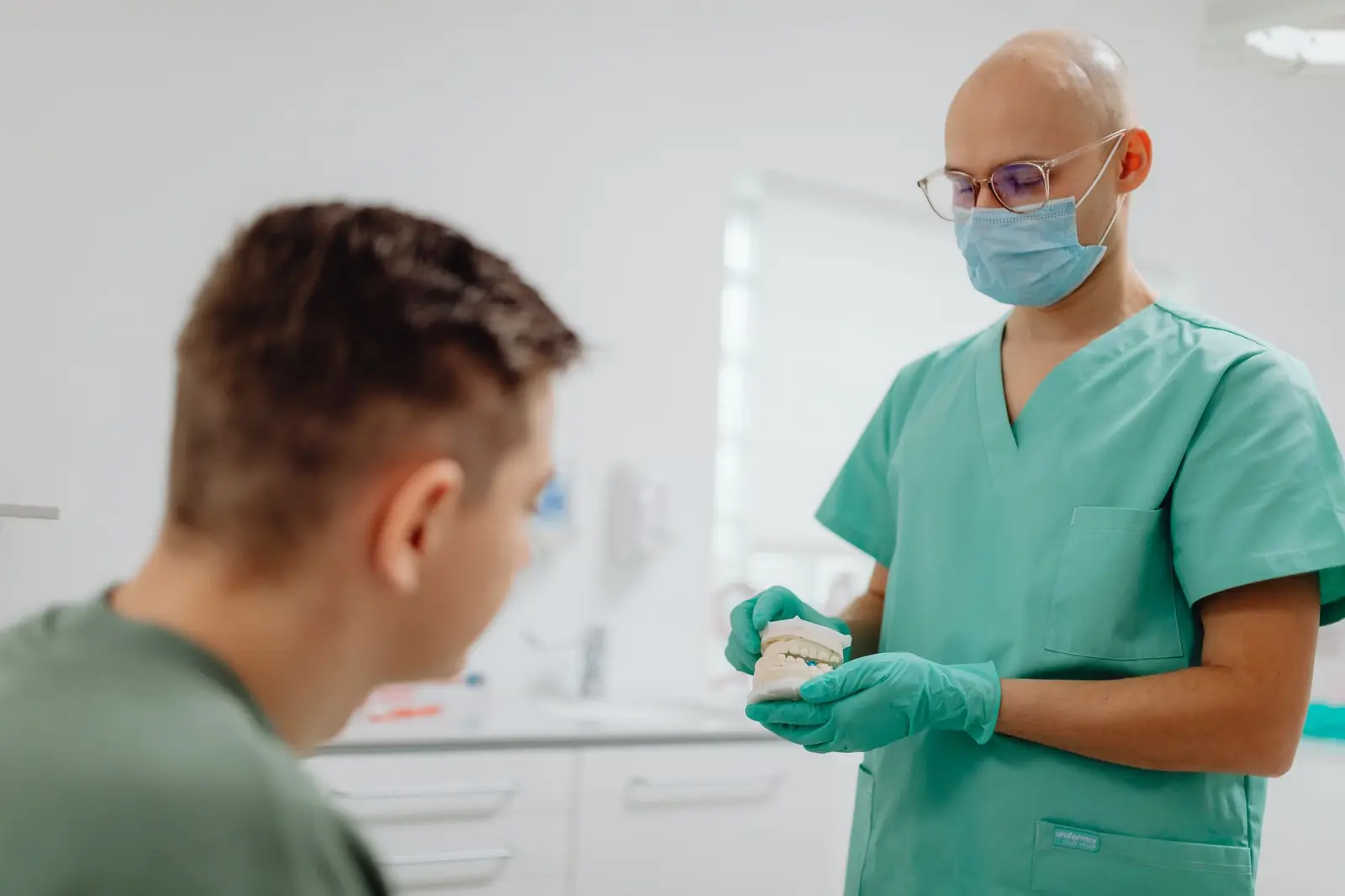
The period after a jaw cyst is surgically removed is one of the subjects patients ask about most: how does healing progress, what happens to the sutures, when do the results arrive? Recovery usually follows a predictable course, but how it unfolds depends on the cyst's size and location and on the method used.
This article outlines the healing period after jaw cyst surgery, the discussion of the pathology result and the radiographic follow-up routine; the surgical methods themselves are described in a separate article. The headings below offer a general framework; the recommendations that apply to you come from your own clinician.
The First Days and the Sutures
In the first days after the procedure, swelling, mild pain and occasional bruising are normal and usually tend to subside after the initial days. Applying cold as recommended, choosing soft and lukewarm foods and protecting the surgical area are advised, along with avoiding vigorous rinsing and postponing heavy physical activity at first.
The surgical site is usually closed with sutures, which may dissolve on their own or be removed at a follow-up visit depending on the type used; your clinician will tell you which applies and when the check-up takes place. That visit also assesses the general course of healing. Oral hygiene should continue, with the surgical area approached gently as described by your clinician.
The Pathology Result and Radiographic Follow-up
The tissue removed during surgery is sent for pathological examination to confirm the diagnosis — a routine, complementary part of the operation. The examination clarifies the type of the lesion and guides the follow-up plan. When the result is ready, going over the report together with your clinician is recommended.
The filling of the cyst cavity with new bone takes time, and its progress is monitored with radiographs at certain intervals; in larger cysts this process may require longer observation. The intervals are set by the clinician according to the cyst's type and size and the pathology result, and attending the appointments regularly matters for assessing whether healing is progressing as expected.
When Should You Contact the Clinic?
Unlike the swelling and mild pain of the first days, findings such as increasing pain and swelling, bleeding that does not stop, fever, a bad taste with discharge, or opening of the suture line call for contacting the clinic without waiting. They do not always point to a problem, but the assessment should be made by a clinician.
Temporary numbness in the lip can occur after procedures in areas of the lower jaw close to the nerve; if the sensation lasts longer than expected, your clinician should be informed as well. Healing varies from person to person; this content is for general information, and you should consult your clinician about your own situation.
This content is for informational purposes only and does not replace an examination by a dentist. The process and results vary from person to person.
Reading this while planning treatment in Turkey? See the Denizli visit planner and the dental tourism guides.
Related Treatments
Write to us with your questions
You can get in touch via WhatsApp, phone or email for information about treatments and the process.