
Why Do Jaw Cysts Often Cause No Symptoms?

Summary
Jaw cysts can grow for a long time without causing symptoms and are often discovered by chance on routine X-rays. Why they stay silent and why follow-up matters.
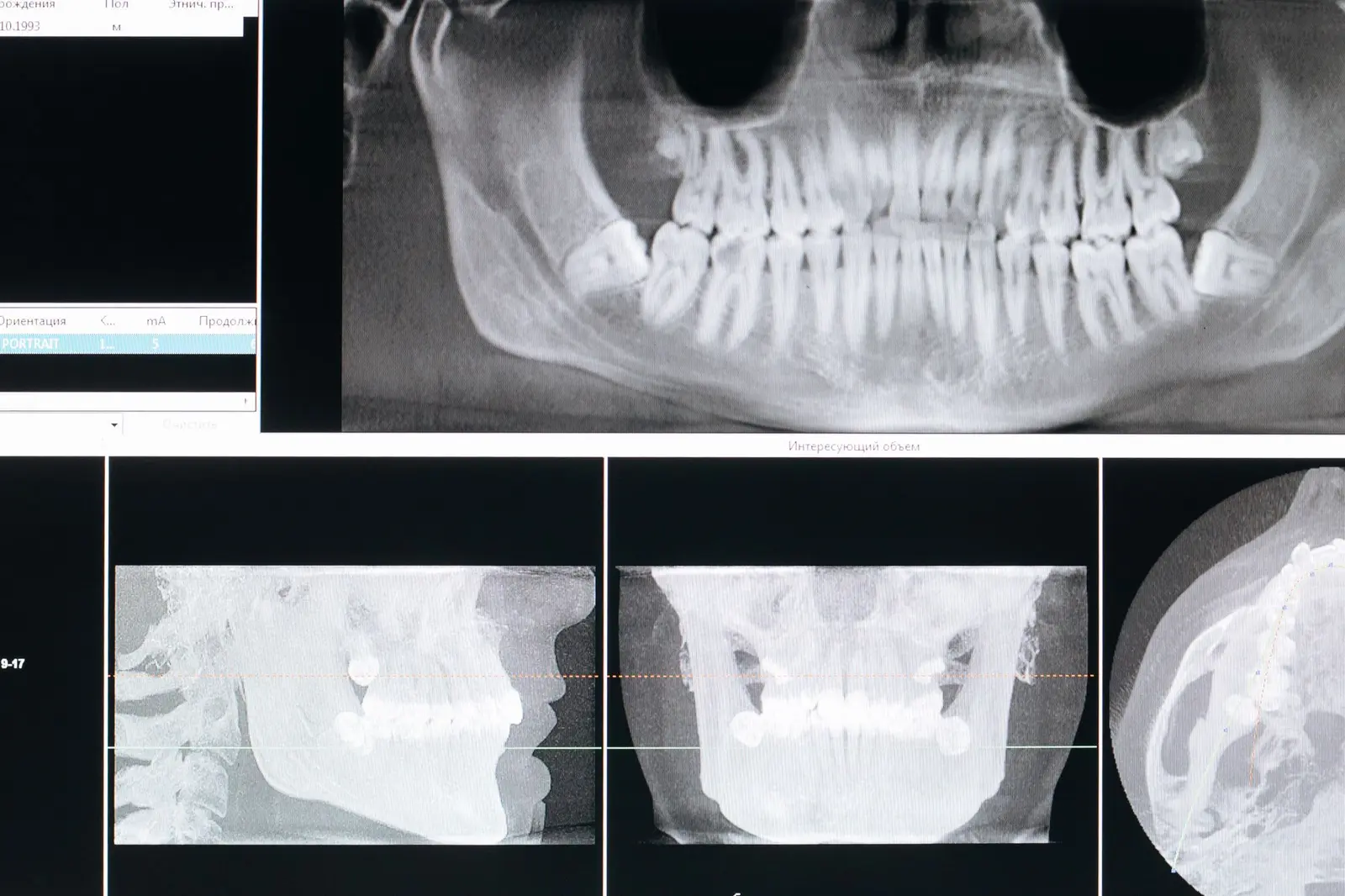
Many of the cysts that develop within the jawbones can exist for a long time without causing any complaints. This surprises people, since a growth in the mouth is expected to hurt or swell. Yet the absence of symptoms only means the process is progressing silently — and many jaw cysts are noticed by chance on X-rays taken for entirely different reasons.
This article looks at why jaw cysts so often follow a silent course, how they are detected and why follow-up matters even without symptoms. General information on cyst types and diagnosis can be found in the article introducing jaw cysts. The content is for information purposes; individual assessment requires examination and imaging.
Discovered by Chance on Routine X-rays
The main reason jaw cysts stay silent lies in how they grow. Most enlarge slowly, making room for themselves within the bone; because no sudden pressure change occurs to stimulate the nerve endings, pain may not be felt. While the cyst is small, nothing looks different from the outside either.
As a result, many cysts are detected incidentally on panoramic X-rays taken for another purpose, such as a decay check, implant planning or the evaluation of an impacted tooth. On the radiograph the cyst typically appears as a darker area with definable borders within the bone; what it actually represents is clarified through further investigation and, where needed, tissue examination.
Signs That May Appear in the Later Period
As a cyst grows, certain signs may appear: a swelling felt on the jawbone or noticed in the facial contours; displacement, spacing or loosening of the teeth; a change in how a denture fits. In areas of the lower jaw close to the nerve, numbness in the lip is another possible late finding.
If the cyst becomes inflamed, pain, swelling and sometimes a discharge opening into the mouth may develop; this is often the first complaint that brings a person to the dentist. How these findings unfold depends on the type, location and size of the cyst — which is why early detection through regular check-ups is preferred over waiting for late signs.
Why Follow-up Matters Even Without Symptoms
The absence of symptoms does not mean a cyst requires no attention. As cysts enlarge they can affect the position of neighboring tooth roots and lead to thinning of the surrounding bone; these changes can be followed radiographically at regular intervals. Lesions detected early can often be managed with more limited interventions.
How a radiographic finding is handled — observation or surgical treatment — is decided by the clinician according to the cyst's type, location and size. Regular dental visits play an important role in noticing such silent formations early. Outcomes vary from person to person; consult your dentist for accurate information.
This content is for informational purposes only and does not replace an examination by a dentist. The process and results vary from person to person.
Reading this while planning treatment in Turkey? See the Denizli visit planner and the dental tourism guides.
Related Treatments
Write to us with your questions
You can get in touch via WhatsApp, phone or email for information about treatments and the process.