
Complications in Implant Treatment and Removal of an Implant

Summary
Failure of an implant to integrate with bone can arise in the early stage, and inflammation of the surrounding tissues in the late stage; where found necessary, an implant can be removed. The decision rests on clinical and radiographic findings, and removal is generally done under local anaesthesia. Findings vary from person to person; consult your dentist if you notice movement, bleeding or continuing discomfort around an implant.
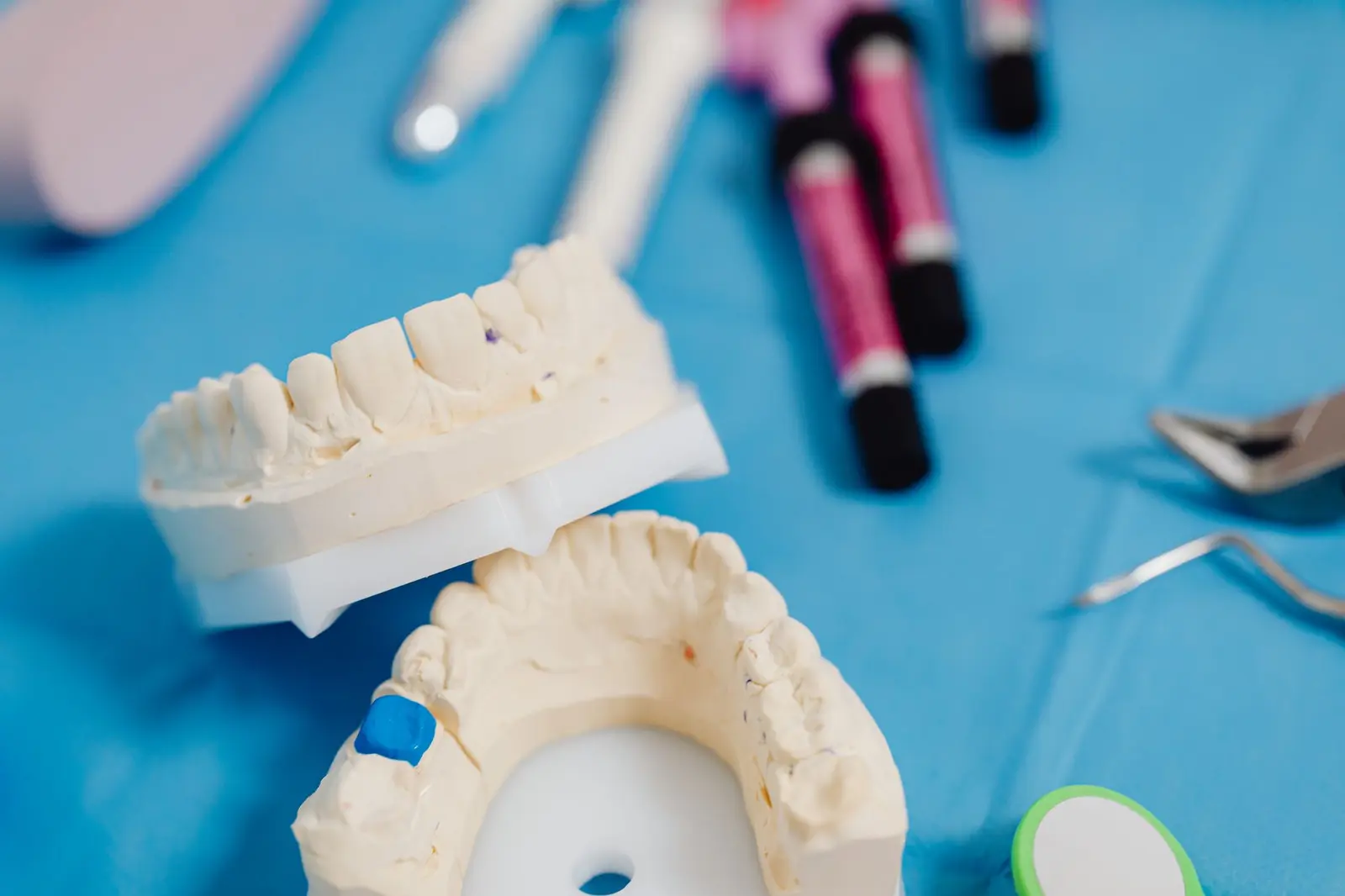
Talk about implant treatment tends to centre on the placement appointment. The process runs longer: following healing, assessing surrounding tissues, revisiting the plan. Implant surgery is covered separately.
This article describes what can arise along the way, and when removing an implant is discussed. The information is general; your own case is assessed at an examination.
Early and Late Stages: Two Different Pictures
Implant topics are usually looked at over two stages. Early on, the question is whether the implant has integrated with bone as expected, across the healing weeks after placement.
Later the picture differs: integration has occurred and the implant is in function. The subject becomes whether supporting tissues hold up over time, which shapes the examinations requested.
Findings Watched for in the Early Stage
Mild tenderness while healing can be ordinary. A sense of movement, discomfort that continues, or soft tissue not healing as expected are findings that call for separate assessment.
On their own these do not mean integration has failed; similar signs have other causes. Rather than waiting, book a check-up so the site can be examined.
The Topic Raised Most in the Late Stage
Once integration is complete, the topic raised most is the inflammatory process that can develop in the tissues around an implant. It is set out in peri-implant inflammation.
In short, supporting tissue can reduce over time, and may progress without a clear complaint. Gum measurements, and radiographs where necessary, therefore form part of regular check-ups.
Other Points of Assessment
The relationship with neighbouring structures, the nerve canal below and the sinus cavity above, is assessed with three-dimensional imaging while planning, guiding implant position and size.
In function, a screw may loosen, components may wear, or the gum margin may recede. Most of this does not call for removal; it is handled in place once identified.
Can an Implant Be Removed, and When?
A common question is whether an implant can be taken back out. It can, where that is found necessary, as a conclusion drawn from clinical and radiographic findings together.
Removal may be considered where integration has not occurred, where supporting tissue has reduced markedly, or where position needs revisiting. It is generally done under local anaesthesia.
What Happens After Removal?
After removal, a period is allowed for the site to heal. How long varies with the procedure, the tissue present and the person's general health.
Bone volume is then assessed again; where insufficient, bone grafting may be planned. Whether a new implant suits, and its timing, is decided from that assessment.
What Is Done to Reduce the Risk
Examining bone with imaging while planning, and treating existing gum disease first, both shape how things go. Where necessary, gum treatment is completed before implant planning.
Smoking can affect healing and the surrounding tissues, so it is worth discussing openly. Daily cleaning and check-ups at the intervals set for you remain part of follow-up.
When to Have Things Assessed
If you notice movement, bleeding, swelling or continuing discomfort around an implant, book an appointment. These do not point to one conclusion; what they mean is determined at an examination.
This content is general information and does not replace an examination. To have existing implants reviewed you can arrange an appointment and begin with clinical and radiographic assessment.
This content is for informational purposes only and does not replace an examination by a dentist. The process and results vary from person to person.
Reading this while planning treatment in Turkey? See the Denizli visit planner and the dental tourism guides.
Write to us with your questions
You can get in touch via WhatsApp, phone or email for information about treatments and the process.