
Immediate Implants After Extraction and Immediate Loading

Summary
An immediate implant is placed into the extraction socket in the same session as the tooth extraction, while immediate loading means fitting a temporary superstructure onto the implant within the first days after placement. These approaches are not applied in every extraction case; bone condition, the presence of infection and primary stability vary from person to person. Suitability is determined through clinical and radiographic assessment, so consult your dentist.
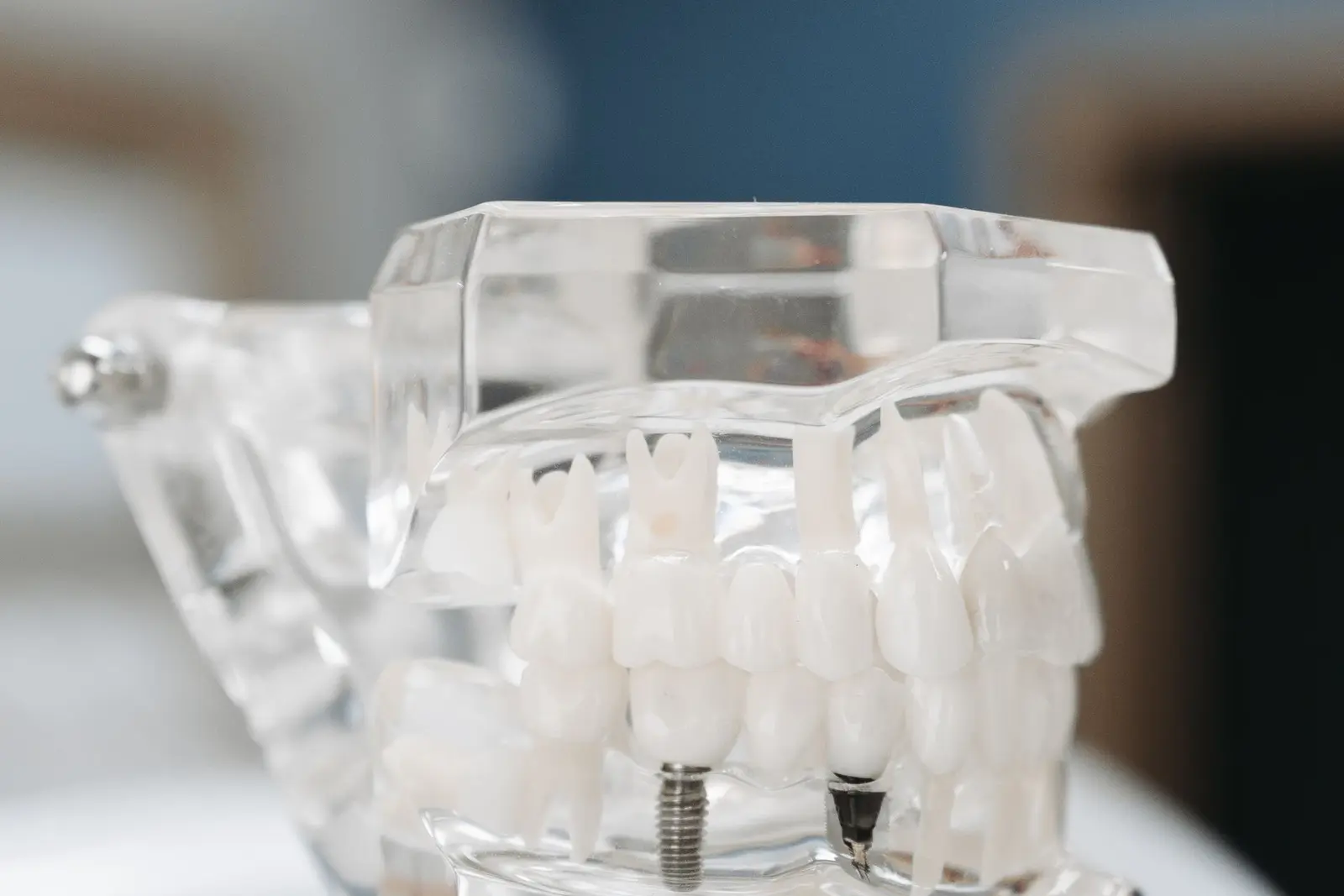
How long to wait for an implant after a tooth extraction is a common question among people looking into implant treatment. In some situations the implant may be placed in the same session as the extraction, and in some situations a temporary superstructure may be fitted onto the placed implant at an early stage. These approaches are known as immediate implant placement and immediate loading.
This article outlines what the two concepts mean, under which conditions they are considered and how they differ from the conventional delayed protocol. The content is for information purposes; whether either approach is suitable can only be determined through a clinical and radiographic assessment.
What Is an Immediate Implant?
An immediate implant refers to placing the implant into the extraction socket in the same session as the extraction. In the classical approach the bone is allowed to heal after the extraction and the implant is placed in a separate session; in immediate placement, extraction and implant placement are combined in a single surgical procedure.
The term concerns surgical timing only; it does not mean a tooth is fitted onto the implant right away. In most cases an immediately placed implant still waits for the period of integration with the bone before the superstructure is made. The approach is not possible in every extraction case; the condition of the socket and the surrounding bone is decisive. Since the shape of the socket and the shape of the implant do not match exactly, how the remaining gaps around the implant are handled is also part of this assessment.
What Is Immediate Loading?
Immediate loading describes fitting a temporary superstructure onto the implant within a short period after placement, usually within the first days. Loading here means that chewing forces begin to reach the implant through a crown or prosthesis. The timing of loading is not a single mould; alongside immediate loading, periods described as early loading and conventional (delayed) loading have also been defined.
Immediate implant placement and immediate loading are not interchangeable terms; one describes the timing of the surgery, the other the timing of the prosthetic stage. Where immediate loading is applied, the temporary superstructure is usually designed to be protected from chewing forces and does not replace the final prosthesis. Concepts in which several implants are joined together, such as the full-arch implant-supported fixed prosthesis, are among the areas where it may come up.
Under Which Conditions Is It Considered?
For an immediate implant to be considered, the bone at the extraction site is expected to have enough volume and density to hold the implant at the initial stage. The integrity of the socket walls, whether there is an active infection in the area, and whether the implant grips firmly enough at the moment of placement — primary stability — are the main headings of the decision. In the aesthetic zone, the gum level and the shape of the tissue are also taken into account in planning.
Primary stability is also decisive for immediate loading; early loading is not considered for implants that do not reach sufficient initial hold. General health, smoking, clenching habits and the forces coming from the opposing teeth are also weighed together during implant surgery planning. The presence and weight of these factors vary from person to person.
How It Differs from the Delayed Protocol
In the conventional approach, a healing period is allowed for the socket to fill with bone after the extraction; the implant is placed after this period, and the integration process is completed separately before moving on to the superstructure. The steps from examination to the fitting of the prosthesis are covered as a whole in the dental implant treatment process.
In immediate protocols some of these stages are combined in the same session and the treatment timeline runs differently. This does not mean one protocol is superior to another; each has its own conditions, behaviour and limits. Which route is followed is determined by the features of the case; immediate protocols are considered as an option only in cases found suitable. Intermediate approaches that place the implant a few weeks after the extraction have also been defined; whatever the naming, the common point is that timing is planned case by case.
How the Decision Is Made
The decision rests on a clinical examination together with radiographic assessment. Where needed, three-dimensional imaging is used to examine bone volume, density and the neighbouring anatomical structures; any signs of infection around the tooth to be extracted are also part of the planning.
Even when planned in advance, the final decision often becomes clear during the extraction itself; the state of the socket walls and the stability the implant reaches can only be seen at the time of the procedure. For this reason, switching to the delayed protocol when conditions are not found suitable is a normal outcome, discussed from the start as part of the planning.
In Summary
Immediate implant placement and immediate loading are timing approaches that can be considered when suitable conditions come together; they are not applied in every extraction case. Bone condition, the presence of infection and primary stability vary from person to person; even in the same person, different timings may be found suitable for different sites.
This content has been prepared for general information purposes and does not replace an individual assessment; consult your dentist for accurate information on which protocol is suitable.
This content is for informational purposes only and does not replace an examination by a dentist. The process and results vary from person to person.
Reading this while planning treatment in Turkey? See the Denizli visit planner and the dental tourism guides.
Write to us with your questions
You can get in touch via WhatsApp, phone or email for information about treatments and the process.