
Teeth Grinding and Clenching (Bruxism): Signs and Possible Effects

Summary
Bruxism can show itself through morning jaw fatigue, tooth sensitivity and wear: a general guide to its possible factors, its effects on teeth and implants, and the night guard.
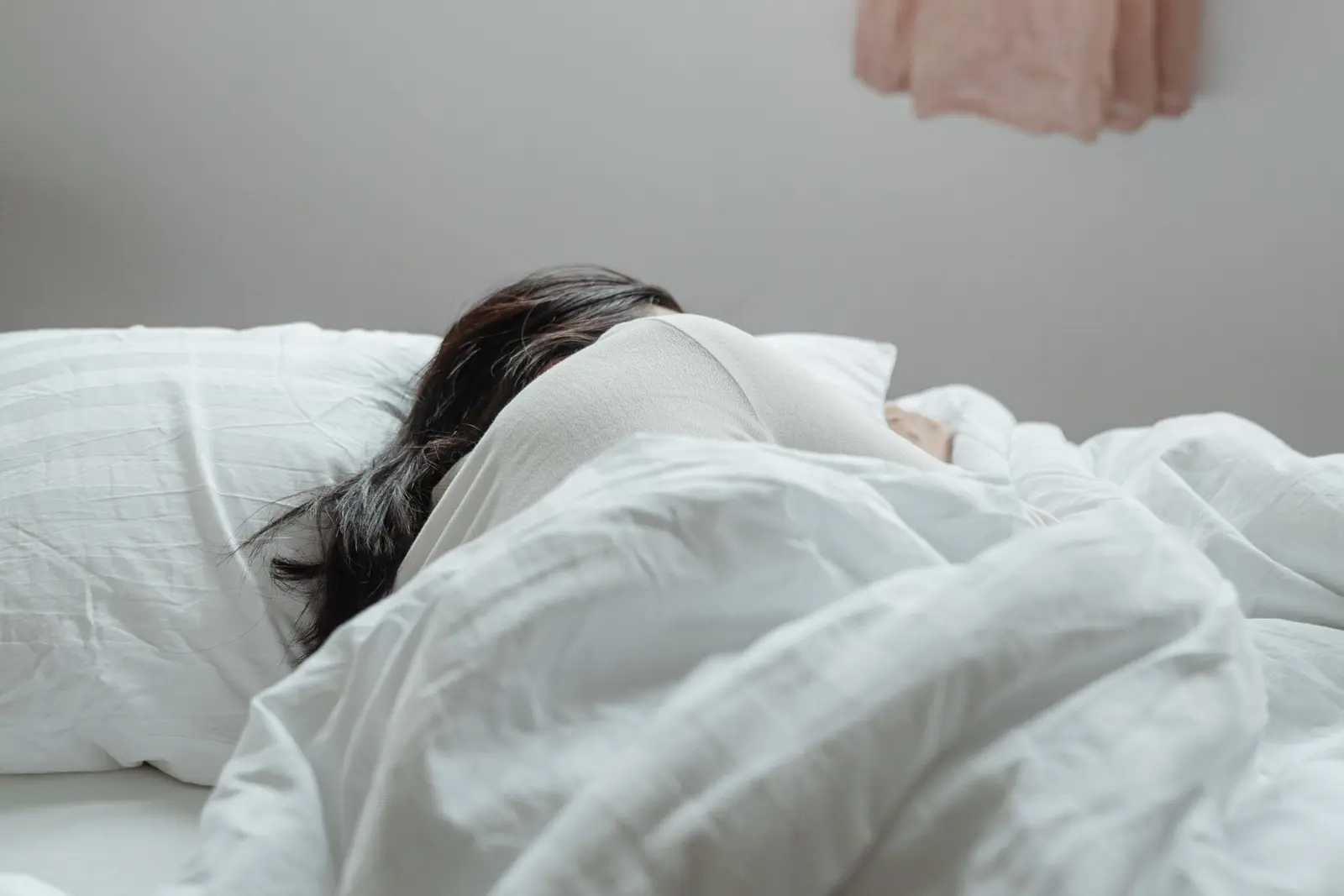
Teeth grinding and clenching, known in dentistry as bruxism, describes bringing the teeth into contact outside of chewing. Because it often occurs during sleep, the person may not be aware of it; the grinding sound noticed by others or a feeling of jaw fatigue in the morning is often the first clue.
This article outlines the main signs of bruxism, its possible contributing factors, its potential effects on the teeth, gums, jaw joint and implant-supported prostheses, and the concepts of dental assessment and the night guard. The content is for information purposes; an individual assessment can only be made through an examination.
What Signs Can Point to Bruxism?
Fatigue or tightness in the jaw muscles on waking, sometimes with an ache spreading towards the temples, is among the frequently described signs of clenching during sleep. Unconscious clenching during the day can lead to similar complaints. In some people there is no obvious complaint at all, and the condition is noticed only through findings during a dental examination.
Increased sensitivity of the teeth to hot and cold may accompany the picture; this topic is covered in detail in tooth sensitivity. Flattening and wear on the tooth surfaces, fine crack lines in the enamel, chipping at the edges of fillings and bite marks on the inside of the cheeks are among the findings that may be seen. The type and severity of the signs vary from person to person.
Possible Factors: Stress, Sleep and the Bite
Bruxism does not have a single cause; several factors are thought to play a role together. Stress and tension in daily life are among the most frequently considered factors. Grinding during sleep is assessed as a separate topic related to sleep structure and may be seen together with snoring or fragmented sleep.
Factors inside the mouth, such as the way the teeth meet, missing teeth, or fillings and crowns left high, can also affect how the jaw muscles work. High caffeine intake, smoking and certain medications are also considered in relation to bruxism. Which factor plays what role varies from person to person and can only be understood through assessment.
Possible Effects on the Teeth, Gums and Jaw Joint
Constant, forceful contact can wear the enamel over time; the chewing surfaces may flatten and the biting edges become thinner. Under heavier loading, cracks in the teeth and fractures in fillings and crowns may be seen. As wear deepens, the inner layers of the tooth may become exposed and sensitivity may increase.
Excessive force can also be transmitted to the supporting tissues around the tooth; changes at the gum line related to overloading and gum recession may join the picture. On the jaw joint side, complaints such as sounds when opening and closing the mouth, morning stiffness and pain in front of the ear may be seen. Whether these findings are related to bruxism is assessed through examination.
Why It Matters for Implants and Prostheses
Natural teeth can cushion incoming forces to some extent thanks to the ligament around the root. Implants are in direct contact with the bone and do not have this flexibility, so the loads generated by clenching are transmitted more directly to the superstructure. This can be associated with mechanical problems such as porcelain fractures or screw loosening.
For this reason, it is important that a clenching habit is shared with the dentist by those planning or having completed implant treatment; planning and the frequency of check-ups can be arranged accordingly. Daily cleaning of the tissues around the implant and regular check-ups are detailed in care after implant treatment.
Dental Assessment and the Night Guard
Assessment covers examination of the level of wear on the teeth, the jaw muscles and the jaw joint, supported by imaging where considered necessary. The aim is to consider the findings together with the factors that may be contributing. When morning jaw fatigue or unexplained wear on the teeth is noticed, it is appropriate to inform the clinic.
A night guard is an appliance placed between the teeth during sleep, intended to keep them apart and prevent the surfaces from rubbing directly against each other. It does not stop the clenching itself; it is a protective approach aimed at reducing the effect of the forces on the teeth, fillings and prostheses. It is made from an individual impression, and whether it will be used and its design are determined through the dentist's assessment.
In Summary
Teeth grinding and clenching can continue unnoticed for a long time, and its effects can extend from the teeth to the jaw joint and implant-supported prostheses. The severity of the signs, the underlying factors and the appropriate approach vary from person to person.
This content has been prepared for general information purposes and does not replace an individual assessment; consult your dentist for accurate information.
This content is for informational purposes only and does not replace an examination by a dentist. The process and results vary from person to person.
Write to us with your questions
You can get in touch via WhatsApp, phone or email for information about treatments and the process.