
Who Can Have Dental Implants?

Summary
Dental implants can be considered for many adults whose jaw growth is complete and whose general health allows surgery; suitability is decided not from a fixed list but through an overall examination and imaging. Bone volume, gum health, chronic conditions, certain medications and smoking usually shape the plan and its timing rather than ruling treatment out. Suitability varies from person to person; consult your dentist for an individual assessment.
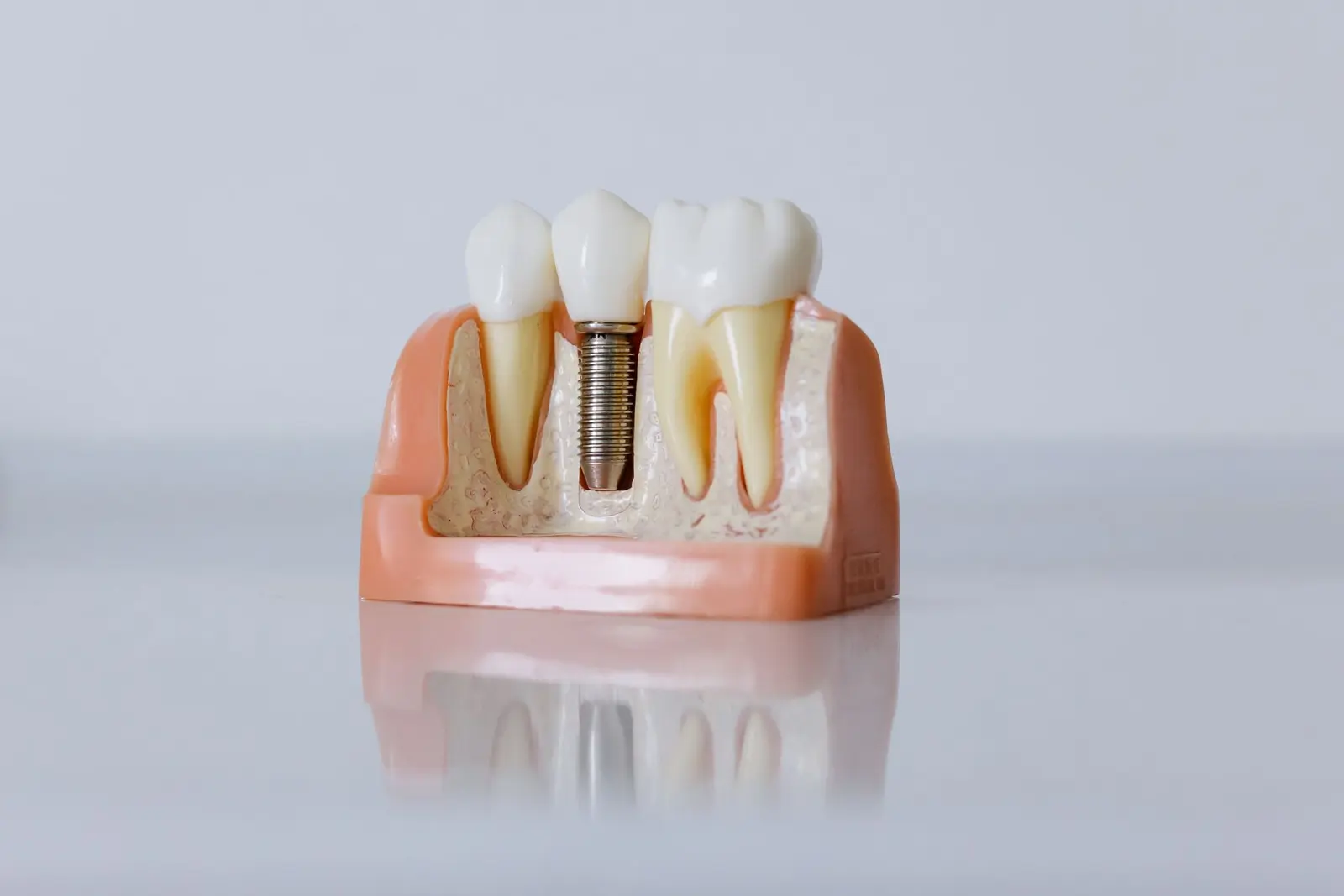
Dental implants are one of the options commonly considered for replacing missing teeth. Even so, one of the most frequent search queries is 'who cannot have dental implants'. There is no one-sentence answer, because suitability is not decided from a fixed list but through an overall assessment of the mouth and general health.
General health, jawbone volume, gum health, age, smoking and certain medications are the main headings of this assessment. The key point is that most of these are not obstacles but topics that shape the planning. The steps of treatment from examination to the final prosthesis are covered in the dental implant treatment process; this article focuses on the suitability assessment itself. The content is for information purposes; an individual assessment can only be made through an examination.
How Is Suitability Assessed?
Planning starts with a clinical examination. The area of the missing tooth, the neighbouring teeth, the bite and the condition of the gums are examined; where needed, three-dimensional imaging is used to assess bone volume, density and anatomical structures such as the sinus and nerves. This preparation before implant surgery determines how each area will be approached.
The aim is not to label a person as 'suitable' or 'unsuitable'. In some cases planning can begin directly; in others, a preparatory procedure, further tests or an exchange of views with the relevant physician may come first. Most of the headings encountered do not remove the option of treatment; they influence its timing and its plan.
General Health and Medications
Since implant placement is a surgical procedure, general health is a natural part of the planning. Chronic conditions that are under control often do not change the plan on their own; conditions such as poorly controlled diabetes, on the other hand, can affect wound healing and the tissues around the implant, and therefore call for additional assessment. In such situations the dentist may coordinate the timing together with the relevant physician.
Certain medications that affect bone turnover, such as bone medications used in the treatment of osteoporosis, can also influence healing in the jawbone. Implant treatment is not automatically ruled out for people using these medicines; the decision takes the type, dose and duration of the medication into account, in cooperation with the physician who manages it. Sharing a complete list of medications during the examination is therefore important.
Jawbone Volume and Quality
For an implant to be positioned as planned, sufficient bone volume is needed in the area. This volume may have decreased because of teeth that have been missing for a long time, previous gum disease, or the natural loss of bone after an extraction. The condition of the bone is assessed with imaging.
Finding the bone volume insufficient does not by itself remove the implant option. Depending on the location and extent of the deficiency, preparatory procedures such as bone grafting or raising the sinus floor in the upper jaw (sinus lifting) can be considered. Whether they are needed, and how they are planned, is decided by the dentist according to the structure of the area.
Gum Health
The health of the tissues around an implant is closely related to the health of the gums around the natural teeth. If an implant is placed while active gum disease is present, the tissues around it may be affected by similar inflammatory processes. Gum health is therefore an assessment heading in its own right.
When active gum disease is found, periodontal treatment is usually completed first and oral care habits are reviewed; implant planning follows once this basis is in place. Although this may look like a delay, it matters for the long-term health of the tissues around the implant.
Age and Smoking
In young individuals the growth of the jaws may not yet be complete; an implant placed while growth continues cannot follow the developing jaw and may lose its alignment with the neighbouring teeth. Implant planning is therefore generally considered after growth and development are complete. Advanced age, on its own, is not an assessment barrier; general health matters more than the age on the calendar.
Smoking is one of the factors that can affect wound healing, the gum tissues and the bone around an implant; the subject is covered in detail in the effect of smoking on gum health. Implant treatment is not off the table for people who smoke; the possible effects are discussed during the examination and recommendations are planned individually.
In Summary
None of the headings discussed here leads to a definite outcome on its own; how decisive each factor is varies from person to person. Even two people with the same diagnosis may differ in bone structure, oral care and overall health, so the decision on suitability is made by the dentist after examination, imaging and, where needed, medical consultation.
This content has been prepared for general information purposes and does not replace an individual assessment; consult your dentist for accurate information.
This content is for informational purposes only and does not replace an examination by a dentist. The process and results vary from person to person.
Reading this while planning treatment in Turkey? See the Denizli visit planner and the dental tourism guides.
Write to us with your questions
You can get in touch via WhatsApp, phone or email for information about treatments and the process.